This Modern Love by Bloc Party Lyrics Meaning – Decoding the Intricacies of Romance in the Digital Age
Lyrics
To be cut adrift
You’ve been trying to reach me
You bought me a book
To be lost in the forest
To be cut adrift
I’ve been paid, I’ve been paid
To be lost in the forest
To be cut adrift
You’ve been trying to reach me
You bought me a book
To be lost in the forest
To be cut adrift
I’ve been paid, I’ve been weighed, I’ve been
Don’t get offended if I seem absent minded
Just keep telling me facts and keep making me smile
And don’t get offended if I seem absent minded
I get tongue-tied
Baby, you’ve got to be more discerning
I’ve never know what’s good for me
Baby, you’ve got to be more demanding
I will be yours
I’ll pay for you
Anytime
I’ll pay for you
Anytime
And you told me you wanted to eat up my sadness
We’ll jump right on, surely, and gorge away
And you told me you wanted to eat up my sadness (jump right)
Baby, you’ve got to be more discerning
I’ve never know what’s good for me and
Baby, you’ve got to be more demanding (jump left)
What are you holding out for?
What’s always (in the way?)
Why so damn absent minded?
Why so scared (of romance?)
This modern love breaks me
This modern love wastes me
This modern love breaks me
This modern love wastes me
Do you want to come over and kill some time?
Do you want to come over and kill some time?
Do you want to come over and kill some time?
Throw your arms around me
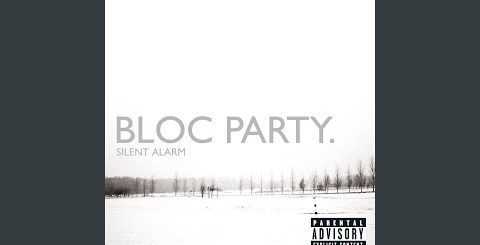
In the labyrinth of contemporary music, ‘This Modern Love’ by Bloc Party emerges as a poignant chronicle of romantic entanglements in the 21st century. The track, a standout on the band’s 2005 debut album ‘Silent Alarm’, encapsulates the complexities and nuances of love in an era where digital connections often supersede the physical.
With its mesmerizing guitar riffs and Kele Okereke’s earnest vocal delivery, the song delves into themes of isolation, longing, and the ephemeral nature of modern relationships. It’s a composition that impeccably captures the zeitgeist of young love amidst the chaos of technological advancements and constant change.
Navigating the Emotional Wilderness: Lost in the ‘Forest’ of Feelings
The repeated metaphor of being ‘lost in the forest’ serves as a powerful imagery illustrating the confusion and helplessness one often feels in matters of the heart. The forest is dense with emotions, and to be ‘cut adrift’ is to be severed from the comfort of clarity and understanding. As the song’s protagonist seeks connection, the ‘book’ symbolizes attempts of bridging the gap, yet even such efforts feel insufficient.
This metaphor speaks to the darker side of love – the times when feelings are as elusive as a clear path through dense woods, and when even well-intentioned gestures fail to anchor us. It’s both a confession of emotional vulnerability and a stark portrayal of the isolating effects of miscommunication within a relationship.
Absentminded in Affection: The Struggle to Stay Engaged
The admission of being ‘absentminded’ reflects the common conundrum of maintaining a committed presence within a relationship while grappling with personal insecurities and distractions. The song’s speaker requests patience and understanding, acknowledging their own imperfections in the romantic dynamic.
This struggle is emblematic of modern relationships, where distractions are abundant and focusing on the person right in front of us can sometimes be the hardest task. It’s a celebration of those who stick around, tell us ‘facts’, make us smile, and demand more from us – pushing us towards being better partners.
The Economics of Love: ‘I’ll Pay for You, Anytime’
In a world where transactions define interactions, ‘I’ll pay for you, anytime’ resonates as a pledge of unconditional support. It’s a transaction of the heart, an offering that signifies the readiness to bear the emotional costs for the welfare of a loved one – without the expectation of reciprocity.
This line is not just romantic, but it’s a raw acknowledgment of the give-and-take that often characterizes our attempts at building and maintaining a connection. It’s an investment in another soul, the promise of availability and assistance whenever the need arises, regardless of personal expense.
Eating Up Sadness: A Modern Take on Consolation
The idea of wanting to ‘eat up my sadness’ juxtaposes the act of consuming despair with the intimate, almost cannibalistic, desire to absorb and alleviate one’s partner’s pain. It depicts a relationship where both partners are deeply attuned to each other’s emotional states, suggesting both an intense closeness and a hint of co-dependency.
It’s a line that resonates with anyone who’s ever wished to take their lover’s pain upon themselves, to make it disappear as easily as one might swallow. This visceral approach to empathy and comfort underlines the lengths we go to shield those we love from their darkest emotions.
Modern Love’s Bittersweet Echo: The Hidden Truth
Ultimately, ‘This Modern Love’ reaches its crescendo with the haunting admission that ‘This modern love breaks me, this modern love wastes me.’ This poignant refrain acknowledges the dualistic nature of contemporary romantic experiences – the ability to elevate and devastate, to provide all-consuming passion, yet leave one feeling drained.
The song’s hidden meaning reveals itself as a commentary on the paradoxes of modern affection: It is as much about the love that uplifts and sustains as it is about the kind that undoes and disperses. It’s a recognition of the vulnerability that accompanies the quest for connection and the silent fear that, in all its beauty, love in the modern era has the power to disassemble as quickly as it was constructed.