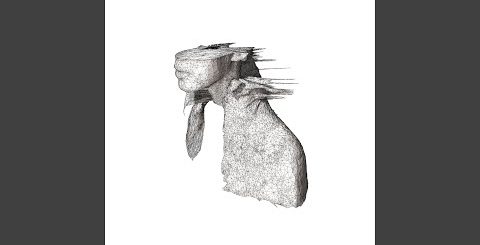
Cemeteries of London by Coldplay Lyrics Meaning – Unveiling the Enigmatic Quest for God in the Metropolis
Lyrics
The morning is for sleepin’
Through the dark streets, they go searchin’ to see God in their own way
Save the night time for your weepin’
Your weepin’
Singin’ la-la-la-la-la-la-lay
And the night over London lay
So we rode down to the river, where Victorian ghosts pray
For their curses to be broken
We go wandering ‘neath the arches, where the witches are and they say
There are ghost towns in the ocean
The ocean
Singin’ la-la-la-la-la-la-lay
And the night over London lay
God is in the houses and God is in my head
And all the cemeteries in London
I see God come in my garden, but I don’t know what he said
For my heart it wasn’t open
Not open
Singin’ la-la-la-la-la-la-lay
And the night over London lay
Singin’ la-la-la-la-la-la-lay
There’s no light over London today
Coldplay’s ‘Cemeteries of London’ is a stirring odyssey, a song that seems to traverse through the dusky lanes of a city seeking the divine. The track, a melding of haunting acoustics and poignant lyrics, offers a glimpse into a nocturnal pilgrimage, a search that displays a sparkle of the spiritual strewn about in an urban landscape.
While the song hails from the album ‘Viva la Vida or Death and All His Friends,’ it is more than a ghost story set to melody; it’s a layered tapestry, weaving through themes of life, death, and existential yearning. Breaking past its cryptic veneer, ‘Cemeteries of London’ is rich with narrative and metaphorical significance deserving of a deeper dive.
The Spiritual Odyssey in Urban Shadows
The song’s opening lines introduce listeners to wayfarers of the night, wandering until daylight forbids. It’s a canvas where the morning is reserved for slumber and the veil of darkness protects those who mourn. This juxtaposition beckons a question: Is the song a metaphor for finding comfort in the solitude of darkness where introspection reigns supreme?
These ‘dark streets’ are symbolic avenues, perhaps veins of the city life itself, through which the protagonists seek an apparition of God. Each nocturnal stride becomes a verse in their silent prayer, a note in the symphony of the unseen. The lyrics hint at an unresolved spiritual journey, one that embodies the contemporary struggle to find the sacred amidst the profane.
When Ghosts and Witches Speak
There’s a folklore-esque imagery at play when the song mentions the ‘toiling ghosts’ and the witches that ‘are in the saying.’ These ghosts, yearning for their curses to be broken, evoke a sense of folklore and myth deeply rooted within the frame of London’s history, blurring the lines between the dead and the living.
The mention of ‘ghost towns in the ocean’ perhaps indicates lost civilizations or buried histories, a metaphor for forgotten memories and bygone eras that lie beneath the facade of the present, submerged and silent yet profoundly impactful on the soul’s journey.
The God that Resides Within and Without
In a striking confession, the lyrics suggest that God inhabits both the houses and the recesses of the mind. Here, the Cemeteries of London aren’t merely a physical locale but a psychological landscape as well, one where certainty and skepticism cohabit.
The narrator sees the divine in the simplicity of nature (‘God come in my garden’) but admits to an unready heart—a metaphor for the barriers we erect against the spiritual incognizances we face, despite tangible evidence of its presence.
The Resonant Heartstrings of ‘La Lalalalala’
Melancholic yet soothing, the recurring chorus of ‘la lalalalala’ acts like a siren’s call that reverberates over London’s skyline. More than a melodic interlude, it speaks to the collective unconscious, a universal language that transcends words yet encapsulates the essence of the human search for meaning and connection.
Additionally, the repetition of this line seems to mirror the ongoing attempts to connect with something larger than oneself, an acknowledgment of an ever-present search for understanding within the chaos of urban life.
The Absence of Light and Hope
The concluding thought of ‘There’s no light over London today’ sobers the listener into reflection. It perhaps serves not only as an observation of the overcast British sky but also as a statement about the obscurity enveloping the city’s soul—a meditation on the spiritual drought and the perennial gloom that can haunt an era or a civilization.
Contrasting with the earlier hopeful excursions through the night, this final line may imply a momentary lapse into despair—an acceptance of the darkness both physical and existential, until the next night’s journey commences anew.