Young Lust by Pink Floyd Lyrics Meaning – Decoding the Call of Desire and Dislocation
Lyrics
Stranger in this town
Where are all the good times?
Who’s gonna show this stranger around?
Ooh, I need a dirty woman
Ooh, I need a dirty girl
Will some woman in this desert land
Make me feel like a real man?
Take this rock and roll refugee
Ooh, baby set me free
Ooh, I need a dirty woman
Ooh, I need a dirty girl
Ooh, I need a dirty woman
Ooh, I need a dirty girl
Hello?
Yes, a collect call for Mrs. Floyd from Mister Floyd
Will you accept the charges from United States?
Oh, he hung up, that’s your residence, right? I wonder why he hung up?
Is there supposed to be someone else there besides your wife there to answer?
Hello?
This is United States calling, are we reaching
See he keeps hanging up, and it’s a man answering
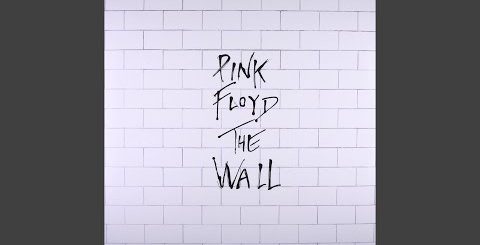
Amidst the sprawling tapestry of Pink Floyd’s monumental concept album ‘The Wall’, ‘Young Lust’ juts out with a raw, unbridled energy that both complements and juxtaposes the overarching narrative of isolation and despair. The song, crafted by the legendary hands of Roger Waters and David Gilmour, is often perceived as a straightforward rock number—a portrayal of carnal desire and the quintessential rock and roll lifestyle. However, the nuances in its lyrics and place within ‘The Wall’s story arc suggest a deeper, more poignant theme.
With its razor-sharp guitar riffs and an insistent, driving beat, ‘Young Lust’ is a musical embodiment of the urgent, unchecked yearnings of its protagonist, Pink. But underneath its seemingly lascivious chorus and visceral verses lies a critical reflection on the human need for connection, the alienation of modern life, and the deep-seated emotional escapism that music, sex, and transitory pleasures can provide.
A Desperate Plea in a Foreign Land
The song opens with the voice of an outsider, an eternal nomad in the body of a rock star. ‘I am just a new boy, Stranger in this town,’ declares the protagonist, echoing sentiments of displacement and anonymity in a world that has grown increasingly dispassionate. Here, Pink Floyd touches on the universality of feeling lost in the maze of society, a theme that resonates with anyone who has ever felt like an outsider.
It is this seductive blend of rock bravado and soul-bearing vulnerability that creates a relatable, if uneasy, connection to the listener. Suddenly, seeking a ‘dirty woman’ is no longer just about physicality—it is about the desperate attempt to feel, to find an anchor in the chaos of stardom and personal upheaval that comes with it.
The Raw Edge of Rock and Roll Refugee
‘Take this rock and roll refugee.’ In this powerful line, ‘Young Lust’ crafts an image of the artist as both a victim and a vagrant saved by the very essence of rock culture. The lyrics tap into the consciousness of a generation rebelling against conventions, yet paradoxically, seeking refuge in the throes of a hedonistic lifestyle, often manifesting as a yearning for sexual conquest.
This narrative is a subtle nod to the way the music industry can both liberate and ensnare its artists, a cautionary tale weaved effortlessly into the hedonistic anthem. As the song progresses, the raw energy of desire becomes a metaphor for the deeper need to be understood, to be held, and, ultimately, to be free.
Deciphering the Dial Tone of Obsession
In the bridge of ‘Young Lust,’ a telephone call, seemingly mundane, introduces a perplexing layer of storytelling. Waters, the master of concept, employs this to convey Pink’s disconnection from reality. The unanswered calls, the hang-ups, and the confusion on the line are not just emblematic of his struggles with interpersonal relationships but are also indicative of the times—pre-digital days where voices across wires held powers of connection and disconnection.
The call, though short and fragmented, becomes an aural representation of the wall Pink is building around himself. Each ring is a brick in his fortress of solitude, and the lack of meaningful communication points to a world where presence is there, but true connection is out of reach—ironic for a man whose only declared want is for a ‘dirty girl.’
Memorable Lines: The Siren Calls of ‘Ooh, I Need’
The song’s appeal doesn’t just hinge on its instrumental prowess, but also on its memorable lines—’Ooh, I need a dirty woman, Ooh, I need a dirty girl.’ Those simple, provocative phrases are hammered home with a robust fervor that simmers with the vitality of youth and lust itself. Yet, ‘Young Lust’ never allows the listener to forget that this is not just a craving for the flesh, but also a caricature of craving itself.
Floyd’s mastery lies in turning what could have been dismissed as an objectifying refrain into an anthem for the misunderstood, an outcry for a connection. This motif becomes a recurrent chant that echoes not only through the song but also through the chambers of the listener’s own longings.
The Hidden Meaning Behind the Strum of Guitars
Beneath its surface of sex, ‘Young Lust’ holds a mirror to the inner tumult of its lead character. Pink, who has been scarred by loss, war, and abandonment, is not merely seeking erotic solace but is, in fact, lusting after the unattainable—a semblance of normality, a life unfettered by the trappings of fame and his past traumas.
The song transcends the simplistic interpretation of youthful desire and instead becomes a profound exploration of human behavior—how we all sometimes mask our deepest needs with the carnal and the corporeal. Pink Floyd interpolates this existential narrative into a seemingly straightforward rock tune, leaving an indelible impression that ‘Young Lust’ is anything but young and far more complex than mere lust.