Dissolved Girl by Massive Attack Lyrics Meaning – Unraveling the Labyrinth of Love and Desolation
Lyrics
I think I kind of lost myself again
Day, yesterday
Really should be leaving but I stay
Say, say my name
I need a little love to ease the pain
I need a little love to ease the pain
It’s easy to remember when it came
‘Cause it feels like I’ve been
I’ve been here before
You are not my savior
But I still don’t go
Feels like something
That I’ve done before
I could fake it
But I still want more
Fade, made the fade
Passion’s overrated anyway
Say, say my name
I need a little love to ease the pain
I need a little love to ease the pain
It’s easy to remember when it came
‘Cause it feels like I’ve been
I’ve been here before
You are not my savior
But I still don’t go, oh
I feel like something
That I’ve done before
I could fake it
But I still want more, oh
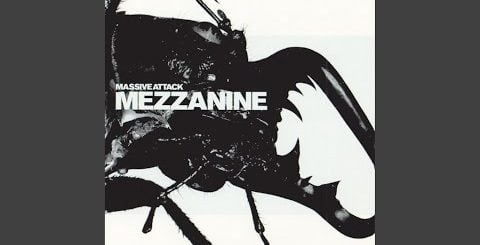
The late ’90s heralded an era where the moody, textural soundscapes created by bands like Massive Attack became conduits for deep introspection. ‘Dissolved Girl’ off of their seminal 1998 album ‘Mezzanine’, stands as a towering testament to their legacy. On the surface, a hypnotic blend of trip-hop beats and melancholic melodies, the song’s depths are plundered only when one pays homage to its lyrical complexity.
This track serves not just as auditory therapy but as a poetic confession booth, where every line is laced with the raw silk of vulnerability and existential dread. To detach ‘Dissolved Girl’ from its enigmatic lyrical content is to listen in monochrome; the hues of its meaning only flourish under the scrutiny of a thoughtful analysis.
The Echo Chamber of Self-Discovery
The notion of losing oneself remains a centerpiece in the emotional puzzle of ‘Dissolved Girl.’ Such a self-confessional begins the track, hinting at a cyclical pattern of self-doubt and identity crises. It’s apparent that the protagonist—the ‘dissolved girl’—is entrenched in a struggle with her self-image, exemplified by her inability to leave, even when the rational choice would be to move forward.
The lyrics illustrate the all-consuming nature of introspection and how it can leave one feeling stagnant, ‘yesterday’ signifying not only the day before but a sense of being trapped in the past. This introspection, although necessary for growth, often has us oscillating between the comfort of known woes and the daunting task of forging ahead.
A Plea for the Panacea of Love
Amidst the internal battle and gloom, there is a reaching out—an utterance for ‘a little love to ease the pain.’ It’s as much a call for external validation as it is a hope for internal solace. The refrain becomes a mantra, implying that despite the repetition of mistakes, the character clings to the idea that love, or at least the illusion of it, can be soothing.
Yet, there lies an infectious irony between the lines, questioning the genuineness of this solace. More than a search for romantic deliverance, the lyrics suggest a person yearning for something existential, a salve for the deeper cuts of the human experience.
The Hidden Meaning Behind the Savior Complex
Key to unraveling ‘Dissolved Girl’ is understanding the opposition expressed in ‘You are not my savior, but I still don’t go.’ This assertion introduces the concept of reluctant independence. Acknowledging the absence of salvation from others, the lyric simultaneously conveys a hesitation to fully detach from the possibility of rescue, underscoring a tension between dependence and autonomy.
By asserting that her counterpart isn’t a savior, the protagonist embraces the bitter truth of self-reliance. However, her lingering contradicts this rationale, illuminating the human contradiction of cognitively desiring freedom while emotionally yearning for salvation.
An Ode to the Masquerade of Passion
The phrase ‘Fade, made to fade’ alludes to the transient nature of ardor and the facade often performed in its pursuit. The critique of passion being ‘overrated’ hints at a person who has weathered romantic falsehoods and emerged more guarded but still susceptible to the charms of pretense.
As the song delves further into this disillusionment, it touches upon the duplicity of human behavior—our propensity to feign emotions to fulfill unspoken needs, and how despite disillusionment, there’s an innate desire for more experiences, true or not.
The Resonance of Memorable Lines
The enduring power of ‘Dissolved Girl’ lies significantly in its most memorable lines: ‘I could fake it, but I still want more.’ This stark admission of pretending to feel states one often does not, unveils a universal yet typically unuttered truth about the human condition. To want more is to exist in a state of perpetual longing—a nuanced form of hope inscribed within the very fabric of the song’s DNA.
Those lines resonate as the core of ‘Dissolved Girl’, bringing forth a character who is deeply aware of her own flaws and the inauthenticity surrounding her, yet finds herself unable to resist the allure of deeply felt—even if not utterly real—experiences.