Ella Baila Sola by Eslabon Armado Lyrics Meaning – Decoding the Dance of Desire
Lyrics
La que anda bailando sola me gusta pa’ mí
Bella, ella sabe que está buena
Que todos andan mirándola cómo baila
Me acerco y le tiro todo un verbo
Tomamos tragos sin peros, solo tentación
Le dije
“Voy a conquistar tu familia, que en unos días vas a ser mía”
Me dijo
Que estoy muy loco pero le gusta
Que ningún vato como yo actúa
Y ahí te va, mija
Y pura doble P, viejo
Así nomas, compa Pedro
Puro Eslabón Armado
Pa’ las plebitas
¡Cha-chau!
No soy un vato que tiene varo
Pero hablando del corazón, te cumplo todo
Me agarró pegadito de su mano
Mi compa ni se la creyó, que al pasar fui yo
Su cuerpo
Juro por Dios que era tan perfecto
Su cinturita como modelo
Sus ojos
Desde el principio me enamoraron
A ella le gusto y a mí me gusta
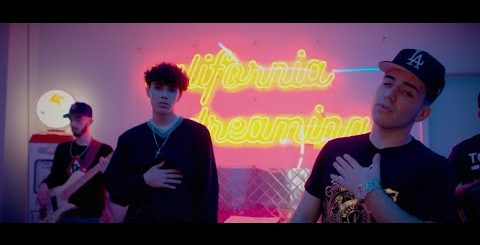
The night is young, the rhythm intoxicating, and amid the sea of swaying bodies, there she is—Ella Baila Sola (She Dances Alone). Eslabon Armado, the young trio known for their modern take on regional Mexican music, presents a narrative both timeless and universal, wrapped in the distinct strings of their corridos tumbados. It’s a moment captured in melody, a snapshot of longing, aspiration, and the magnetic pull of a solitary dancer.
But beneath the serenading guitars, and beyond the straightforward lyrics, ‘Ella Baila Sola’ is a complex tapestry woven with threads of youthful ambition, charged flirtation, and socio-cultural undercurrents. This song is not just for the foot-tapping, it’s for the soul-searching, as Eslabon Armado continues their trajectory of adding depth to the infectious grooves of Mexican regional music.
Unfurling the Poetry of Courtship
In the song, our narrator is captivated by a woman who dances with unabashed assurance. Her solitude on the dance floor is emblematic of her independence, and this autonomy is exactly what draws the observer in. His approach is fraught with the classic boldness of youthful bravado, and with it, he pledges to win not just her heart, but her family’s approval.
The suitor’s assurance that he has much to offer—beyond material wealth speaks to a deeper currency of the heart. Eslabon Armado showcases the everyday romantic who might not possess riches but promises emotional richness. It’s a heartening reminder that love, in its essence, is not transactional but transformative.
Dancing to Her Own Tune: Empowerment in Solitude
Ella Baila Sola is no damsel in distress; she’s the architect of her own narrative. Eslabon Armado’s portrayal is commendable—a refreshing departure from the damsel-in-distress archetype often found in romantic ballads. She dances alone, not out of melancholy or rejection, but because she chooses to. This act of self-assured independence is a potent metaphor for personal empowerment.
In a genre where machismo has long played a central role, Eslabon Armado subtly challenges the status quo. It is a narrative that resonates with the evolving ethos of contemporary music lovers who value autonomy and self-expression in relationships.
Rosy Visions of Familial Bonds
The commitment to familial conquest is a theme that rings warmly familiar in Latin cultures. The protagonist’s vow to win over the family is not just about romance, it’s about integration into a close-knit cultural fabric. ‘Ella Baila Sola’ is as much about the union of hearts as it is about the harmonious blending of families.
Eslabon Armado doesn’t just touch on love; they dig into what makes a relationship enduring—the social web that fortifies bonds. Familial acceptance is a triumphant theme reflecting traditional values that still resonate loudly within contemporary Latinx narratives.
Revelation of the Hidden Layer: The Unspoken Dance
At the heart of ‘Ella Baila Sola’ lies a profound commentary on vulnerability. There’s a push-pull dynamic that isn’t overtly mentioned but felt—between the protagonist’s public bravado and private yearning. The song captures the nuances of this dance, the exchange of glances, the tentative steps towards intimacy, and the silent hoping.
Eslabon Armado invites us to listen closer, to find in this tune a universal dance of human connection. It’s an invitation to delve into our own experiences, the times we’ve stood at the edge of the dance floor, contemplating a step forward into the unknown.
Memorable Lines that Echo a Shared Experience
The lyrics unfold a play-by-play that many have lived: ‘Me acerco y le tiro todo un verbo / Tomamos tragos sin peros, solo tentación’ delineates the age-old dance of flirtation. The bold confession of intent, the indulgence in liquid courage, and the allure of temptation—Eslabon Armado captures these shared experiences in quotable lines.
Yet, the real power dwells in the quieter admission, ‘No soy un vato que tiene varo’, highlighting a humility that grounds the song’s narrative. This semblance of vulnerability is universal and emblematic of the common man’s romance. Such lines resonate beyond the melody, lingering in the thoughts of listeners who find their own tales reflected in the song.