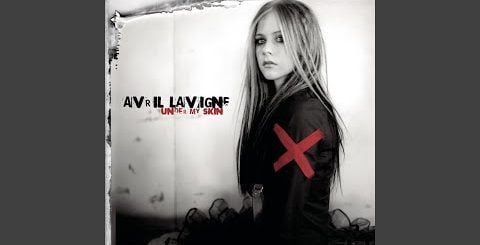
Don’t Tell Me by Avril Lavigne Lyrics Meaning – Unraveling the Empowerment Anthem of a Generation
Lyrics
While you gave me that kiss you were something like this
It made me go, oh, oh
You wiped my tears got rid of all my fears
Why did you have to go?
Guess it wasn’t enough to take up some of my love
Guys are so hard to trust
Did I not tell you that I’m not like that
Girl, the one who gives it all away, yeah?
Did you think that I was gonna give it up to you this time?
Did you think that it was somethin’ I was gonna do and cry?
Don’t try to tell me what to do
Don’t try to tell me what to say
You’re better off that way
Don’t think that your charm
And the fact that your arm is now around my neck
Will get you in my pants, I’ll have to kick your ass
And make you never forget
I’m gonna ask you to stop thought I liked you a lot
But I’m really upset (really upset)
Get outta my head, get off of my bed
Yeah, that’s what I said
Did I not tell you that I’m not like that
Girl, the one who throws it all away?
Did you think that I was gonna give it up to you this time?
Did you think that it was somethin’ I was gonna do and cry?
Don’t try to tell me what to do
Don’t try to tell me what to say
You’re better off that way
This guilt trip that you put me on won’t mess me up
I’ve done no wrong
Any thoughts of you and me have gone away
Did you think that I was gonna give it up to you this time?
Did you think that it was somethin’ I was gonna do and cry?
Don’t try to tell me what to do
Don’t try to tell me what to say
You’re better off that way, yeah (better off that way)
I’m better off alone anyway
When Avril Lavigne unleashed ‘Don’t Tell Me’ onto the airwaves, she delivered more than just a catchy pop-punk tune; she handed down an anthem of defiance, self-respect, and personal autonomy. The song, with its razor-sharp lyrics and Lavigne’s signature snarly delivery, became an instant hit, resonating with fans who found their own stories mirrored in its verses.
Peeling back the layers of ‘Don’t Tell Me,’ listeners encounter a rich tapestry of meaning. From assertions of independence to the dismissal of unsolicited expectations, Lavigne’s hit single is a masterclass in setting boundaries. It’s a narrative of a woman taking control, refusing to succumb to societal pressures, and the all-too-familiar trope of compromising oneself for the sake of others.
The Assertion of Boundaries in a Boundaryless World
Diving into the heart of ‘Don’t Tell Me,’ one is confronted with a powerful declaration of self-imposed limits. The protagonist of the song, voiced by Lavigne, makes it abundantly clear that her affections cannot be taken for granted, nor can they be bartered for. This is a vivid retort to the often-unspoken rule that emotional intimacy must lead to physical surrender.
The song starkly juxtaposes moments of vulnerability—like accepting comfort during tears—with the staunch resolve not to let such intimacy be a segue to unwanted advances. The blend of sensitivity with steely independence reflects the multidimensional nature of modern relationships and the nuanced conversations around consent.
The Hidden Meaning Behind Lavigne’s Defiant Chords
Beneath the surface of its powerful chorus and aggressive chords, ‘Don’t Tell Me’ harbors a deeper resonance. It isn’t just a song about a singular, personal experience; it’s a cultural statement about the changing dynamics of gender relations. Released in a time when empowerment and personal agency were becoming more mainstream in media, Lavigne’s song embodies the spirit of a generation challenging the status quo.
The narrative of a woman expressing her discontent and yet standing her ground was a bold move. It served as both a reflection and a catalyst for a society moving toward greater awareness of autonomy and respect. Lavigne’s unfettered expression in ‘Don’t Tell Me’ becomes a beacon for listeners seeking to reaffirm their own strength and resolve.
The Resonating Chorus That Became a Battle Cry
The chorus of ‘Don’t Tell Me’ thunders with simplicity and power. The repetition of ‘Did you think that I was gonna give it up to you this time?’ acts as a rallying cry for anyone who has felt pressured by the relentless expectations of others. Lavigne’s rhetorical questioning is not seeking an answer, but rather affirming a bold statement of intent; her dignity is not up for negotiation.
Lines like ‘Don’t try to tell me what to do, Don’t try to tell me what to say, You’re better off that way’ resonate with a universality that extends beyond the romantic narrative of the song. It speaks to a broader yearning for self-determination in a world that often tries to script personal narratives.
Memorable Lines That Unleash the Power of Refusal
In ‘Don’t Tell Me’, Lavigne crafts lines that are imbued with the spirit of rejection for unwelcome advances. ‘Will get you in my pants, I’ll have to kick your ass, And make you never forget’ is not just a refusal, it’s a warning shot. It’s a clear-cut articulation that the subject is not a passive object but an agent capable of assertive action.
Such memorable phrases strike at the heart of objectification, turning the tables on expectations and preemptively nullifying attempts at diminishing her autonomy. Each line pulses with the energy of someone who has taken full possession of their voice and their right to dictate the trajectory of their experiences.
An Anthem of Growth: From Vulnerability to Victory
At its core, ‘Don’t Tell Me’ is more than just a song of defiance; it’s an anthem of growth. It charts the journey from a place of vulnerability and potential exploitation to a vantage point of victory over one’s circumstances. The line ‘I’m better off alone anyway’ is not a lament but a realization of the strength found in solitude and the value of self-preservation over toxic companionship.
The distinct journey laid out by Lavigne through the lines of ‘Don’t Tell Me’ paints a portrait of growth that many can find relatable. It’s a message that resonates deeply with those who have fought to emerge from the shadows of others’ expectations to find their light. In Lavigne’s declaration of independence, countless listeners find their echo.