Time for Heroes by The Libertines Lyrics Meaning – Unraveling the Anthem of Reckless Youth
Lyrics
Shoveled up like muck and set the night on fire
Wombles bleed, truncheons and shields
You know I cherish you, my love
But there’s a rumour spread nasty disease around town
You caught round the houses with your trousers down
A head rush in the bush
You know I cherish you, my love
Oh, how I cherish you, my love
Tell me what can you want now you’ve got it all
The whole scene is obscene
Time will strip it away
A year and a day
And Bill Bones
Bill Bones knows what I mean
He knows it’s eating, it’s chewing me up
It’s not right for young lungs to be coughing up blood
And it’s all
It’s all in my hands
And it’s all up the walls
Well the stale chips are up and the hope stakes are down
It’s all these ignorant faces that bring this town down
And I sighed and sunken with pride
Well, I passed myself down on my knees
Yes, I passed myself down on my knees
Now tell me what can you want now you’ve got it all
The whole scene is obscene
Time will strip it away
A year and a day
And Bill Bones
Bill Bones knows what I mean
He knows there’s fewer more distressing sights than that
Of an Englishman in a baseball cap
And we’ll die in the class we were born
But that’s a class of our own, my love
A class of our own, my love
Did you see the stylish kids in the riot?
Shoveled up like muck
Set the night on fire
Wombles bleed, truncheons and shields
You know I cherish you, my love
Yeah, I cherish you, my love
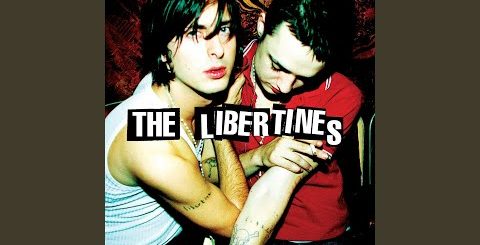
The Libertines’ ‘Time for Heroes’ is not merely a song but an electric manifesto of the disaffected youth. From its raw chords to the passionate, rough-edged vocals, the track captures the essence of a generation caught between abandon and disillusionment. The band, with their untamed demeanor, became the mouthpiece of the British underbelly in the early 2000s, and this song is a testament to the Libertines’ uncanny ability to chronicle the zeitgeist.
Beyond its gritty surface, ‘Time for Heroes’ harbors a layered meaning—tracing themes of rebellion, societal critique, and the bittersweet taste of youth. The track unfolds as a narrative, peppered with cultural references and personal introspection. Decoding it is akin to peeling an onion; beneath each line, a new subtext emerges, reminding us of the enduring power of music to both reflect and shape the collective consciousness.
The Riot as a Microcosm
The opening lines throw listeners into the chaotic heart of a riot, where the ‘stylish kids’ are more than simple troublemakers—they embody a relentless pursuit of identity in an era where societal norms are a straitjacket. Through the rush of adrenaline and the flames of rebellion, The Libertines capture an almost romantic idealism, seeing beauty in the chaos.
‘Set the night on fire’ isn’t just a literal portrayal of civil discord; it’s a metaphor for igniting change and disrupting the status quo, a desperate call for transformation at a time when the established order leaves little room for the dreams of the youth.
A Nostalgic Eulogy for Lost Innocence
While the song romanticizes the energy of rebellion, it also mourns the inevitable loss of innocence that comes with such upheaval. ‘Time will strip it away, a year and a day,’ sings frontman Pete Doherty, suggesting the fleeting nature of youth and the harsh hand of time that erases the vibrancy of these experiences, leaving behind only echoes.
This bittersweet acknowledgment that nothing, especially not the rush of youthful defiance, lasts forever, is what infuses ‘Time for Heroes’ with its poignancy—a reminder that the very essence of youth is its transience.
Diving Into the Life of Bill Bones
The character Bill Bones serves as a cipher for world-weariness, the disillusionment with the ‘obscene scene.’ In referencing Bill Bones, The Libertines tap into a vein of exhaustion with the consumerist cycle that propagates a desire for things that ultimately consume us, echoing the band’s own battles with fame and addiction.
‘It’s chewing me up,’ Doherty confesses, revealing the song’s internal struggle and hinting at the dichotomy of the public’s romanticization of rockstar lifestyles against the harsh realities of those living it. It’s a crucial insight that gives depth to the seemingly relentless surface image of rebellion.
The Hidden Meanings in the Mundane
‘An Englishman in a baseball cap’ might appear as a throwaway line, but it’s emblematic of The Libertines’ knack for finding cultural commentary in the mundane. This particular phrase distills a narrative of cultural erosion, the loss of traditional English identity in the tide of globalization, and a homogenized pop culture.
Even in their most irreverent moments, The Libertines are deft poets of the modern era, speaking in lyrics that critique the loss of uniqueness and authenticity. By setting their sights on these seemingly insignificant details, they urge listeners to seek out the hidden meanings beneath society’s surface.
Memorable Lines That Echo Beyond The Song
‘We’ll die in the class we were born, but that’s a class of our own, my love.’ With this line, The Libertines challenge the rigid class structure, presenting a romanticized view of unity and resilience among societal outcasts. This line resonates as a call for solidarity among those born into less advantageous circumstances, implying that perhaps a shared struggle can bring about a sense of belonging.
In its core, ‘Time for Heroes’ is a song that resonates with anyone who has ever felt the sting of socio-political confines or the desire to break free from them. Its memorable lines serve as an epitaph for the days of bold youth, but also as a beacon of inspiration for those who seek to leave a mark on the fabric of their time.