Spieluhr by Rammstein Lyrics Meaning – Unearthing the Surrealistic Depths of Mortality and Innocence
- Music Video
- Lyrics
-
Song Meaning
- Digging Through the Layers: Myth, Metaphor, and ‘Spieluhr’
- The Pulse of Immortality: Unwrapping ‘Spieluhr’s’ Hidden Meaning
- Crying Skies and No Angel’s Descent: The Song’s Most Memorable Lines
- A Melody in the Wind: Dissecting the Resonance of Life Through Death
- Resurrecting the Lost: The Song’s Climax and Enlightenment
Lyrics
Wollte ganz alleine sein
Das kleine Herz stand still für Stunden
So hat man es für tot befunden
Es wird verscharrt in nassem Sand
Mit einer Spieluhr in der Hand
Der erste Schnee das Grab bedeckt
Hat ganz sanft das Kind geweckt
In einer kalten Winternacht
Ist das kleine Herz erwacht
Als der Frost ins Kind geflogen
Hat es die Spieluhr aufgezogen
Eine Melodie im Wind
Und aus der Erde singt das Kind
Hoppe hoppe Reiter
Und kein Engel steigt herab
Mein Herz schlägt nicht mehr weiter
Nur der Regen weint am Grab
Hoppe hoppe Reiter
Eine Melodie im Wind
Mein Herz schlägt nicht mehr weiter
Und aus der Erde singt das Kind
Der kalte Mond in voller Pracht
Hört die Schreie in der Nacht
Und kein Engel steigt herab
Nur der Regen weint am Grab
Zwischen harten Eichendielen
Wird es mit der Spieluhr spielen
Eine Melodie im Wind
Und aus der Erde singt das Kind
Hoppe hoppe Reiter
Und kein Engel steigt herab
Mein Herz schlägt nicht mehr weiter
Nur der Regen weint am Grab
Hoppe hoppe Reiter
Eine Melodie im Wind
Mein Herz schlägt nicht mehr weiter
Und aus der Erde singt das Kind
Hoppe hoppe Reiter
Mein Herz schlägt nicht mehr weiter
Am Totensonntag hörten sie
Aus Gottes Acker diese Melodie
Da haben sie es ausgebettet
Das kleine Herz im Kind gerettet
Hoppe hoppe Reiter
Eine Melodie im Wind
Mein Herz schlägt nicht mehr weiter
Und auf der Erde singt das Kind
Hoppe hoppe Reiter
Und kein Engel steigt herab
Mein Herz schlägt nicht mehr weiter
Nur der Regen weint am Grab
Hoppe hoppe Reiter
Eine Melodie im Wind
Mein Herz schlägt nicht mehr weiter
Und auf der Erde singt das Kind
In the pantheon of Rammstein’s extensive musical oeuvre, ‘Spieluhr’ strikes a particularly poignant chord. Known for the industrial metal band’s piercing sonic landscapes and Till Lindemann’s brooding baritone, ‘Spieluhr’ ventures beyond the band’s customary pyrotechnic-laden ferocity to whisper a haunting tale entrenched between life and death.
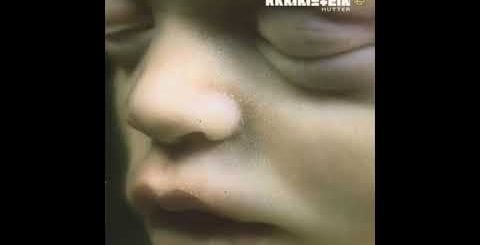
The track, nestled in the seminal album ‘Mutter’, mirrors the album’s tone, weaving themes of birth, existence, and the afterlife with dark Germanic fairytale elements. The chilling lullaby resonates long after the final note decays, inviting us to explore the metaphorical underpinnings of a child’s ostensibly moribund state, a resurrection of sorts, and the relentless passage of time.
Digging Through the Layers: Myth, Metaphor, and ‘Spieluhr’
On the surface, the lyrics of ‘Spieluhr’ narrate a harrowing tale of a small child who dies, buried with a music box in hand, only to reawaken beneath the earth. As an allegory rich with symbolism, the song’s narrative arc laces the innocent with the macabre, shifting the interpretation from a child’s chilly grave to a more profound commentary on existential solitude and awakening.
Analyzing the song’s structure and emotive instrumentation unravels a parallel journey, harmonizing the innate human experiences with the supernatural, forging an inescapable bond between the corporeal and the spiritual realms in Rammstein’s sinister lullaby.
The Pulse of Immortality: Unwrapping ‘Spieluhr’s’ Hidden Meaning
While the literal interpretation of ‘Spieluhr’ is unsettling enough, the latent content renders a deeper immersion into the philosophical. The song cleverly juxtaposes the imagery of a toy-like music box against the backdrop of eternal rest, suggesting the fragile boundary between childhood and the finality of death, simultaneously epitomizing the perpetuity of life through music.
This notion is intensified by the recurring resurrection in the song – a testament to the idea that the human spirit, or perhaps innocence, can transcend physical demise. ‘Spieluhr’ becomes an ode to the undying nature of the soul, and its power to rise above the silence of mortality.
Crying Skies and No Angel’s Descent: The Song’s Most Memorable Lines
The refrain, ‘Hoppe hoppe Reiter, und kein Engel steigt herab’, is a grim twist on a popular German nursery rhyme, here portraying an angel’s refusal to descend, grounding the song’s contemplation in hopelessness. Yet, this is counterbalanced by the imagery of ‘Nur der Regen weint am Grab,’ where rain crying over the grave implies a persistent connection with the heavens, indicating a celestial mourning for the child.
The duality of these lines conveys a heart-wrenching emotional complexity, positioning ‘Spieluhr’ as an anthemic representation of grief and remembrance, where the earthly and divine are locked in a perpetual emotional embrace, reflecting on loss and the potential for whatever comes thereafter.
A Melody in the Wind: Dissecting the Resonance of Life Through Death
The motif of the music box’s melody slicing through silence and soil calls attention to the reverberating consequence of our actions and legacies. Even in death, the child’s essence manifests through music, an art form synonymous with the transcendence of time and language, propagating the idea of an afterlife composed of melodies that narrate our untold stories.
Rammstein’s intention with ‘Spieluhr’ might not just be to convey a morbid fairytale, but to emphasize the unending echo of life – how we continue to wield influence, even from the grave, through the memories and legacies we leave behind.
Resurrecting the Lost: The Song’s Climax and Enlightenment
The song reaches its crescendo as the townspeople unearth the child upon hearing the music box on All Souls’ Day—a poignant moment of collective awakening and the power of community. Acting as a metaphor for redemption and second chances, this segment of ‘Spieluhr’ reinforces the overarching theme that life, much like the music box’s tune, persists in the face of apparent stillness.
It’s this final act of salvation, cinched by the child’s heartbeat reanimating with the earth’s song, that carves a lasting impression upon the listener. It’s a stark reminder that identification, love, and intervention can alter fate; that perhaps we are not as alone in our existential struggle as we might believe.