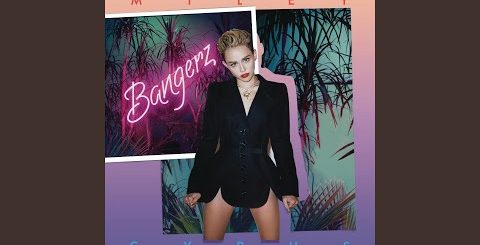
Gimme What I Want – Unleashing the Power of Self-Sufficiency and Liberation
Lyrics
Careful, you might hurt yourself
Pleasure leads to pain
To me they’re both the same
Sweat dripping down to the floor
Bite marks like an animal
You might be insane
But maybe we’re the same
Tonight, you came here
‘Cause you know what I need
And no one likes to be alone
I don’t need a future
I don’t need your past
I just need a lover
So gimme what I want or I’ll give it to my
Self-inflicted torture
You don’t have to ask
I just need a lover
So gimme what I want or I’ll give it to myself
I can tell that you’re new to this
Slow it down but you can’t resist
Feed your fantasy
Give yourself to me
Tonight, you came here
‘Cause you know what I need
And no one likes to be alone
I don’t need a future
I don’t need your past
I just need a lover
So gimme what I want or I’ll give it to my
Self-inflicted torture
You don’t have to ask
I just need a lover
So gimme what I want or I’ll give it to myself
Give it to me, babe
(Give it to me, babe)
Give it to me, babe
(Give it to me, babe)
Give it to me and nobody else, babe
Give it to me, babe
(Give it to me, babe)
Give it to me, babe
(Give it to me, babe)
Give it to me and nobody else, babe
Gimme what I want
Gimme what I want or I’ll give it to myself
Miley Cyrus, a chameleon of pop culture, has yet again morphed into a new avatar with her deeply personal yet universally relatable track ‘Gimme What I Want’. This song is not just a collection of lyrics; it’s an embodiment of a modern woman’s call for autonomy and satisfaction on her own terms.
Disentangling the layers of the song, we delve beyond the surface to unveil the intricate weave of self-sufficiency, power dynamics, and the visceral rush of control that ‘Gimme What I Want’ epitomizes. It’s an anthem that speaks to the soul’s yearning for fulfillment, with or without a partner.
A Darkly Seductive Dance With Autonomy
Midnight serves as the seductive backdrop to ‘Gimme What I Want’, where the interplay of darkness and light sets the scene for a tale of self-empowerment. Cyrus skillfully intertwines pain and pleasure, suggesting that they’re two sides of the same coin, an age-old theme fashioned anew through her visceral delivery.
Through lines like ‘I don’t need a future / I don’t need your past’ and ‘so gimme what I want or I’ll give it to myself’, Cyrus broadcasts a powerful declaration of independence. There’s the refusal to be chained by another person’s history or the constraints of the future, asserting her narrative in the imperious now.
The Song’s Hidden Meaning: Embracing Emotional Masochism
While it might seem that Miley is solely emphasizing physical need, a closer listen reveals that ‘Gimme What I Want’ is a testament to emotional masochism. It exposes a raw vulnerability, a willingness to endure the self-inflicted ‘torture’ of desire in exchange for a fleeting connection.
Cyrus does not shy away from conveying both strength and susceptibility, capturing the essence of human complexity. The song serves as a catharsis for anyone who has found themselves yearning for what may not be good for them, yet embracing that desire as an integral part of their being.
The Bite Marks of Passion and Pain
Empowering and laced with the primal, ‘bite marks like an animal’ is a line that resonates with the corporeal experience of passion. It evokes an imagery rooted in the wild, untamed nature of human desire, perhaps suggesting that to crave and to be craved is as intrinsic as the animal instincts that govern us.
The symbology of ‘bite marks’ also hints at leaving a mark, an impression that lasts, serving as a metaphor for the lasting effect of intense encounters, and the scars we bear from when pleasure and pain intermingle.
The Sultry Symphony of Self and Satisfaction
Miley Cyrus’s ‘Gimme What I Want’ isn’t just about the physical act of love or the assertion of one’s needs. It is about owning one’s desires and filling the void where needed, not out of desperation, but as a choice. When she asserts ‘I just need a lover / So gimme what I want or I’ll give it to myself’, the singer celebrates the self as the ultimate giver and receiver of pleasure.
In doing so, Cyrus breaks away from traditional narratives of seeking fulfillment from external sources. Instead, she glorifies the individual as a complete entity capable of self-gratification, both metaphorically and literally.
Alone but Unperturbed: The Resilience in Solitude
‘And no one likes to be alone’, Miley quips, acknowledging the universal human condition—our longing for companionship. Yet, this intuition does not undermine her stance. Instead, it enhances the narrative by contrasting the societal norm of partnership with the resilience found in solitude.
This line bridges the gap between dependency and independence, signaling that the comfort of being with someone is known, but the act of being alone, without it being a deficit or a plea, is a powerful choice. Cyrus embraces this duality, demonstrating that even in the depths of loneliness, there is a force of self-reliance to be reckoned with.