Luno by Bloc Party Lyrics Meaning – Unraveling the Emotional Tumult of Adolescence
Lyrics
And you’re tired of your Dad
Got you jumping through hoops
Got you shaving your legs
Let it pass, let it pass, let it pass over you
And you’re tired of your face
And you’re tired of your nose
Got you jumping through hoops
Got you shaving your legs
Let it pass, let it pass, let it pass through you
And your nose is bleeding
You’ve been lying to me
There will be no hesitation
There will be no confrontation
There will be no indication
There will be no cause
There will be no exultation
There will be no justification
There will be no way at all
And your nose is bleeding
You’ve been lying to me
Luno
Come back to me the the way you were
The way you were when we were young
I’m trying to tell you everything
I’m trying to tell you everything
I can heal the blind
I can cure the sick
I can say the right things
I can say the right things
Where d’you get so cruel
Where do you go
’cause you’re never here
And your nose is bleeding
You’ve been lying to me
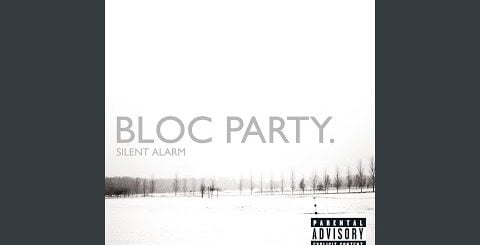
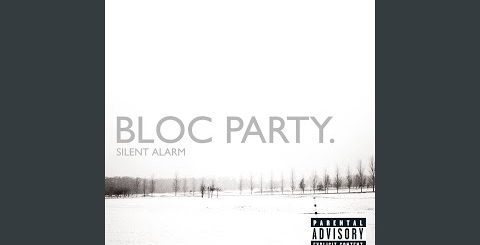
In the realm of alternative rock, Bloc Party stands as a poetic chronicle of the inner turmoil and societal pressures that mold the modern youth. The track ‘Luno’ from their debut album ‘Silent Alarm’ encapsulates this turbulent journey with masterful lyrical simplicity and unyielding vigor.
Exploring ‘Luno’ is akin to peering through the looking glass of an adolescent soul—a rite of passage defined by rebellion, raw emotion, and a quest for identity. We delve into the deep currents beneath the surface of the words, seeking the essence of the message that resonates with the listener long after the final chord fades.
Mirror to the Follies of Youth: The Song’s Opening Cry
The repeated refrain about being ‘tired’ of parental figures, accompanied by the relentless demand to conform through ‘jumping through hoops’ and ‘shaving your legs,’ reflects a universal adolescent sentiment. It’s the fatigue that comes from the expectations placed upon young shoulders—expectations often misaligned with the burgeoning desire for self-expression and autonomy.
Such fatigue is not only directed outwardly but turns inward as well, manifesting as a self-critical eye examining one’s ‘face’ and ‘nose.’ The mention of these features likely symbolizes the broader insecurities faced when confronting one’s identity, a struggle to accept oneself amidst the perfection-seeking society.
The Haunting Refrain and the Bleeding Nose: A Symbol of Betrayal
The visceral imagery of a ‘bleeding nose’ combined with the accusation, ‘You’ve been lying to me,’ strikes a chord of vulnerability and wounded trust. The physical manifestation of internal conflict, perhaps referencing the consequence of substance abuse often sought as an escape, paints a stark portrait of the pain caused by deceit—whether from others or self-inflicted through denial.
Unpacking this raw grievance, the song speaks to the sense of betrayal felt when grappling with the disparity between expectations and reality, the lies we tell ourselves or the lies that we have been fed by others, and the tragic beauty of realizing this discord.
The Alchemy of Words: Bloc Party’s Prescription for the Afflicted
In the affirmations ‘I can heal the blind / I can cure the sick,’ there’s a cryptic promise of salvation. It speaks to the inner voice that protests against the cynicism of the world, offering a defiant antidote to the soul’s blindness and sickness brought upon by disillusionment and despair.
The resolution to ‘say the right things’ emerges as a double-edged sword—a desire for guidance and a therapeutic balm, yet also a recognition of the futility and the performative aspect of appeasing expectations. It’s a declaration that one has the capability to navigate these treacherous waters, albeit with an undercurrent of sarcasm.
The Elegy for Lost Innocence in ‘Luno’ – A Hidden Message
Throughout the song, we are beckoned to revisit the memory of who we were ‘when we were young’—an invocation of nostalgia for a time presumably untainted by the complexities of growth. The plea for return, ‘Come back to me the way you were,’ is less about restoring what was lost and more an acknowledgement of growth’s irreversible march.
This remembrance is the hidden message of ‘Luno’—a chorus of longing not for the simplicity of youth, but for the simplicity of self before it was touched by the corrosive elements of society. These are lines etched with the melancholic understanding that innocence once paused becomes a mere echo of the past.
Resonant Verses: ‘Luno’s’ Most Memorable Lines
When dissecting ‘Luno,’ the phrase ‘Where d’you get so cruel / Where do you go’ echoes profoundly as it encapsulates the disillusionment with external judgments and the retreating nature of one’s inner sanctuary. It’s a potent lyrical query into the effects of being carved by societal expectations, questioning how one could grow so distant from their true self.
Additionally, the deceptive simplicity of ‘Let it pass, let it pass, let it pass over you’ serves as both comfort and counsel. It suggests the impermanence of these trials and acts as a mantra for surviving the maelstrom of adolescence—encouraging the listener to endure and allow the chaos to wash over without consuming.