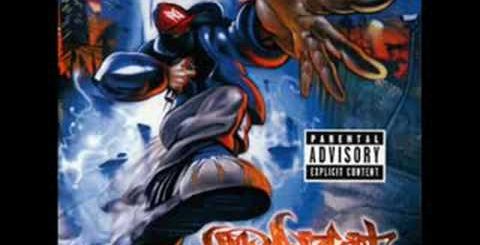
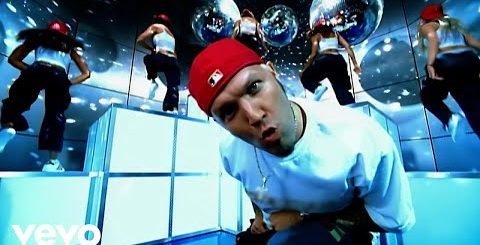
Faith by Limp Bizkit Lyrics Meaning – A Deeper Dive Into a Rap-Rock Reimagining
Lyrics
If I could touch your body
I know not everybody
Has got a body like me
But I gotta think twice
Before I give my heart away
And I know all the games you play
‘Cause I play them too
Oh, but I need some time off
From that emotion
Time to pick my heart up off the floor
When that love comes down
Without devotion
Well it takes a strong man, baby
But I’m showin’ you that door
I gotta have faith
Gotta have faith
Gotta have faith
Gotta have faith
Baby, I know you’re askin’ me to stay
Say please, please, please don’t go away
‘Cause you’re givin’ me the blues
Maybe you might mean all the words you say
Can’t help but think of yesterday
And another who tied me down to the lover boy rules
Before this river becomes an ocean
Before you pick my heart up off the floor
When our love comes down
Without devotion
Well, it takes a strong man, baby
But I’m showing you that door
I gotta have faith
Gotta have faith
Gotta have faith
Gotta have faith
Get the fuck up
I gotta have faith
I gotta have faith
I gotta have faith
I gotta have faith
Faith
Have faith
Ah
In a roaring blend of rapcore energy and the assertive attitude emblematic of late 90’s nu-metal, ‘Faith’ by Limp Bizkit stands as a testament to the era’s musical rebellion. The song, a cover of George Michael’s hit, metamorphoses an 80’s pop anthem into a heavy, aggressive outcry, making it an emblem of cultural reappropriation that still resonates with fans.
Yet beyond the crunch of guitars and Fred Durst’s raw vocals lies a narrative ripe with introspection, skepticism, and a gritty portrayal of romantic resilience. A deeper inquiry into the lyrics unveils a canvas where love, hesitation, and the demand for faith from a place of vulnerability converge, offering a complex glimpse into the human psyche.
A Nu-Metal Transformation: Limp Bizkit’s Edgy Take on a Classic
From the onset, what strikes a chord is the diametrically opposite direction Limp Bizkit takes from the original’s sleek pop sound. George Michael’s smooth and soulful delivery is replaced with the guttural, almost spoken-word aggression of Durst’s interpretation, which mirrors the defiance typical of Limp Bizkit’s discography.
The song’s instrumentation further distinguishes it, trading soft synthesizers for the crushing distortion of electric guitars and the rhythmic intensity of a potent drum line. In this frame, ‘Faith’ is not just covered but entirely recalibrated, transmuting the metamorphical DNA of the song into something that is as unrecognizable as it is compelling.
Guarded Vulnerability: The Emotional Core of ‘Faith’
The lyrics of ‘Faith’ explore the dichotomy of desire and caution. Durst navigates the treacherous waters of a past heartbreak, expressing a hesitancy to plunge into new romantic endeavors without certainty. This guardedness is emblematic of someone who’s been burned before, learning to negotiate the boundaries of their own withdrawal and the longing for genuine connection.
Each verse delves into the psyche of a person on the brink of yielding but who ultimately stands firm, demanding a kind of devotion that’s frequently sought but rarely secured. The repeated insistence on the necessity of faith underscores the importance of trust in any relationship, while simultaneously questioning its attainability in the candid turf of love and lust.
The Hidden Meaning: When Music Becomes a Cultural Artefact
Recontextualizing ‘Faith’ in the Limp Bizkit era reveals layers of reclamation and the assertion of a new identity over a musical piece. This bravado and boldness mirror the societal shifts of the 90s when youth culture was heavily marked by a challenge to conventional norms and the embrace of a more raw, unfiltered expression.
But beyond this, Fred Durst and his bandmates tap into a universal narrative of skeptical trust. It’s a song that speaks to the agonies of the everyman, to anyone who has rallied against the odds in the quest for love true enough to satisfy their need for security. In this, ‘Faith’ transcends its era to become a rallying cry for cautious lovers everywhere.
Memorable Lines: The Echoes of Reluctant Trust
Lines such as ‘Before I give my heart away / And I know all the games you play / ‘Cause I play them too’ resonate not just as lyrics but as spoken truths that many listeners recognize in their own lives. These words articulate the careful dance of emotional exposure and self-preservation that permeates the risky business of intimacy.
Other lines like ‘It takes a strong man, baby / But I’m showing you that door’ expose a moment of decision, where strength is redrawn not as enduring mistreatment but as the courage to walk away. In a society where endurance is often equated with resilience, Limp Bizkit flips the script, preaching the merits of assertive self-respect.
A Chorus That Resounds: The Tenacious Cry for Faith
The thrice-repeated chant of ‘I gotta have faith’ serves as a mantra, the core outburst spilling from the song’s emotional reserves. It’s a cry for something basic yet profound, a statement that cuts to the chase of the human condition. Not for lust, not for transient love, but for a foundation sturdy enough to persist. It’s a defiant, anthemic plea, embroidered with simplicity and delivered with a raw power that brands it into memory.
This simple phrase, ‘gotta have faith,’ echoed in Durst’s wakeful perseverance, suggests not a gentle suggestion but an essential demand. Through this enduring exhortation, ‘Faith’ crafts a monument out of a moment of emotional vulnerability, a monument that continues to stir the souls of those entangled in the eternal search for unshakeable trust.