Hope Leaves by Opeth Lyrics Meaning – Unraveling the Layers of Melancholy and Metaphor
- Music Video
- Lyrics
-
Song Meaning
- The Haunted Snapshots: A Glimpse into Nostalgia’s Grip
- The Path We Walk Alone: Understanding the Song’s Solitude
- Silence as a Sanctuary: The Dichotomy Between Comfort and Despair
- Peering Through Smoke: The Song’s Hidden Narrative of Self-Deception
- ‘The Darkness onto Me’: Memorable Lines and Their Lasting Impact
Lyrics
Beside my window
Hangs a lonely photograph
There is a reason
I never notice it
Memory that could hold me back
There is a wound that’s always bleeding
There is a road I’m always walking
And I know you’ll never return to this place
Gone through days
Without talking
There is a comfort in silence
So used to losing
All ambition
And struggling to maintain what’s left
There is a wound that’s always bleeding
There is a road I’m always walking
And I know you’ll never return to this place
Once undone
There’s only smoke
Burning in my eyes to blind
To cover up
What really happened
And force the darkness onto me
There is a wound that’s always bleeding
There is a road I’m always walking
And I know you’ll never return to this place
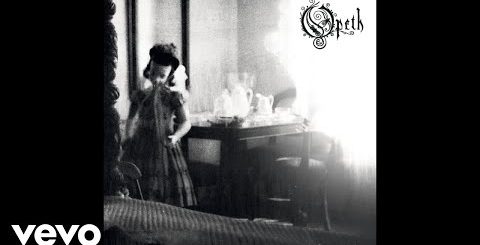
Swedish progressive metal band Opeth is renowned for their complex compositions and poignant lyrics, often weaving a tapestry of emotions with each song. ‘Hope Leaves’ is no different—embedded with rich metaphor and evocative imagery, it stands as a testament to the band’s mastery over musical storytelling. The track, hailing from their 2003 album ‘Damnation’, ventures away from Opeth’s heavier roots, favoring a melancholic and atmospheric acoustic approach.
The somber mood of ‘Hope Leaves’ belies the depth of its lyrical content, with lead vocalist and songwriter Mikael Åkerfeldt guiding listeners through a labyrinth of introspection and loss. As we decode the deceptively simple lyrics, each verse unfolds to reveal a narrative steeped in existential angst and the seeming inevitability of despair.
The Haunted Snapshots: A Glimpse into Nostalgia’s Grip
The opening lines paint a vivid picture of a lonely photograph, a silent sentinel of the past, casting its gaze upon the room. This image is powerful; it encapsulates the torment of being unable to escape from the memories that bind us. For the narrator, the photograph is more than just a captured moment—it is a reminder of a time before loss, a period that seems untouchable now. These objects, suspended in time, remind us that to ignore them is sometimes a necessary act to continue moving forward.
Åkerfeldt’s use of the phrase ‘Memory that could hold me back’ suggests an active struggle against the lingering tendrils of the past. It is a statement about the power of memory to stifle growth and keep us trapped in a state of lamentation, perpetually bleeding from wounds of the soul that refuse to heal.
The Path We Walk Alone: Understanding the Song’s Solitude
The repetitive mention of the ‘road I’m always walking’ is a metaphor for the individual’s journey through life, particularly through the phase marked by sorrow and isolation. It’s a path that one must traverse alone, acknowledging the stark reality that some absences are too profound to be filled. This road is the narrator’s pilgrimage—a path punctured by the false hope that those who’ve left might one day return.
The weight of this knowledge—that the departed will ‘never return to this place’—serves both as a knife that continues to wound and as a somber acceptance. It reflects the human condition of navigating the brevity of encounters and the chasms left in their wake.
Silence as a Sanctuary: The Dichotomy Between Comfort and Despair
In a stark revelation of the narrator’s state of being, ‘Gone through days without talking / There is a comfort in silence’ reveals how solitude has become a dual-edged sword. It represents the ceaseless internal struggle when human connection fails to provide solace. Solace can often be found in the absence of words, acknowledging the depths to which the narrator has retreated from the world.
Yet, this retreat is not without consequence. The protagonist’s abandonment of ‘All ambition’ and the battle to maintain what is left speaks to a surrender to the overwhelming forces of dejection and despondency. The comfort found in silence is a fleeting one—barely enough to stave off the inertia that grips the weary soul.
Peering Through Smoke: The Song’s Hidden Narrative of Self-Deception
As the layers continue to unravel, ‘Once undone / There’s only smoke’ hints at the aftermath of devastation. It refers to the coping mechanisms we adopt to obscure our damaged realities. This smoke acts as a deliberate blinding agent, shrouding the truth of what ‘really happened’ and allowing for a narrative rewritten in the dark.
This symbol of smoke serves as a metaphor for the self-deception we often take shelter in, preferring the haze of uncertainty to the glaring clarity of pain. It marks a critical moment of transformation where the individual chooses obscurity over the penetrating light of introspection.
‘The Darkness onto Me’: Memorable Lines and Their Lasting Impact
The song culminates in a chilling acceptance with ‘And force the darkness onto me.’ It’s a line that resonates long after the music fades, embedding itself into the listener’s consciousness. Here, Åkerfeldt artfully captures the resolve to shoulder the burden of grief, a testament to the stoicism that accompanies profound loss.
‘Hope Leaves’ does not provide resolution or comfort; it leaves much unsaid, dwelling on the fragments of a story that listeners themselves are challenged to complete. With poetic grace and the raw melancholy of its melody, Opeth urges us to reflect on our own roads traveled, the unhealed wounds we carry, and the smokescreen that distorts our own narratives. It’s a somber ballad that is as confessional as it is universal, a reminder of the potency hidden within the quiet decay of hope.