The Last by Agust D Lyrics Meaning – Unraveling the Raw Emotions Behind the Bars
Lyrics
나약한 자신이 서 있어 조금 위험해
우울증 강박 때때로 다시금 도져
hell no 어쩌면 그게 내 본 모습일 지도 몰라
damn huh 현실의 괴리감
이상과의 갈등 아프네 머리가
대인기피증이 생겨 버린 게 18살쯤
그래 그때쯤 내 정신은 점점 오염 돼
가끔씩 나도 내가 무서워 자기 혐오와
다시 놀러 와 버린 우울증 덕분에
이미 민윤기는 죽었어 (내가 죽였어)
죽은 열정과 남과 비교하는 게 나의 일상이 되 버린 지 오래
정신과를 처음 간 날 부모님이 올라와
같이 상담을 받았지 부모님 왈 날 잘 몰라
나 자신도 날 잘 몰라 그렇다면 누가 알까
친구? 아님 너? 그 누구도 날 잘 몰라
의사 선생님이 내게 물었어
주저 없이 나는 말했어 그런 적 있다고
버릇처럼 하는 말 uh i don’t give a shit i don’t give a fuck
그딴 말들 전부다 uh 나약한 날 숨기려 하는 말
지우고픈 그때 그래 기억 조차 나지 않는 어느 공연하는 날
사람들이 무서워 화장실에 숨어 버린 나를 마주 하던 나
그때 난 그때 난
성공이 다 보상할 줄 알았지
근데 말야 근데 말야
시간이 지날 수록 괴물이 되는 기분야
청춘과 맞바꾼 나의 성공이란 괴물은 더욱 큰 부를 원해
무기였던 욕심이 되려 날 집어 삼키고 망치며 때론 목줄을 거네
어떤 이들은 내 입을 틀어 막으며 선악과를 삼키라 해
i don’t want it 그들은 내가 이 동산에서 나가길 원하네
shit shit 알겠으니까 제발 그만해
이 모든 일들의 근원은 나니까 나 스스로 그만둘게
내 불행이 니들의 행복이라면 기꺼이 불행 해줄게
증오의 대상이 나라면 기요틴에 올라서 줄게
상상만 하던 것이 현실이 돼 어릴 적 꿈이 내 눈앞에
꼴랑 두 명 앞에 공연하던 좆밥 이젠 도쿄돔이 내 코앞에
한번 사는 인생 누구보다 화끈하게 대충 사는 건 아무나 해
my fan my hommie my fam 걱정 말길 나 이젠 정말 괜찮아 damn
내 본질을 부정했던 게 수 차례
내 주소는 아이돌 부정은 안 해
수 차례 정신을 파고들던 고뇌
방황의 끝 정답은 없었네
팔아먹었다고 생각 했던 자존심이 이젠 나의 자긍심 돼
내 fan들아 떳떳이 고개들길 누가 나만큼 해 uh
세이코에서 롤렉스 악스에서 체조
내 손짓 한번에 끄덕거리는 수 만 명들의 고개
show me the money 못 한게 아니라 안 한 거라고 shit
우릴 팔아먹던 너넨 안 한 게 아니라 못 한 거라고 shit
내 창작의 뿌리는 한 세상 단맛 쓴맛 똥맛까지 다 봤지
화장실 바닥에 잠을 청하던 그땐 이젠 내게 추억이네 uh 추억이 돼
배달 알바 중 났던 사고 덕분에 시발 박살이 났던 어깨
부여잡고 했던 데뷔 너네가 누구 앞에서 고생한 척들을 해
세이코에서 롤렉스 악스에서 체조
내 손짓 한번에 끄덕거리는 수 만 명들의 고개
한이 낳은 나 uh 똑똑히 나를 봐 uh
우릴 팔아먹던 너넨 안 한 게 아니라 못 한 거라고 shit
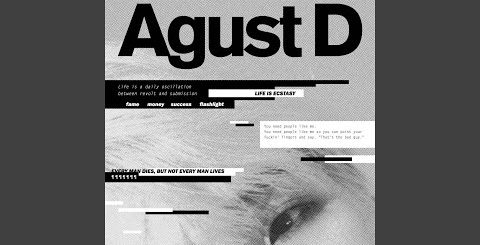
Agust D, also known as Min Yoongi and SUGA of the global sensation BTS, isn’t one to shy away from the darker corridors of his psyche in his music. In his song ‘The Last,’ he strips away the glossy exterior of stardom and delves into a brutally honest narration of his struggles with mental health, his identity, and the price of fame. The track, which is part of his eponymous mixtape ‘Agust D,’ serves as a stark reminder that beneath the veneer of a successful idol rapper lies a world of personal battles and moral dichotomies.
While at first glance, the song might come across as just another entry in the K-pop lexicon, ‘The Last’ is a piercing introspective piece that discloses the heavy cost of living in the spotlight. Through his visceral lyrics, Agust D offers a confessional that resonates with an audience far beyond his established fan base, shedding light on universal themes of ambition, vulnerability, and the quest for self-acceptance.
The Dichotomy of Stardom and the Self
The gentle opening lines of ‘The Last’ quickly give way to a relentless exposé of the idol’s two-faced existence. Agust D speaks of standing on the pinnacle of success yet confronting the frail version of himself lurking in its shadow. He reveals his battle with depression and obsessive-compulsive behavior, and the chilling admission, ‘hell no maybe that’s the real me,’ suggests a haunting uncertainty about his genuine identity.
This confession lays bare the often-glossed-over reality of idol life — the struggle to reconcile public perception with internal truth. Yoongi doesn’t simply broach the topic; he plumbs its depths, questioning the emotional cost of living a life curated for mass consumption. He wrestles with the cognitive dissonance bred by an industry that valorizes an image often at odds with the person it’s built upon.
Battle Scars: The Mental Health Odyssey
Agust D doesn’t just scratch the surface of his mental health tribulations; he dives headfirst into their darkest waters. He narrates his first experience with psychiatry and the alienation even from his parents who ‘do not really understand him.’ The striking openness with which he addresses the onset of social anxiety around 18 – a crucial age for many – is profound.
His lyrics diagram the psyche of someone caught in an ongoing war with self-loathing and recurring depression, a plight he poignantly personifies with ‘Min Yoongi has died (I killed him).’ Such intense self-reflection is a grim window into the constant internal battles one faces even amidst apparent success, articulating a story that so often remains untold.
The Veil of Vanity: Revealing Hidden Meanings
One of Agust D’s sharpest tools in ‘The Last’ is the use of dichotomous imagery to strip down the façades erected by fame. Verses like ‘The monster called success that I traded my youth for, grows bigger, wants more.’ poetically encapsulate the paradoxical nature of fame: the very success bought at great personal expense becomes a monstrous entity that demands unceasingly more.
Agust D captures the essence of how the once empowering ambition turns into a destructive force, a narrative that mirrors not just his life but also the universal human condition. What starts as a fight for a dream can mutate into a struggle with one’s creations—a theme as old as time, retold through the lens of a modern-day idol.
The Echoes of Empowerment: Stanza Standouts
The emotional rawness of ‘The Last’ reaches its zenith with lines that will undoubtedly etch themselves into the annals of lyricism. Phrases like ‘The pride I thought I sold out, now becomes my boast,’ and ‘I don’t give a shit, I don’t give a fuck,’ serve dual purposes. They are both a caustic rejection of outward judgment and an emblem of Yoongi’s reclaimed self-assurance.
Through such memorable lines, Yoongi doesn’t just chart his evolution from self-doubt to pride; he crafts anthems for all those clawing their way towards self-acceptance. The juxtaposition of his once-shameful moments with his current sense of pride illustrates a profound transformation, a path from shadow to self-esteem carved by his own resilience.
From Seiko to Rolex: The Metabolism of Fame
Finally, Agust D shares his triumphs with unfiltered vibrancy, asserting his place in the world through hard-earned success. The transition ‘from Seiko to Rolex, from AX Hall to gymnastics stadium’ not only denotes a journey of material gain but also the metaphorical distance traveled from obscurity to renown.
This isn’t mere bragging; it’s an acknowledgment of the milestones achieved despite the challenges. He taunts those who have tried to silence or discredit him with a powerful declaration of his creative roots and experiences, ranging ‘from the sweet to the bitter to the taste of shit.’ He owns his journey, validating his place at the table of cultural icons.