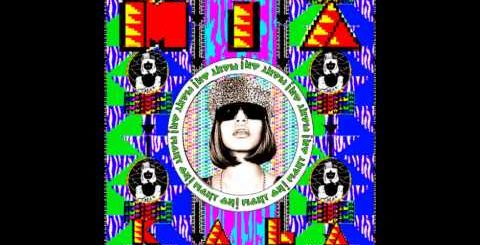
Jimmy by M.I.A. Lyrics Meaning – Unraveling the Layers of Sociopolitical Commentary
Lyrics
Come back Jimmy
When you go Rwanda Congo
Take me on a genocide tour
Take me on a truck to Darfur
Take me where you would go
Got static on ya satellite phone
Gotta get you safe at home
Gotta get you somewhere warm
So you get me all alone
Jimmy! (Adja)
Jimmy! (Adja)
Jimmy! (Adja)
Jimmy! (Adja)
Time and time and time and time again
You keep pushing that button but I don’t know what you’re sayin’
You hit me on AIM, tryin’ to flip me on some game
Are you coming, are you going, are you leaving, are you staying?
You tell me that you’re busy
Your lovin makes me crazy
I know that you hear me
Start actin like you want me!
You tell me that you’re busy
Your lovin makes me crazy
I know that you hear me
Start actin like you want me!
Time and time and time again
You keep pushing me, what are you sayin?
You hit me on AIM, tryin’ to flip me on some game
But I still don’t know what you’re sayin
You tell me that you’re busy
Your lovin makes me crazy
I know that you hear me
Start actin like you want me!
You tell me that you’re busy
Your lovin makes me crazy
I know that you hear me
Start actin like you want me!
Jimmy! (Adja)
Jimmy! (Adja)
Jimmy! (Adja)
Jimmy! (Adja)
Jimmy, I love you, hear me sing
M.I.A.’s ‘Jimmy,’ a standout track rife with the songstress’s signature eclecticism, continues to defy categorization within her discography. It radiates with the vibrant energy of a 70s disco track while evoking a sense of unease with its politically charged lyrics. Beyond the infectious beat, ‘Jimmy’ beckons a deep dive into its potent lyrical content.
Listeners are often left to navigate the complex interplay between the groove-centric disco influences and the song’s stark narrative elements. Addressing issues of global concern through the lens of a seemingly personal plea, ‘Jimmy’ crafts a unique soundscape of activism and emotion. The following exposé on this dynamic track aims to peel back its sonic layers, revealing the depth of message beneath.
Disco Meets Genocide — A Musical Anomaly
At first blush, the track might be mistaken for a retro dance number, but ‘Jimmy’ deftly weaves in themes of conflict and tragedy. When M.I.A. invites Jimmy on a ‘genocide tour,’ she’s not peddling an exotic itinerary but instead juxtaposing the carefree escapism of disco with the heaviest of subject matters—genocide in Rwanda and the crisis in Darfur.
M.I.A’s Sri Lankan Tamil heritage and her own experiences with civil strife lend authenticity to her voice when she navigates the uncomfortable adjacency of festivity and atrocity. It’s a challenge to the listener to consider the veneer of pop and the depth of reality. How can one ‘get down’ when others can’t even get to safety?
The Complexities of Communication in a Modern Age
‘You hit me on AIM, tryin’ to flip me on some game’ is not just a nod to vintage tech but a critique of modern communication’s superficiality. M.I.A. underlines how digital channels can dilute the gravity of interpersonal connections and, by extension, our grasp of global issues. The ease with which one can ‘hit’ someone up ironically stands in stark contrast to the complexity and depth of the problems addressed in the song.
The frustration voiced in the lyrics—‘I still don’t know what you’re sayin’’—echoes a global sentiment in an age of information overload. The artist points to the dissonance between the simplicity of online communication and the noise that drowns meaningful dialogue about societal issues.
A Cry for Authenticity in a World of Pretense
The lines ‘You tell me that you’re busy/Your lovin makes me crazy’ speak to a universal feeling of seeking genuine connection. Amid her nuanced take on geopolitical concerns is the raw yearning for truth and honesty from a counterpart. Whether Jimmy represents a lover, the Western world, or the complex relationship between the developed and developing countries, the artist’s demand for sincerity rings true.
‘I know that you hear me/Start actin like you want me!’ becomes a powerful call to action not only in a romantic sense but also in a broader societal context. M.I.A. drives the point home: being heard is not enough—responses and actions hold the key to change.
The Heartrending Hidden Meaning of ‘Jimmy’
What strikes most potently about ‘Jimmy’ is its seeming portrayal of a fractured, one-sided relationship, which in fact mirrors the skewed dynamics between global powers and war-torn regions. The ‘satellite phone’ reference alludes to the distant and detached manner in which wealthier nations often approach crises that demand direct intervention and empathy.
Evidently, ‘Jimmy’ is not just a person but an embodiment of political apathy. By personalizing the portrayal of often impersonal geopolitical events, M.I.A. invites listeners to feel the frustration, angst, and longing that underlie those affected by the inaction of powerful entities.
’Jimmy’ in Retrospect: Sonic Melancholy and Memorable Lines
‘Jimmy’ remains an audacious and poignant exploit in M.I.A’s musical repertoire. It tantalizes with memorable hooks and its danceable beat, yet the lines ‘Take me on a genocide tour’ will forever echo as a sobering reminder of the song’s deeper narrative. In the balmy midst of disco throwback, M.I.A. has woven an intricate tapestry of cultural discourse that refuses to let the listener forget.
The legacy of ‘Jimmy’ is encapsulated by the very tension it embodies—between celebration and sorrow, between dancing to the music and pausing to reflect on its meaning. It stands as a testament to M.I.A.’s prowess in fusing catchy tunes with meaningful lyrical content, and underscores the power of music as a vessel for societal commentary.