Eat You Alive by Limp Bizkit Lyrics Meaning – Decoding the Primal Hunger in Music
Lyrics
I’m drawn to you, something’s magnetic here
If I could approach you
Or even get close to the scent that you left behind
I’d be fine
No doubt that (no doubt)
You bring out (bring out)
The animal inside
I’d eat you alive
I’d eat you alive
I’d eat you alive
I’d eat you alive
Hey you mrs. too good to look my way and that’s cool
You don’t want nothing at all to do with me
But I want you, ain’t nothin’ wrong with, wanting you
‘Cause I’m a man and I can think what the hell I want
You got that straight?
No doubt that (no doubt)
I’d love to (I’d love)
Sniff on them panties now
I’d eat you alive
I’d eat you alive
I’d eat you alive
I’d eat you alive
I’m sorry, so sorry (damn you’re so hot)
You beauty is so vain (damn you’re so hot)
It drives me, yes, it drives me (damn you’re so hot)
Absolutely insane
I just wanna look at you
I just wanna look at you
I just wanna look at you, all day
There ain’t nothing wrong, no
There ain’t nothing wrong with that
Once you seep in (once you seep in)
Under my skin (under my skin)
There’s nothing (nothing), there’s nothing (nothing)
In this world that could wash you away (wash you away, wash you away)
Once you seep in (once you seep in) yeah
Under my skin (under my skin)
There’s nothing (nothing), there’s nothing (nothing)
In this world that could wash you away (wash you away)
I’m sorry, so sorry (damn you’re so hot)
You beauty is so vain (damn you’re so hot)
It drives me, yes, it drives me (damn you’re so hot)
Absolutely insane
I’d eat you alive
I’d eat you alive
I’d eat you alive
I’d eat you alive
I’d eat you alive
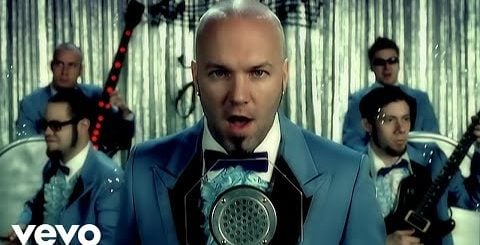
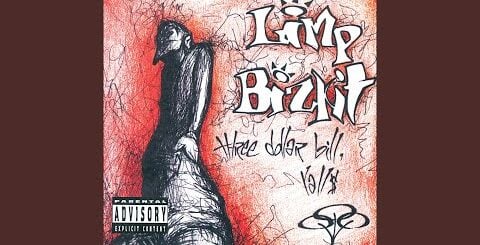
When Fred Durst’s gravel-throated voice claws through the guitar-laden soundscapes of ‘Eat You Alive’, there’s more to the carnal cries than meets the ear. Limp Bizkit’s 2003 hit from their album ‘Results May Vary’ taps into a raw vein of human emotion, channeling a potent blend of desire, frustration, and a touch of voyeurism through its jagged verses.
Delving deep into the lyricism, ‘Eat You Alive’ serves up a full dish of symbolic appetites, aggressive yearnings, and the age-old dance of attraction and rejection. This analysis isn’t just about interpreting words; it’s about excavating the guttural truths that lie buried beneath the band’s controversial discography.
A Visceral Ode to Unbridled Lust
Durst’s opening lines set the stage for a tableau painted with visceral imagery and intense magnetism. Here, the concept of lust is not just a gentle whisper of attraction, but a gravitational pull that is as unavoidable as it is potent. The scent left behind, a metaphor for the lingering thoughts and desires, becomes almost a character in its own right throughout the track.
The raw sexuality of the song’s chorus, ‘I’d eat you alive,’ couples the predatory with the erotic. It isn’t simply about the physical act; it’s also a primordial scream, an acknowledgment of the animalistic instincts that human beings carry deep within the recesses of their id. In this, Limp Bizkit captures a universal truth about the nature of human desire.
Tackling the Tension of Resistance and Acceptance
In the interplay between resistance (‘Mrs. too good to look my way’) and acceptance, the song narrates the narrative of unreciprocated intent. There’s a perceivable tension, a push and pull that reflects the confusing signals often found in the mating rituals of modern society. The listener is left to ponder who is really in control, and at what cost does that control come.
There’s an unspoken conversation about consent within the track. Durst’s character seems to bark against the walls of social convention and propriety (‘But I want you, ain’t nothin’ wrong with wanting you’), which blurs the lines between affirmation and aggression. Yet, how far does this affirmation extend before it transgresses the boundaries of respect?
Unpacking the Hidden Meanings – When Lyrics Go Deeper
Beyond the obvious physical connotations of ‘Eat You Alive’, there lies a layer rich in psychological complexity. The obsession described by Durst isn’t just physical; it engulfs the entirety of someone’s existence (‘Once you seep in under my skin’). What may seem like a song about lust is also a commentary on how someone can consume your thoughts completely, almost parasitically.
Furthermore, ‘Eat You Alive’ can be interpreted as a metaphor for self-destructive habits. The obsessive nature of the protagonist’s thoughts mirrors how one might grapple with addiction or negative patterns – aware of their toxicity yet unable to pull away. The song captures the essence of being overpowered by an emotion or dependency that devours from the inside out.
The Magnetism of Memorable Lines – Resonance with the Rejected
It’s the snarl in ‘I’d love to sniff on them panties now’ that leaves listeners recoiling and intrigued simultaneously. The blunt, unapologetic candour encapsulates a sentiment of yearning so strong that social etiquette is left at the wayside. Yet, behind the shock value, these words strike a chord with anyone who has ever felt the sting of rejection and the pangs of unrequited affection.
Lines like ‘You beauty is so vain, it drives me absolutely insane’ harness the dichotomy of admiration and resentment. There’s a deep-seated recognition of beauty’s power and the irrational responses it provokes. These lines echo through time, finding their place among hearts that have been both smitten and spurned.
The Cultural Ripples from Unleashing ‘Eat You Alive’
Upon its release, ‘Eat You Alive’ reverberated through the halls of nu-metal and beyond, becoming a lightning rod for criticism and praise alike. Some found the song distasteful; others, a raw expression of base human emotions rarely explored so bluntly in popular music. Regardless of stance, Limp Bizkit’s creation became a cultural touchstone, sparking conversations and controversy.
In many ways, the song is a relic of its time—a musical snapshot of the early 2000s when angsty anthems and aggressive posturing ruled the airwaves. Yet, its underlying themes have a timeless quality that allows it to resonate with new generations of listeners grappling with their own manifestations of desire and longing.