Fear of Sleep by The Strokes Lyrics Meaning – An In-Depth Dissection of Nighttime Anxieties
Lyrics
How did anybody find it out
I was hiding from the world. I was a squirrel
You chopped down my tree to get my fur
Fear of sleep
Fear of sleep
Fear of sleep
Fear of sleep
Fear of sleep
Fear of sleep
Ooh fear of sleep
Can’t you wait
I’m not done
Fear of sleep
Here you come
Falling asleep [x3]
You’re no fun [x10]
I guess everybody’s week must have been pretty rough
‘Cause everybody is drunk, loud, and pissed off
I know you hate to be impressed with someone else (other than yourself)
But you know, trying to hold back on being an asshole helps
Fear of sleep
Fear of sleep
Fear of sleep
Fear of sleep
Where’d you go?
Fear of sleep
Ooh fear of sleep
So you know
I’m not done
Here we go
Here you come
Falling asleep [x3]
You’re no fun [x17]
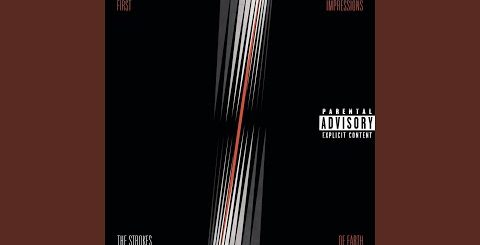
Wrapped in Julian Casablancas’s signature velvet-drenched vocals and underscored by the fever dream staccato of The Strokes’ instruments lies the song ‘Fear of Sleep.’ More than just another track on their third studio album ‘First Impressions of Earth,’ this composition speaks volumes about the human psyche and the paradoxes of vulnerability. At first glance, the lyrics might appear to skim the surface of an unsettled mind. However, a deeper exploration reveals a complex interplay of isolation, social criticism, and the existential dread that haunts the quiet of the night.
Beyond its entrancing melody and cultural footprint, ‘Fear of Sleep’ is a labyrinth original in thought and rich in poetic ambiguity. It invites listeners to dive into a shadowy introspection, challenging them to disentangle meaning from metaphor. What at first may simply strike as an emblem of insomnia, with repeated listens, begins to unfurl layers of emotional turmoil and societal disillusionment. The Strokes do not merely create music; they craft experiences—visceral, raw, and unapologetically real.
Pulling Back the Curtain on Nightfall’s Distress
The song’s repetitive refrain ‘Fear of sleep’ resonates like an incantation, reflecting an almost obsessive anxiety towards the vulnerability of sleep. In a culture obsessed with productivity and alertness, sleep symbolizes a loss of control, an unwillingness to succumb to the body’s natural weaknesses. The protagonist’s inner turmoil peaks through the lines, suggesting a character at war with their subconscious, teetering on the edge of escapism and confrontation.
The Strokes conjure an atmosphere where sleep is personified as a forceful entity—both needed and admonished. The song’s central theme taps into a common modern angst—when the world demands constant vigour, what happens when one simply cannot keep their eyes open? The anxiety is heightened by the dissonant, explosive layers of The Strokes’ guitar riffs and drumbeats, perfectly illustrating the turmoil of a mind fraught with unease.
Society’s Looking Glass: Reflection or Rejection?
Lyrically, the song captures a feeling of disenfranchisement and a sensitive critique of society’s penchant for stiff-upper-lip facades. ‘I guess everybody’s week must have been pretty rough / ‘Cause everybody is drunk, loud, and pissed off’ Casablancas croons, pointing to the coping mechanisms and collective exhaustion that bubble beneath societal norms. The song blatantly pokes at the pretense that to partake in communal aggravation is somehow preferable to genuine, interpersonal connection.
Thus, ‘Fear of Sleep’ strikes an emotional chord with those who sense the absurdity of maintaining appearances amidst personal discord. The internal struggle with authenticity against the pressure of societal expectations becomes a thrilling undercurrent. It is through this looking glass that The Strokes compel the listener to examine their own relationships with public personas and private demons.
The Unsettling Soliloquy: A Cry from the Conscious
Layered neatly within the song’s structure is a revelatory self-dialogue. Each repetition of ‘You’re no fun’ begins to sound less like an accusation thrown at another, and more like a mantra of self-deprecation—an internal mirror up against the singer’s own flaws and perceived inadequacies. The song flirts with the dichotomy of needing to be in touch with oneself while also grappling with the discomfort that comes with too much introspection.
Here, ‘Fear of Sleep’ subtly, yet powerfully, addresses the personal battles of the psyche. It forces the listener into a vertigo of reflection as the line between internal and external judgments blur, leaving one to decipher where one’s depths of discontent actually lie. The echoing ‘You’re no fun’ seems to transcend from a childish barb to a dark, complex self-evaluation.
The Enigma of the Squirrel and Its Severed Tree
Amongst the elusive lyrics, the metaphor of the squirrel and the chopping down of its tree to obtain its fur provokes a jarring image—destruction of a safe haven for negligible gains. There’s almost an environmental whisper here, a subtle nod towards humanity’s exploitation of the natural for the superficial. Yet, on a personal level, it speaks to the violence of exposing one’s vulnerabilities. The character’s space of comfort and security is violated, an allegory associable with the human condition of sacrificing mental sanctuaries for trivial societal approval.
The song houses this potent hidden meaning within the persona of an animal instinctively seeking refuge, turning an almost childish simile into a profound rumination on protection and loss. This metaphor elevates the composition, distinguishing it as not merely a rock tune, but a poignant poetic introspection couched within the raw energy of The Strokes’ musical prowess.
Memorable Lines Etched in the Echo Chamber of Culture
‘Fear of Sleep’ is littered with lyrics that hammer home with the precision of a craftsman. ‘I know you hate to be impressed with someone else (other than yourself)’ captures the narcissistic undertones of a competitive culture that prioritizes self-interest above admiration for others. The hurtful honesty of this observation adds a layer of sharp realism to the narrative—a mirror turned outward, reflecting the audience’s own potential self-centered behaviors.
The song, while encapsulating a personal journey, also acts as a damning commentary, inviting exploration of broader societal disease through its memorable lines. As it finds its place in the cultural echo chamber, these lyrics remain tattoos on the zeitgeist: indictments of our communal failings, hymns for the sleepless, and a platform for the timeless conversation on human vulnerability and authenticity that music, at its core, seeks to embolden.