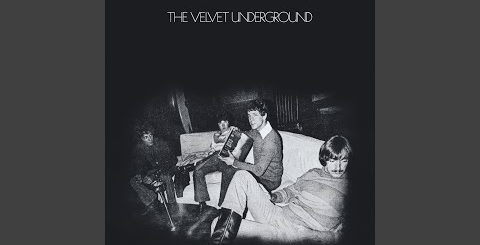
08 Stephanie Says by The Velvet Underground Lyrics Meaning – Peeling Back the Layers of Discontent & Dreamscapes
Lyrics
That she wants to know
Why she’s given half her life,
To people she hates now
Stephanie says
When answering the phone
What country shall I say
Is calling from across the world
But she’s not afraid to die,
The people all call her Alaska
Between worlds so the people ask her
Cause it’s all in her mind
It’s all in her mind
Stephanie says
That she wants to know
Why it is though she’s the door
She can’t be the room
Stephanie says
But doesn’t hang up the phone
What sea shell she is calling
From across the world
But she’s not afraid to die,
The people all cal her Alaska
Between worlds so the people ask her
Cause it’s all in her mind
It’s all in her mind
They’re asking
Is it good or bad
It’s such an icy feeling
It’s so cold in Alaska,
It’s so cold in Alaska,
It’s so cold in Alaska
The Velvet Underground, often heralded for their avant-garde contributions to rock and counter-culture, presented a tapestry of enigmatic lyrics and moody soundscapes in their music. One song in particular that encapsulates their unique blend of poetic introspection and melodic art rock is ‘Stephanie Says.’ With its melodic strings and Lou Reed’s placid vocals, the track seems like a gentle wisp of sound, but beneath its surface, the lyrics suggest a world of meaning as deep and chilling as the Alaskan imagery it evokes.
‘Stephanie Says’ peers into the complexity of human emotion and identity through its eponymous character, Stephanie. The song confronts the feelings of dislocation and existential pondering with which many grapple, framed by a narrative that extends beyond its verses into the imagination of each listener. As we dissect the subtle suggestions and overt clarions from this Velvet Underground classic, we’re reminded that sometimes the simplest melodies carry the most intricate of messages.
The Struggle Against Life’s Half-hearted Compromises
Lou Reed begins by painting Stephanie’s wistful recognition of her sacrifices—’She’s given half her life, to people she hates now’—a line that reverberates with a mixture of regret and reluctant acceptance many people face. It’s a striking comment on the human condition; how we often find ourselves enveloped in situations or relationships that drain us, without a clear path to reclaiming our spirited dreams.
This opening sentiment sets the stage for a poignant exploration into missed opportunities and the haunting ‘what-ifs’ that linger in our collective conscience. Stephanie’s existential conundrum is as relatable now as it was at the song’s conception, emphasizing that while times may change, human angst and self-reflection remain constant companions.
A Chorus of Identity Lost and Found
The chorus introduces us to ‘Alaska’—not just a cold state afar but a psychic space between worlds, where Stephanie is simultaneously lost and located. The name Alaska acts as more than a simple moniker; it acts as a metaphor for Stephanie’s internal liminality and the dissonance between her inner life and how the external world perceives her.
‘It’s all in her mind’ is the mantra repeated, grounding the surreal elements of Stephanie’s experience to something deeply internal—perhaps her imagination, or her perception of reality itself. This duality between external coldness and inner warmth is reminiscent of the dichotomized human experience of isolating intellect and passionate soul.
The Room and the Door: Metaphors for Existential Constraints
With poetic brilliance, ‘Why it is though she’s the door / She can’t be the room’ propels Stephanie’s narrative into broader metaphorical realms. Here, Stephanie embodies the threshold, the point of access, but never the space where experiences take full shape. It’s a powerful literary device that exposes the frustrating limitations we often contend with in roles and identities society prescribes to us.
This quizzical line leads us to contemplate Stephanie’s—and our own—sense of agency and place in the world. Are we merely conduits for others’ experiences, or can we claim our space and exist fully within the layers of our own complexities?
The Song’s Hidden Meaning: A Reflection on Isolation and Connection
Beneath the surface of its seemingly simple story, ‘Stephanie Says’ masks a profound exploration of isolation. As Stephanie’s character reaches out ‘from across the world,’ her connections are as tenuous as a telephone call—ephemeral, distant, and facilitated by an object rather than intimate proximity.
This theme is strikingly relevant in today’s digitally mediated society, where connections are often maintained across great distances via technology, leaving us to grapple with feelings of alienation despite being more ‘connected’ than ever. The song invites us to consider the quality and depth of our interactions and the vast emotional landscapes they traverse.
Memorable Lines Echoing Through Generations
‘It’s such an icy feeling / It’s so cold in Alaska,’ these lines linger, resonating with the stark chill of being. This repeated sentiment at the song’s conclusion traces back to the core of Stephanie’s—and possibly our own—soul’s winter. It elicits a visceral response akin to the goosebumps one feels in the midst of profound loneliness.
These memorable lines have echoed through the ages, not merely in the context of The Velvet Underground’s legacy, but within the perennial human narrative of seeking warmth in a world that can often feel emotionally frigid. In its echoing, ‘Stephanie Says’ offers a chilly solace—a recognition of shared experience that, paradoxically, connects us in our solitude.