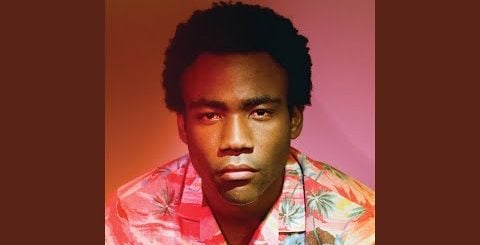
Baby Boy by Childish Gambino Lyrics Meaning – Unraveling the Threads of Fatherhood and Regret
- Music Video
- Lyrics
-
Song Meaning
- The Lullaby’s Somber Undertones – Unpacking the Opening Verse
- A Portrait of a Fractured Family – The Torment Behind the Lyrics
- Regret and Acceptance – Glover’s Contemplation on Fatherhood
- Peering into the Crystal Ball – The Bridge’s Prophetic Calm
- A Verse to Remember – The Emotive Touchstones of ‘Baby Boy’
Lyrics
Tiny heart, tiny beat
Oh, thinkin’ about the time we spent falling in love (in love)
I don’t wanna leave you
I don’t want him to see you
But oh, when mama cries from daddy’s lies
Oh my, please don’t take him away, no, no, no
Don’t take him away
Oh, cause I had my doubts, oh!
Don’t take my baby boy
Don’t take my pride and joy
I hope I stay close
I hope I stay close
All the pain, all the tears
Many nights, many years
This love for me is fading
You waited, but I never came home to you
I’ve never lied about us
We were never supposed to be together
When you see me with some other one and they know your son
Oh, please don’t take him away
You said you’re wrong but you knew
Oh, cause I had my doubts, oh!
Don’t take my baby boy
Don’t take my pride and joy
I hope I stay close
I hope I stay close
There was a time before you
And there will be a time after you
Though these bodies are not our own
Walk tall little one, walk tall
Let me hold you, let me hold you
In the eclectic array of Childish Gambino’s musical tableau, ‘Baby Boy’ stands out as an introspective ballad that encapsulates the complexity of paternal emotions. With its tender melody cloaking the depth of its lyrics, this track from the 2016 album ‘Awaken, My Love!’ reveals Glover at his most vulnerable—negotiating the trials of fatherhood, lost love, and the haunting permanence of one’s actions.
To peel back the layers of ‘Baby Boy’ is to join Gambino on a confessional journey through the personal corridors of his soul; it’s where the universal themes of love, regret, and the unbreakable bond between parent and child take center stage, all illuminated by his poignant lyrics. This song demands a closer look, a deep dive into its significance and the emotions it undeniably stirs.
The Lullaby’s Somber Undertones – Unpacking the Opening Verse
Childish Gambino begins ‘Baby Boy’ with a whisper of innocence, as he tenderly voices the physical smallness of a child contrasted with the enormity of love. ‘Little hands, little feet, Tiny heart, tiny beat’ immediately roots us in the intimate setting between a parent and their newborn. This delicate beginning, however, quickly transitions as Glover confronts the impending separation from his child—a scenario fraught with an undercurrent of fear and helplessness.
The reference to ‘the time we spent falling in love’ is not only an acknowledgement of the bond between father and son but also an allusion to the temporal nature of relationships. Glover’s plea, ‘I don’t want to leave you,’ is drenched in a desperation that captures a theme central to parenthood: the instinctual need to protect and the dread of being forcefully parted from one’s progeny.
A Portrait of a Fractured Family – The Torment Behind the Lyrics
As Glover’s narrative progresses, he paints a picture of a family divided, not just in physicality but also in the emotional landscape. The lines ‘Oh, when mama cries from daddy’s lies’ expose an environment of emotional turbulence and deceit, implicating himself as the origin of the pain. The presence of lies suggests a history of betrayal, one that has evidently left scars and directly impacts the relationships within the home.
There is also an inherent rawness in the acknowledgment of his flaws; this is Glover at his self-critical best, unpacking the aches that his own actions have inflicted upon those he loves. It’s a conversation about accountability, where through his artistic lens, Gambino confesses to the complexities that ripple through family dynamics when trust has been compromised.
Regret and Acceptance – Glover’s Contemplation on Fatherhood
A recurring theme in ‘Baby Boy’ is Glover’s expression of helplessness as he contemplates the nature of his relationship with his child. ‘All the pain, all the tears,’ speak to the endurance and the emotional tax demanded of those involved. Significantly, the line ‘You waited, but I never came home to you’ underscores a poignant reality of absence, where one partner bears the brunt of a silently deteriorating relationship.
The acceptance that emerges—’We were never supposed to be together’—might be Glover confronting the futility of a unity that was perhaps doomed from the start. It’s almost as if he’s tracing the steps back to the inception of their bond, looking for answers or, more likely, making peace with the reality that some love stories are composed more of endings than beginnings.
Peering into the Crystal Ball – The Bridge’s Prophetic Calm
In the bridge of ‘Baby Boy,’ Glover shifts his gaze to the inevitable future, delivering wisdom that belies a resignation but also a protective stoicism: ‘There was a time before you / And there will be a time after you.’ Here, he lays bare the transient nature of existence, possibly as a warning or a balm to steel his son against the world’s caprices.
Moreover, ‘Walk tall little one, walk tall’ evokes a sense of legacy and the passing on of instruction, a plea for his child to march through life with dignity and strength. This is Glover at his most instructive, ensuring that even in moments when he might fail to physically hold his son, the paternal embrace is felt through guiding principles and love-spun advice.
A Verse to Remember – The Emotive Touchstones of ‘Baby Boy’
A discussion of ‘Baby Boy’ would be incomplete without highlighting some of the most evocative lines. Glover knits together words that are bound to linger: ‘Let me hold you, let me hold you’ echoes as a profound conclusion, a yearning encapsulated in simplicity. These lines serve as the desperate plea of a father engulfed by regret and longing for the reaffirmation of that sacred bond.
‘I hope I stay close’ is similarly haunting in its repetitive vulnerability—an admission that amidst the chaos and failings, the hope for proximity, physical or emotional, remains a guiding light. This aspiration for closeness, despite the turmoil, encapsulates the restless spirit of ‘Baby Boy,’ marking it as an anthem of familial bonds, however strained they might become.