Weed Party by Band of Horses Lyrics Meaning – Unraveling the Highs and Lows of Suburban Rebellion
Lyrics
Are you come or gone?
I am about to set this off
The party is done
The wine is there to keep yourself
You got it wrong
So I brought you plenty thoughts
Words were at a loss
It’s a good day to skip because
The party is gonna call
The wine there to keep yourself
But don’t you ever listen at all?
The parents are enforcing the law
The wine is there to keep yourself
But don’t you ever listen at all?
The parents are enforcing the law
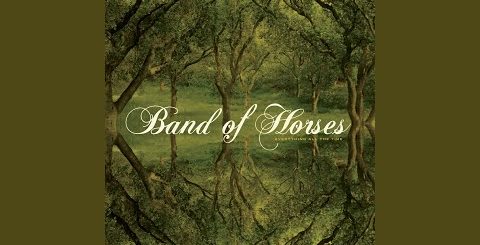
In the midst of Band of Horses’ expansive discography, ‘Weed Party’ may not have the chart-topping recognition of ‘The Funeral’, but it’s a track that encapsulates the raw, adolescent rush and the shadowed corners of suburban life. The song off their 2006 debut album, ‘Everything All the Time’, spins a tale that is much more than a mere celebration of youthful recklessness and substance-driven revelry.
Underneath the seemingly straightforward narrative of a party gone awry lies a tangled web of themes including rebellion, the consequences of hedonism, and the alienation between generations. This is a track that invites listeners to peel back the layers of its raucous exterior, to uncover a poignant critique of the very escapism it portrays.
An Ode to Reckless Youth or a Cautionary Tale?
The opening lines of ‘Weed Party’ plunge us into a disarray of youth-led chaos. ‘I got you arrested because / Are you come or gone?’ immediately strikes as a spoken snapshot: an aftermath of decisions made, and the blurring of memory. It is symbolic of the reckless and experimental ways of youth, where cause and effect are often overlooked for the thrill of the moment.
Yet, there’s a discernible undertone of regret that bleeds through as the partygoers confront the end of their carefree day. The reference to an arrest and the disembodied question, ‘Are you come or gone?’ suggests an unsettling vacancy that may accompany such hedonistic pursuits—a theme that is both a homage to and a warning about the transient nature of such escapades.
Suburban Sonnets: The Escape from Monotony
‘It’s a good day to skip because / The party is gonna call,’ hints at the alluring siren call of escapism, which is often a recurring reason behind youth-led revelry in the face of suburban ennui. The wine, mentioned repeatedly as something ‘there to keep yourself,’ acts as both a physical substance and a metaphorical crutch—present to sustain the euphoria as well as to prop up the fragile facades that these characters maintain.
This verse points to the often-predictable pattern of suburban life, where routine can suffocate the individual spirit into seeking out means of breaking free, if only temporarily. The ‘call’ of the party represents the beckoning of a different, more exciting reality set apart from the day-to-day.
The Generational Schism and the Enforcement of Law
Band of Horses doesn’t shy away from depicting the classic friction between youth and authority with the line ‘The parents are enforcing the law.’ It serves not only as a narrative pivot in the song, but also symbolizes the universal clash between the desire for self-expression and the societal boundaries erected by previous generations.
The recurring image of ‘parents’ and the ‘law’ paints a vivid picture of the inevitable intervention that interrupts the merry anarchy. Their enforcement looms over the entire scene, casting a daunting shadow—and it’s the tension between liberation and control that forms the core of this suburban drama.
A Poignant Look at the Aftermath of Excess
As the song progresses, ‘The wine is there to keep yourself’ becomes a melancholic refrain that underscores the lingering aftertaste of a party that has ended. In a world where excess is often glorified, Band of Horses draws attention to the emptiness that can follow—indicative of the all-too-often ignored consequences of indulgence.
The repeated mentions of wine alongside the metaphor of parental law enforcement suggest an evaporation of the revelry’s glamour, leaving behind a sober reality to confront. It is in these waning moments of introspection that the song speaks loudest, revealing the impermanence of artificial highs.
The Memorable Lines That Linger, Even Once the Party’s Over
‘But don’t you ever listen at all?’ rings out as a desperate plea, one that weaves through the raucousness with a piercing clarity. It’s a line that stays with you, evoking a sense of longing for understanding and a desire to be heard amidst the cacophony of voices and clashing wills.
This line captures the essence of the song, echoing the silent undercurrents that flow beneath the overt narrative of ‘Weed Party.’ It’s a poignant reminder of the search for genuine connection and meaning, which often gets lost in the sea of intoxication and temporary joy—solidifying the track’s status as a multifaceted examination of youth, freedom, and the siren call of escape.