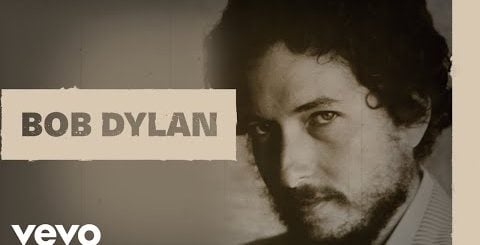
Queen Jane Approximately by Bob Dylan Lyrics Meaning – Unveiling the Layers of a Folk Rock Masterpiece
Lyrics
And your father, to your sister he explains
That you’re tired of yourself and all of your creations
Won’t you come see me, Queen Jane
Won’t you come see me, Queen Jane
Now, when all of the flower ladies what back what they have lent you
And the smell of their roses does not remain
And all of your children start to resent you
Won’t you come see me, Queen Jane
Won’t you come see me, Queen Jane
Now, when all the clowns that you have commissioned
Have died in battle or in vain
And you’re sick of all this repetition
Won’t you come see me, Queen Jane
Won’t you come see me, Queen Jane
When all of your advisers heave their plastic
At your feet to convince you of your pain
Trying to prove that your conclusions should be more drastic
Won’t you come see me, Queen Jane
Won’t you come see me, Queen Jane
Now, when all of the bandits that you turn your other cheek to
All lay down their bandannas and complain
And you want somebody you don’t have to speak to
Won’t you come see me, Queen Jane
Ah won’t you come see me, Queen Jane
Bob Dylan, the sagacious poet of the folk rock world, never fails to imbue his lyrics with a depth that continues to awe and inspire. ‘Queen Jane Approximately,’ a track from his 1965 album ‘Highway 61 Revisited,’ is no exception. Accompanied by rich, organic instrumentation, the song is a masterclass in allegory and subtext, inviting listeners to peer through the looking glass into a world of introspection and societal critique.
While seemingly addressed to a character named Queen Jane, Dylan’s artistry calls into question the identity of Jane, the roles we all play, and the masks we wear. The beguiling ballad unfolds as a series of quiet revolutions against conventions, both internal and external, probing the supposed comfort of status and the isolation it can bring.
Behind the Mask: Who is Queen Jane?
At the heart of ‘Queen Jane Approximately’ lies the enigmatic figure of Queen Jane herself. Theories abound about her true identity—whether she’s a representation of a real person in Dylan’s life, a fictional character bearing societal burdens, or perhaps even a bygone version of Dylan himself. As he serenades Queen Jane with an offer of solace, listeners are led to ponder the nature of this aloof royalty. Is she a stand-in for every person at the brink of disillusionment?
The use of ‘approximately’ in the title already hints at a sense of inexactness or imperfection, suggesting that Queen Jane’s royal standing may be more tenuous or superficial than it appears. Dylan’s invitation, delivered as both a promise and a plead, constructs Jane as a deeply relatable figure, emblematic of the fall from grace we all feel when the facade of life begins to crack.
The Faltering Facade: A Critique of Social Status
‘Queen Jane Approximately’ resonates as a rich tapestry of social commentary. We are drawn into Jane’s world – one where invites go unheeded, creations lose their luster, and the people closest begin to resent the roles they embody. Her plight is not unlike that of many public figures, a thinly veiled reference perhaps to the isolating heights of fame, where admiration turns to expectation and eventual disenchantment.
Dylan accentuates the illusory nature of power and prestige by pointing out how quickly they evaporate in the absence of genuine connection. The song speaks to the emptiness of external validation when internal fulfillment has been neglected, a poignant reminder that the trappings of authority often weigh heavier than any crown.
The Hidden Meaning: Echoes of the Everyman’s Struggle
Peeling back the layers further, ‘Queen Jane Approximately’ is an allegory for the everyman’s struggle against the monotony of existence and the relentless march of expectations. When Queen Jane’s advisors, who bring nothing but plastic solutions to her feet, fail to acknowledge her genuine pain, we see a mirror to our society’s tendency to offer superficial fixes to deep-seated issues.
By showcasing a world where even clowns and bandits are laden with grievances, Dylan paints a picture of universal weariness, where everyone is searching for solace in a world that insists on a performative spectacle. Queen Jane could be any person grappling with the inherent repetition of life, searching for a respite and a listener free from the demands of conversation and pretense.
Memorable Lines that Strike the Soul
‘And all of your children start to resent you’ is one such line that resonates with a disquieting truth. It captures the paradox of heritage and growth — the idea that what we create, be it art, relationships, or life paths, can become unrecognizable and even adversarial over time.
‘Trying to prove that your conclusions should be more drastic’ encapsulates the frustration with a world that often demands radical responses to situations, rather than appreciating the complexities and subtleties of human emotions and circumstances. It’s in these verses that Dylan’s capacity to distill universal human experiences into song earns him his place as one of the great troubadours of our time.
Echoing Through the Ages: The Song’s Timeless Appeal
Decades after its release, ‘Queen Jane Approximately’ stands as a potent symbol of Dylan’s enduring relevance. Amidst the changes of society and the evolution of music, the essence of what Dylan conveys — the search for authenticity in a world of artifice — remains as resonant today as it was in the sixties.
It is the mark of a true master to write songs that not only define an era but transcend it. ‘Queen Jane Approximately’ is both timely and timeless — a compelling confrontation with the illusions that govern lives, and a tender invitation to seek out the raw and genuine when the grandiose fails us, as it invariably does. Thus, Queen Jane, in all her ambiguity, will continue to intrigue and comfort the weary seekers of truth, approximately always.