Atrophy by The Antlers Lyrics Meaning – Delving into the Depths of Melancholy and Metaphor
Lyrics
You’ve been writing me rules, shrinking maps and redrawing borders
I’ve been repeating your speeches, but the audience just doesn’t follow
Because I’m leaving out words, punctuations, and it sounds pretty hollow
I’ve been living in bed because now you tell me to sleep
I’ve been hiding my voice and my face and you decide when I eat
In your dreams I’m a criminal, horrible, sleeping around
While you’re awake I’m impossible, constantly letting you down
Little porcelain figurines, glass bullets you shoot at the wall
Threats of castration for crimes you imagine when I miss your call
With the bite of the teeth of that ring on my finger, I’m bound to your bedside, your eulogy singer
I’d happily take all those bullets inside you and put them inside of myself
“Someone, oh anyone, tell me how to stop this
She’s screaming, expiring, and I’m her only witness
I’m freezing, infected, and rigid in that room inside her
No one’s going to come as long as I lay still in bed beside her”
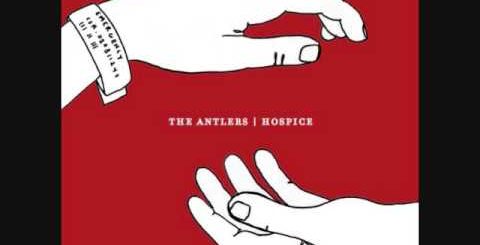
In the cavernous spaces of indie music, The Antlers have crafted a sound that defies simple classification, etching their songs with the delicate intricacy of a painter. The track ‘Atrophy,’ a haunting piece from their seminal album ‘Hospice,’ is a journey through landscapes of sorrow, introspection, and the intimate detritus of a malfunctioning relationship. With a careful, poetic flair, the lyrics draw listeners into a world where the personal becomes the universal, and the painful becomes beautiful.
The Antlers, led by frontman Peter Silberman, specialize in sowing their lyrical tapestry with threads that bind the explicit to the implicit. ‘Atrophy’ is no exception. It tackles emotionally charged themes using allegory and powerful imagery that leave the listener adrift on an ocean of contemplative melodies. In a dive into the heart of this staggering composition, each verse unfolds layers upon layers of meaning, revealing the complexity of the human experience interwoven within.
The Skull’s Tenant: A Metaphor for Mental Manipulation
The opening lines of ‘Atrophy’ immediately capture a sense of invasion, with the human mind likened to an occupied territory. The skull’s unwelcome tenant symbolizes a domineering presence—another’s will imposed on the self. A relationship, once loving, now manifests control, dictating the narrator’s actions and thoughts to the point of a loss of identity. This interior struggle is played out in an imagined tableau where personal autonomy is ceded, ‘making orders,’ ‘writing rules,’ and ‘redrawing borders’ within the mind’s landscape.
Evidently, the imagery is as much about physicality as it is about psychology. The corrosion of the self is detailed under the strain of the other’s control, suggesting depression or even an abusive dynamic. The Antlers use an economy of language that bears a heavy emotional weight, as the protagonist regurgitates ‘speeches’ that no longer carry meaning, effectively echoing through the hollowness of his compromised state.
Hiding in Plain Sorrow: The Weighted Blanket of Depression
The lyric ‘I’ve been living in bed because now you tell me to sleep’ is not merely about literal inactivity but symbolizes a profound immobilization of spirit. The bed becomes both a refuge and a prison, its covers hold the warmth of escape and the chill of entrapment. It represents the paradox of depression, where the very place of rest transforms into a landscape wherein the self is lost and commanded into obedience, hidden away from the world by an unconquerable lethargy.
What intensifies across these lines is the notion of a voice and identity suppressed. ‘Hiding my voice and my face,’ he complies with an authority that decides even when sustenance is permitted. These moments, detailed with stark honesty, place us at the bedside of someone who is more than a character—he becomes a reflection of every person who has struggled with being overwritten by the will of another.
A Nightmare’s Love Story: The Song’s Hidden Meaning
Diving deeper into ‘Atrophy,’ the song unfolds like a twisted love story set within a nightmarish dream. In his partner’s dreams, the protagonist is villainous, and in wakefulness, a constant disappointment—a projection of failures real or imagined. Every stanza brings forth the toxicity of a relationship that twists love into a mechanism of punishment and fear. This scenario is played out with ‘little porcelain figurines’ and ‘glass bullets,’ fragile yet violent images of domestic unrest.
There’s symbolism at work here, where the porcelain figures could represent the idealized versions of partners, too easily shattered by reality. The glass bullets signify words and actions that wound, delivering damage in the same breath as they fragment upon impact. The drama culminates with a ring’s bite, binding the narrator ‘to your bedside, your eulogy singer,’ evoking matrimonial chains repurposed as anchors to an emotional deathbed.
Verse of Desperation: Unforgettable Lyrical Exhales
‘Someone, oh anyone, tell me how to stop this,’ cries the narrator, a poignant exhalation capturing the sense of spiraling out of control. This memorial line puts forth a pleading helplessness that resonates beyond the song, an emblematic call for aid amidst the internal and external chaos. It is a relatable and chilling request, a universal feeling when faced with the overwhelming and the inescapable.
The imagery of ‘screaming, expiring,’ and being an ‘only witness’ extends the idea of a personal struggle to a communal experience. Our protagonist is no longer merely a victim of his circumstances but a bystander to his own destruction. This dichotomy invokes the often silent battle many fight within themselves, a battle that is intimate yet cries out for a savior, even if that savior is oneself.
Section by Section, ‘Atrophy’ Is a Microcosm of Emotion
As the final notes of ‘Atrophy’ resonate, a soundscape rich with metaphor and confession fades. The Antlers have masterfully crafted a song that courageously explores themes of love, control, and the erosion of self. Section by section, the lyrics yield a plethora of insights, speaking to the weary, the broken-hearted, and those searching for solace in understanding.
Though the narrative might dwell in the shadowy corners of our psyche, ‘Atrophy’ ultimately shines a light on the dark intricacies of human relationships. It’s a powerful exposition on the tenderness and brutality of intimacy, and how the complexities of love can indeed lead to a profound, albeit painful, inner transformation.