Devil’s Spoke by Laura Marling Lyrics Meaning – Unraveling the Threads of Folk Wisdom
- Music Video
- Lyrics
-
Song Meaning
- The Ripple of Existence: Dissecting Marling’s Opening Verse
- Breaking Bonds and Spinning Devils: A Chorus of Liberation
- Unyielding Grit and Whispered Wishes: The Essence of Strength
- Tragic Love and Blooming Flowers: Deciphering Marling’s Heartache
- Keeper of Shadows and Intimate Gazes: Unlocking the Song’s Hidden Meaning
Lyrics
Ripple on water from a lonesome drip
A fallen tree that witness me
I’m alone, him and me
And then life itself can not aspire
To have someone be so admired
I threw creation to my king
With the silence broken by a whispered wind
All of this can be broken
All of this can be broken
Hold your devil by his spoke and spin him to the ground
And root to root and tip to tip
I look at him my country gip
Let it up I own his fears
But someone brought you close to tears
Many trains and many miles
Like you to me on this sunny isle
And what of which you wish to speak
Have you come here to rescue me?
All of this can be broken
All of this can be broken
Hold your devil by his spoke and spin him to the ground
But the love of your life
Lives but lies no more
And where she lay a flower grows
The arms are fed and the babes have wed
And the backs have bled, keeping her in tow
But I am your keeper
And I hold your face away from light
I am yours till they come
I am yours till they come
Eye to eye
Nose to nose
Ripping off each other’s clothes
In a most peculiar way
Eye to eye
Nose to nose
Ripping off each other’s clothes
In a most peculiar way
Amidst the contemporary clamor of pop and electronic beats, Laura Marling’s ‘Devil’s Spoke’ emerges like a haunting whisper from the past, urging us to lean in closer. With her spellbinding vocals and the rustic charm of folk instrumentation, Marling spins a tale that feels both deeply personal and unsettlingly universal.
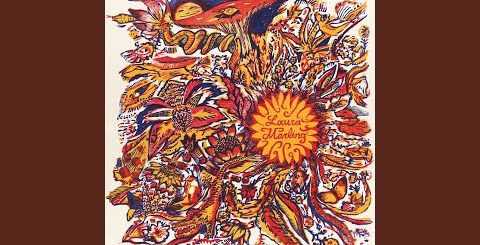
The track, nestled within the rich tapestry of her critically acclaimed album ‘I Speak Because I Can,’ orchestrates a journey of self-discovery and confrontation, as the English singer-songwriter delves into the complexities of power, control, and frailty. But what lies beneath the surface of Marling’s haunting lyrics? Let’s unearth the poetic soul of ‘Devil’s Spoke’ and its impactful message rooted in the human experience.
The Ripple of Existence: Dissecting Marling’s Opening Verse
The song begins with an image of isolation, a ‘lonesome drip’ cascading onto the surface of life’s vast waters. Marling positions herself beside a fallen tree, an observer to her own existence, suggesting a separation from the world around her. This invocation of nature echoes the Romantic poets’ sense of communion, as well as alienation, with the world.
In these opening lines, she subtly alludes to the paradox of significance and insignificance, as both tree and artist stand witness to one another’s solitary states. The image is a powerful reminder of our own fleeting place in the grand scheme of life, calling us to reflect upon the depth of our individual ripples within the collective pond.
Breaking Bonds and Spinning Devils: A Chorus of Liberation
‘All of this can be broken,’ Marling sings with resolve, punctuating the idea that all social constructs, relationships, and perceived permanences are susceptible to fracture. The chorus, an anthem of emancipation, encourages the listener to take control of the devils that bind us—whether they be fears, doubts, or external oppressors—and ‘spin him to the ground.’
It’s a visceral image, holding the devil by his spoke, suggesting a wheel or perhaps a powerless figure at the mercy of one’s determination. With this act, Marling transforms the notion of diabolic struggle into an opportunity for reclamation of power, brimming with the promise of personal renaissance.
Unyielding Grit and Whispered Wishes: The Essence of Strength
The lyrics ‘Let it up I own his fears’ cast Marling not as a victim but as a triumphant protagonist in her own story. This confession of personal agency amidst vulnerably proves that acknowledging one’s own fears is the key to unlocking true inner fortitude.
Meanwhile, the line ‘Have you come here to rescue me?’ appears to challenge the archetypal role of the damsel in distress, probing the intentions of a would-be savior and bespeaking a wary self-reliance. Marling’s eloquence here underscores the complexity of seeking solace or salvation from another.
Tragic Love and Blooming Flowers: Deciphering Marling’s Heartache
‘But the love of your life, Lives but lies no more, And where she lay a flower grows,’ Marling offers an elegiac reflection on loss and transformation. The words resonate as an invocation of legacy, where love once vivid and vibrant gives way to something new, perhaps more beautiful and enduring.
This bittersweet note serves as a poignant reminder of the cycle of life and love. Love, personified and immortalized in its silent metamorphosis, suggests that even in absence, there is a form of presence and continued growth—akin to the ethos of a romanticised, pastoral elegy.
Keeper of Shadows and Intimate Gazes: Unlocking the Song’s Hidden Meaning
The verse ‘But I am your keeper, And I hold your face away from light’ is emblematic of the song’s deeper complexity, illustrating a guardianship that veers into the realm of control. Marling’s lyrics explore the dichotomy between protection and possession, shedding light on the shadowy nuances of intimacy.
The repeated lines ‘Eye to eye, Nose to nose, Ripping off each other’s clothes’ capture a raw, primal encounter, teetering somewhere between aggression and vulnerability, revealing an enigmatic encounter that is both carnal and conflicted. Underneath the evocative imagery, the song suggests a grappling with the enigma of human connections—how they can be simultaneously empowering and destructive.