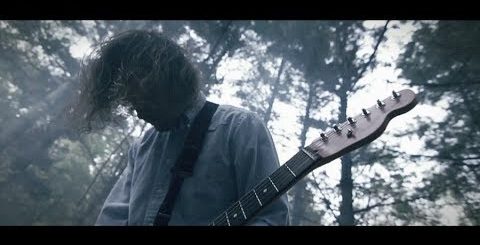
The Night I Drove Alone by Citizen Lyrics Meaning – A Deep Dive into the Longing for Escape and the Roads Not Taken
Lyrics
Now look how far I’ve got
I shared some secrets that I hope you’d keep
They’re words that don’t come out
And I should’ve crashed the car
The night I drove alone
Escape from August cold, woah
And you talk like someone else
I ran away from you
And now something’s killing me
You hang me up
As a souvenir of what I couldn’t be
And I should’ve crashed the car
When I was all alone
Escape from all I know, woah oh, woah oh
And you talk like someone else
In the stillness of the night, a lone car traverses an empty stretch of highway, the dim glow of its headlights carving a solitary path through the darkness. This haunting image perfectly captures the somber essence of ‘The Night I Drove Alone,’ an introspective anthem by Citizen that eloquently narrates the pangs of a soul yearning for escape. The track resonates with the kind of gut-wrenching honesty that compels listeners to embark on their own nocturnal reflections, pondering the myriad decisions that shape our lives.
Elegantly clothed in the angst-ridden melodies that define Citizen’s rich discography, ‘The Night I Drove Alone’ is more than just an evocative title; it encapsulates a universal experience of introspection and regret. As the listener unravels the layers beneath the haunting vocals and stirring instrumentals, they find themselves entangled in a web of deep-seated emotions and revelations that echo their own inner dilemmas.
Crossroads of Self-Confrontation
The song’s visceral impact lies in the tense acknowledgment of an internal struggle, with the refrain ‘I should’ve crashed the car the night I drove alone’ becoming a chilling metaphor for the pivotal moments when we contemplate veering off our own life paths. It is a confrontation with the thought that within our solitary journeys, we face the temptations of self-destruction or drastic change, spurred by the cold winds of disappointment that howl through the ribs of broken aspirations.
Understanding the chorus requires delving into the cruel irony of solitude—alone not by choice, but rather driven to isolation by an unresolved yearning for emotional release. The car, a symbol of purposeful motion and progress, stands in contrast to the vocalist’s emotional stasis, trapped in an August cold; a season that should symbolize warmth but here illustrates a frigid emotional landscape.
The Confessional Highway
There lies a raw confession within the lines ‘I shared some secrets that I hope you’d keep, their words that don’t come out’, suggesting a moment of vulnerability that met the cold shoulder of indifference. It is an experience both deeply personal and painfully universal: the exposure of our innermost thoughts to another, only to be met with a response that mismatches the intensity of our disclosure.
The significance of such lyrics runs deep, implying not just the act of confession but the subsequent emotional recoil. The expressed secrets linger as suppressed words—a psychological echo that the singer must now carry alone, adding to the weight of their solitary drive.
Unpacking the Ephemeral Whisper: What We Say When We’re Not Speaking
Citizen weaves a complex tapestry of communication and its breakdown, epitomized by the haunting realization ‘you talk like someone else.’ These few words illuminate the profound disconnection that can occur even in the presence of dialogue. It is a portrayal of reaching out across the chasm of growing detachment, only to find that the voice that responds is alien—no longer the confidant we once knew.
In this context, the motif of the car serves a dual purpose—not only is the singer physically moving away from the source of their anguish, but they are also distancing themselves from the person who has become unrecognizable. This estrangement feeds into the escapism cyclical throughout the song, each mention of driving alone a nail in the coffin of what was once intimate.
Illuminate the Abyss: The Song’s Hidden Meaning
On its face, ‘The Night I Drove Alone’ can be mistaken for a simple narrative of a desolate journey. Yet, there’s a profound subtext woven into the bleak tapestry. The idiom of the crashed car speaks to the choice between surrendering to the pain of existence or the active search for freedom. It’s about the gamble of risking it all to break free from the confines of our mental barriers.
This subliminal message is a paean to those moments when we confront the unnerving quietude within us. The quiet that follows when all extraneous noise is stripped away, leaving us with the beating of our heart and the thoughts we would do anything to silence. It is the internal struggle against our demons that fuels the inertia of the journey, each mile a desperate attempt to outrace them.
Memorable Lines Etched in the Mindscape
The intense sorrow of the song is encapsulated in the lines ‘I ran away from you, and now something’s killing me.’ These words cut through the emotional fabric of the song, exposing the paradox that lies in every attempt to flee from what plagues us; though we may run, we carry the seeds of our own destruction within us. It’s the realization that sometimes the most significant distance we create is ultimately the emotional space between our feelings and how we deal with them.
And as the final note fades, the listener is left to reckon with the sobering thought that maybe it’s not about the car or the cold night at all, but the elusive drive towards understanding ourselves and the desires that we allow to steer us either to safety or headlong into the storm.