The Way I Feel Inside by The Zombies Lyrics Meaning – Unveiling the Heart’s Labyrinth
Lyrics
The way I feel inside
My heart for you?
Would you say that you
Would try to love me too?
In your mind
Could you ever be
Really close to me?
I can tell the way you smile
If I feel that I
Could be certain then
I would say the things I want to say tonight
But ’til I can see
That you’d really care for me
I will dream
That someday you’ll be
Really close to me
I can tell the way you smile
If I feel that I
Could be certain then
I would say the things I want to say tonight
But ’til I can see
That you’d really care for me
I’ll keep trying to hide
The way I feel inside
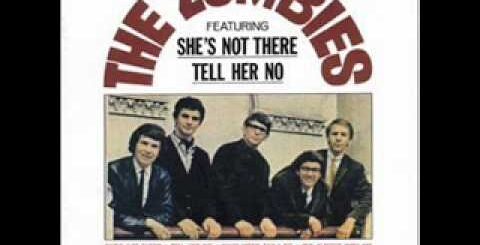
In the intricate dance of affection and vulnerability, ‘The Way I Feel Inside’ by The Zombies captures a delicate moment frozen in time. With its hauntingly sparse arrangement, the song, penned by Rod Argent, acts as a vessel for the yearning, the hope, and the fear that come with the gamble of revealing one’s true emotions.
This ballad, with its timeless melody, continues to resonate across generations, uncovering the depths of the human heart. As we delve into the lyrics, we explore the rich tapestry of this romantic enigma, understanding the tumultuous interplay of love’s hesitations and aspirations.
A Solemn Overture to Vulnerability
In every quivering note, ‘The Way I Feel Inside’ becomes a sanctuary for the unspoken. The decision to conceal or disclose one’s feelings boldy initiates the song’s narrative arc. It’s a moment we’re intimately familiar with — the internal debate of emotional risk versus the craving for connection.
The Zombies expertly encode this vulnerability in the song’s minimalist instrumentation, allowing the listener to fill in the quiet spaces with their own experiences of love and hesitation, thus creating a universal resonance that transcends the decades since the song’s inception.
Probing the Mind’s Echo Chambers
Beyond the surface of yearning, the song taps into the obsessive nature of wishful thinking. The lyric ‘In your mind / Could you ever be / Really close to me?’ speaks to our innate desire to be understood and accepted, as the protagonist imagines a depth of closeness that remains tantalizingly out of reach.
This line doesn’t simply question the possibility of physical proximity, but rather it probes the existential longing for a meeting of minds and souls. It’s a fascinating dive into the cognitive dissonance between our imagined scenarios and the starkness of reality.
The Measure of a Smile: Decoding Silent Signals
As the lead character scrutinizes the object of their affection’s expression, ‘I can tell the way you smile’ becomes the linchpin in this quest for certainty. The Zombies planted this notion as a testament to how we seek signs that support our deepest hopes, even if that evidence might be ephemeral and subject to interpretation.
It’s a masterful illustration of our yearning to crack the code of a significant other’s internal world. The smile is both a symbol of perceived assurance and the gateway to potential heartbreak, a duality that is skillfully woven into the lyrical content.
Dreaming as an Act of Self-Preservation
There’s profound beauty and tragedy in the lines ‘I will dream / That someday you’ll be / Really close to me.’ Here, The Zombies underscore the use of fantasy as a coping mechanism. When reality threatens to shatter the heart, dreams become the safe harbor for the soul’s deepest yearnings.
The song portrays this delicate balance between dreaming and the desperate need for truth, underscoring the universal human experience of finding comfort in the imagined — a place where our hopes are protected from the cold light of uncertainty.
The Labyrinthine Dance with the Hidden Meaning
Beneath the song’s melodious yearnings, there lies a cryptic message. ‘The Way I Feel Inside’ conjures an elegant allegory of playing it safe versus taking a leap of faith. The Zombies crafted a narrative that’s as much about romance as it is about life’s broader dilemmas, asking if hiding one’s true self is worth the facade of safety.
As the protagonist grapples with the caveat ‘But ’til I can see / That you’d really care for me,’ listeners bear witness to the internal tug-of-war, a silent struggle that speaks volumes of the courage it takes to reveal one’s truth, and the inherent fear of the consequences. Such is the enigma, presented in a song just over two minutes long, that continues to fascinate and touch the human spirit.