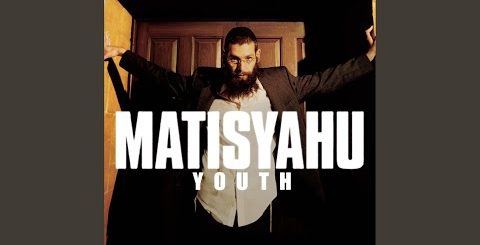
Jerusalem by Matisyahu Lyrics Meaning – A Dive Into The Soul of a Nation’s Struggle
Lyrics
Fire not gonna come from me tongue.
Jerusalem, if I forget you,
Let my right hand forget what it’s supposed to do.
In the ancient days, we will return with no delay
Picking up the bounty and the spoils on our way
We’ve been traveling from state to state
And them don’t understand what they say
3,000 years with no place to be
And they want me to give up my milk and honey
Don’t you see, it’s not about the land or the sea
Not the country but the dwelling of his majesty
Jerusalem, if I forget you,
Fire not gonna come from me tongue.
Jerusalem, if I forget you,
Let my right hand forget what it’s supposed to do.
Rebuild the temple and the crown of glory
Years gone by, about sixty
Burn in the oven in this century
And the gas tried to choke, but it couldn’t choke me
I will not lie down, I will not fall asleep
They come overseas, yes they’re trying to be free
Erase the demons out of our memory
Change your name and your identity
Afraid of the truth and our dark history
Why is everybody always chasing we
Cut off the roots of your family tree
Don’t you know that’s not the way to be
Jerusalem, if I forget you,
Fire not gonna come from me tongue.
Jerusalem, if I forget you,
Let my right hand forget what it’s supposed to do.
Caught up in these ways, and the worlds gone craze
Don’t you know it’s just a phase
Case of the Simon says
If I forget the truth then my words won’t penetrate
Babylon burning in the place, can’t see through the haze
Chop down all of them dirty ways,
That’s the price that you pay for selling lies to the youth
No way, not OK, oh no way, not ok, hey
Ain’t no one gonna break my stride
Ain’t no one gonna pull me down
Oh no, I got to keep on moving
Stay alive
Jerusalem, if I forget you,
Fire not gonna come from me tongue.
Jerusalem, if I forget you,
Let my right hand forget what it’s supposed to do.
At first glance, ‘Jerusalem’ by Matisyahu might simply seem like another reggae-infused tune with catchy beats and memorable lines. But a closer examination reveals a profound exploration of identity, heritage, and resilience in the face of centuries of adversities. Through his unique blend of genres, Matisyahu turns this song into an anthem that transcends the personal and taps into the collective memory of a people in exile.
Invoking the ancient longing for Jerusalem, the artist not only immortalizes the city’s symbolic importance but also weaves a powerful narrative that captures the spirit of Jewish history. ‘Jerusalem’ is not just a song; it’s a potent statement about an unbreakable connection to place, memory, and faith in the midst of modern disarray and historical tribulations.
A Modern Psalmist’s Lamentation: The Hook That Haunts
Much like the Psalms of David, Matisyahu’s ‘Jerusalem’ bears a chorus that resonates with the ancient practice of longing for Jerusalem. The hook ‘If I forget you, let my right hand forget what it’s supposed to do’ is reminiscent of Psalm 137’s vow by the rivers of Babylon. It’s a gripping reminder of the importance of remembering one’s origins and the spiritual catastrophe that would follow if Jerusalem—the heart of Jewish spirituality—is forgotten.
The repeated mantra-like phrase becomes a personal creed for steadfastness against cultural amnesia. It speaks to the heart of the exile experience, not just of Jews, but of any individual or group that has experienced displacement. The fire from his tongue, symbolizing passionate speech and cultural integrity, will cease if Jerusalem is erased from memory.
Bridging Continents and Centuries: The Multilayered Journey
The song details a journey from ‘state to state,’ a nomadic existence that mirrors the historical diaspora of the Jewish people. Matisyahu’s mention of ‘3,000 years with no place to be’ touches upon the enduring sense of homelessness that has been a part of Jewish collective consciousness. Yet, this is contrasted with an inexorable movement towards reclaiming the ‘bounty and the spoils,’ metaphors for the cultural and spiritual riches associated with Jerusalem.
This odyssey is not framed within the context of settling for less but rather a resilient march towards redemption and returning ‘with no delay.’ Persistence and the notion of an inevitable redemption cycle through the track, giving listeners a historical roadmap of survival against the odds, and the hope for a final return to a promised, ancestral home.
Responding to Historical Atrocities: Echoes of Survival and Resistance
‘Rebuild the temple and the crown of glory’ boldly addresses the Jewish yearning to restore the ancient temple, destroyed twice in history and now symbolizing a broader quest for spiritual and cultural rejuvenation. Matisyahu doesn’t shy away from dark themes of persecution and genocide, referencing the Holocaust with ‘Burn in the oven in this century’ and the struggle against being erased by oppressors.
Yet, through the pain, there is defiance—’it couldn’t choke me, I will not lie down, I will not fall asleep.’ These lines serve as a powerful declaration of endurance, ensuring the artist and thus the collective memory will not succumb to the forces attempting to ‘erase the demons out of our memory,’ a euphemism for historical denialism or revisionism.
The Hidden Meaning: Not Land, But Divine Presence
‘It’s not about the land or the sea, not the country but the dwelling of his majesty,’ Matisyahu sings, pointing to a spiritual relationship with Jerusalem that transcends territorial disputes. Here lies the crux of the song’s hidden message: the conception of Jerusalem as the embodiment of divine presence rather than mere geographic territory.
This carefully constructed line assigns a metaphysical dimension to the debate over Jerusalem, underscoring the idea that the city’s significance is anchored in its role as a symbolic nexus between the human and the divine, the temporal and the eternal. Matisyahu seems to suggest that Jerusalem’s true essence is not in its stones or streets but in the indwelling of the sacred, which can’t be replicated or replaced.
Timeless Rebellion: Challenging Babylon’s Deception
Captivating the spirit of defiance, Matisyahu incites a rebellion against ‘Babylon,’ a term that often symbolizes an oppressive system. The charged lines ‘If I forget the truth then my words won’t penetrate’ insist that mainstay truths hold the key to overcoming deceit. The song depicts a struggle against a ‘craze,’ a ‘phase,’ and the ‘Simon says’ aspect of mindless conformity.
In the final analysis, ‘Jerusalem’ is a summon to action, a call to preserve integrity in a world of confusion. Matisyahu reinforces hope with the declaration that no external force can break his stride or pull him down – a universal call to maintain one’s course in the pursuit of truth and identity. The lyrics are a manifesto for all who fight against the sublimation of culture and self into the maelstrom of falsity and the erasure of history.