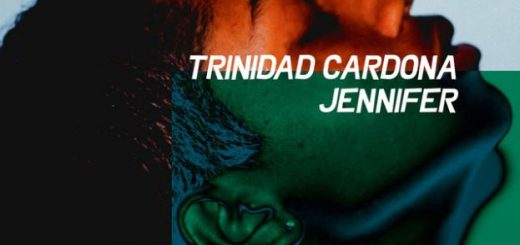
Dinero by Trinidad Cardona Lyrics Meaning – Unraveling the Maze of Material Love
Lyrics
No soy traficante
Pero escucho corridos que juega tomando Tecate
Ya dímelo antes
Ya si quieres dinero, lo siento no tengo
She take my dinero
(Take my dinero)
She take my dinero
(Take my dinero)
She playing hella hard
Playing for pesos
She playing hella hard
Playing for pesos
I whip, whip, I’m rolling
I got my money open
She text me good morning
Then I’m ready to go out and buy
Anything that she like
Get whatever’s on her mind
Spending money overtime
Oh my
Wake myself with the sun of the morning
I play myself with a stunning performance
She take all my money and now she gone
And I’m broke as a bitch and I’m all alone yeah
Trying to ball fourty
Wearing the same clothes, yeah
Trying to stay low, yeah
Looking for pesos, yeah
She take my dinero
(Take my dinero)
She take my dinero
(Take my dinero)
She playing hella hard
Playing for pesos
She playing hella hard
Playing for pesos
I’m with her rolling
My heart is broken
My money’s stolen
My shawty is so bad (but I’m ready to go buy)
Anything that she likes
Get whatever’s on her mind
Spending money overtime amor
Ya me lo llevaste
Quiero que lo pases pero no
Yeah she takin’ my money
Ya me lo llevaste
Hago lo que dices
Que quieres
She take my dinero
(Take my dinero)
Take my dinero
(Take my dinero)
She playing hella hard
She playing hella hard
Playing hard
But I’m ready to go buy anything that she likes
In a world mesmerized by the flashy allure of wealth and the heartache that often trails its pursuit, Trinidad Cardona’s ‘Dinero’ stands out as a candid soundtrack for the modern romancer caught in the dizzying spell of material love. The track, woven with raw emotion and a pulsing beat, unpacks a tale of desire, financial reckoning, and the complex dance between love and economics.
As we slip beneath the surface of its captivating rhythm, ‘Dinero’ reveals a deep resonance with the currency of connection—how relationships are tested by monetary measures, and the lengths one might go to in an attempt to sustain affections that are, perhaps, as fleeting as currency itself. In the following breakdown, we delve into the core of what makes this track a poignant commentary on contemporary entanglements.
A Love Story Wrapped in Currency Notes: The Prelude
Right from the opening lines, Cardona establishes the framing device of his narrative—a one-sided romance, underpinned by a misconstrued notion of love that is tied inexorably to wealth. Describing himself in a way that distances from a drug dealer lifestyle while simultaneously admitting to engaging in its cultural music, he sets the stage for a tale of innocence entangled with the seductive, yet perilous, world of easy money and ephemeral love.
‘No soy traficante,’ he insists, asserting an identity separate from the darker narratives often spun around Latino men, yet his involvement with ‘corridos’ and Tecate—a song genre and beer embodying the spirit of that narrative—suggest an inescapable dance with the edge of that world.
Chorus of Lament: The Repetitive Nature of Loss
The incessant repetition of ‘She take my dinero’ in the chorus is not only a relentless reminder of Cardona’s financial and emotional surrender but also a reflection of the repetitive cycle that many find themselves in when chasing love through monetary means. The words echo the hollow transactional nature of interactions where love is ‘played hard’ for ‘pesos’—a stand-in for the physical representation of one’s esteem and worth—raising crucial questions about authenticity and the true cost of love gone capitalistic.
His partner ‘playing for pesos’ reads as a metaphor for the modern-day courtship rituals, where affection and attention may appear more commodified than genuine, suggesting an ever-present question: In the game of love, is real passion ever on the table, or are we all just playing for pesos?
A Spiral Downward, Wrapped in Silk: The Irony of Affluence
Cardona describes a protagonist at the height of his game—’I whip, whip, I’m rolling, I got my money open’—painting a lifestyle brimming with success and the readiness to lavish it upon his love interest. There is an air of pride in his ability to provide, yet a lurking sense of foreboding that this brinkmanship might indeed be his undoing.
Indeed, he’s playing a part—a ‘stunning performance’—but one that ultimately leaves him ‘broke as a bitch and all alone,’ suggesting a potent critique of the pressures faced by individuals to perform their financial prowess in order to gain or maintain romantic and social status—even if it means gambling everything.
The Heartbreaking Irony: Affections Rented, Never Owned
‘Wake myself with the sun of the morning’—a line that speaks to a new day, a fresh start, which however quickly degenerates as he finds himself repeating the same, loveless patterns. This realization hits with the weight of an anchor, suggesting that no amount of monetary expenditure can secure permanence in love; it can only ever be rented, at the risk of one’s own financial and emotional bankruptcy.
Dressed in the ‘same clothes’ and searching for what was lost—the ‘pesos’—Cardona personifies the desperation and loneliness that often linger after the high of monetary love dissipates, a cautionary tale to those who associate the value of relationships with the size of their wallet.
Echoes of the Memorable: Lines that Cut Deep
Among the most striking moments in ‘Dinero’ come from the memorable lines that highlight the singer’s vulnerability, ‘My heart is broken, my money’s stolen,’ echoing the double whammy of losing both love and financial security. These lines bring the listener face-to-face with the protagonist’s raw, unfiltered hurt—a sentiment that rings true for anyone who’s laid their banknotes on the line, only to end up with a deficit of the heart.
By readying himself to ‘buy anything that she likes,’ Cardona delves into the somber realization that in the face of love, fiscal wisdom often takes a back seat to the impulses of the heart. These pithy admissions encapsulate the central message of the song: that our hunger for affection can sometimes blind us to the cost of desire, leaving us nothing but the radio on, and a lighter wallet.