Fool by Cat Power Lyrics Meaning – The Poetic Dissection of American Restlessness
- Music Video
- Lyrics
-
Song Meaning
- Unraveling the Urban Tapestry: A Critique of Concrete Jungles
- The Ballad of the Disillusioned: Seeking Substance in the Superficial
- The Silent Scream of Existence: The Song’s Most Haunting Message
- Tea, Crime, and the Loss of Linear Time: The Intriguing Lyrical Metaphor
- The Mysterious Alchemy of Personal Wars and Intimate Victories
Lyrics
Where will we rest, we’re all living on top of it
It’s all that we have the USA is our daily bread
And no one is willing to share it
Why can’t we see our fortunancy
Living as legends have lived.
Bane and dismannered
We coax all the time
Knowing that nothing is left when we die
Come along Fool
A direct hit of the senses you are disconnected
It’s not that it’s bad?it’s not that it’s death
It’s just on the tip of your tongue, and you’re so silent
Wanting to live and laugh all the time
Sitting alone with you tea and your crime
Children with kids, and people with parents
Any which way there’s no past and no presence
When the day comes and all of them bums
Will reveal enchanting persons
Come along…
When it’s a rut and baby’s no luck
Half of it’s misunderstanding love
The war we have won we’re winning again
Within ourselves and within our friends
Come along…
In an ever-turbulent world, artists often reflect upon the state of human existence and share their musings through the universal language of music. Cat Power’s song ‘Fool’ serves as a poignant commentary on the American ethos and the eternal pursuit of more—be it space, comfort, or happiness. The soulful melody, paired with introspective lyrics, provides listeners with a canvas to explore themes of discontentment and the search for meaning.
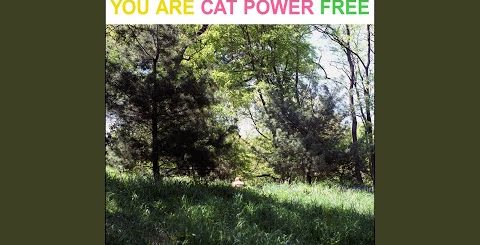
The track, found on Cat Power’s 2003 album ‘You Are Free’, weaves a tapestry of observations, encapsulating the complexities of modern life within its harmonies. Through a finely tuned lyrical lens, ‘Fool’ nudges the listener to question the very essence of prosperity, the nature of legacy, and the pursuit of true connection in a society that appears to have everything yet lacks so profoundly in shared triumphs.
Unraveling the Urban Tapestry: A Critique of Concrete Jungles
The opening lines of ‘Fool’ paint a picture of the metropolitan life—apartments stacked in New York, London, and Paris, indicating both the crowding of urban existence and the homogeneity of city living across continents. Cat Power, known for her evocative songwriting, captures the irony of proximity without intimacy; a world so connected yet compartmentalized. The ‘USA is our daily bread’ speaks to the centrality of American culture and commerce in our lives—vital for survival, yet consumed in solitude.
Beyond an assessment of physical space, these lyrics delve into the social and economic fabric that maintains status quo discontent. The reference to sharing—or rather, the reluctance to do so—points to the individualistic philosophy that often governs American society. Despite abundant resources, the collective spirit seems to be dwindling, raising questions about societal priorities and the moral direction of a nation.
The Ballad of the Disillusioned: Seeking Substance in the Superficial
Cat Power’s narrative in ‘Fool’ takes an inward turn, contemplating the notion of legacy and the marks we leave upon the world. Addressing the topic of ‘living as legends have lived’ ties in with the desire to achieve greatness, yet acknowledges the transient nature of life. Paradoxically, as much as we strive to be remembered, the song confronts us with the unsettling truth that nothing remains after death.
This verse challenges the glorification of individual success synonymous with American culture. The ‘bane and dismannered’ are perhaps those tarnished by the pursuit, coaxing and cajoling for a piece of the pie, all too aware that these efforts might be in vain. It’s an introspective quandary; the realization that our actions may only be ephemeral echoes in the grand scheme of time.
The Silent Scream of Existence: The Song’s Most Haunting Message
Perhaps the most piercing indictment of all is found in the lines about being a ‘direct hit of the senses’ yet remaining ‘disconnected.’ Through this powerful juxtaposition, Cat Power sings to the heart of the human condition—a struggle to feel alive in a world that dulls the senses, where the vitality of experience is lost to a muted, half-lived existence.
This section of the song encapsulates the perilous balance between existing and truly living. There’s an implication that by numbing ourselves or turning a blind eye to life’s depth, we become fools in the grand theater of existence. Despite sensing the possibilities life holds, there’s a collective reticence to speak up, to claim what lies on the ‘tip of the tongue,’ perhaps out of fear or resignation.
Tea, Crime, and the Loss of Linear Time: The Intriguing Lyrical Metaphor
In a departure from grandiose themes, these lines of ‘Fool’ mix the mundane with the profound. The image of sitting ‘alone with tea and your crime’ evokes a sense of quiet self-examination. Crime, in this context, could symbolize personal regrets or societal infractions—wrong turns on the path that have left individuals isolated in their own temporal bubble.
The nonexistence of ‘past and no presence’ is a poetic statement on the disconnection from both history and the moment. Children with kids, people with parents—this progression of life continues, yet through Cat Power’s lens, each generation seems to drift farther from the ones before, untethered from tradition and the lineage of human experiences.
The Mysterious Alchemy of Personal Wars and Intimate Victories
Closing the song, Cat Power touches upon the personal battles that define and shape our lives. ‘The war we have won we’re winning again’ suggests an ongoing process of overcoming, a continuous rebirth through struggle. These wars could manifest in countless forms—internal conflicts, relationship hurdles, or the universal pursuit of self-actualization.
Yet, there is hope in this cyclical conflict. The act of winning again, ‘within ourselves and within our friends,’ signifies that these battles, however formidable, lead to growth. Through the camaraderie of shared struggle, there is an implication that each victory is both a personal triumph and a communal conquest, hinting at the very connectedness the song seems to long for.