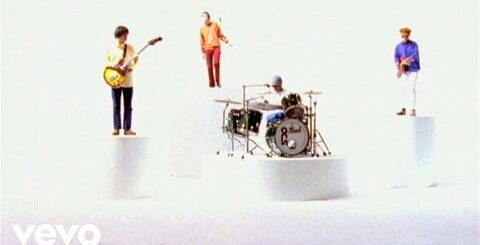
The Day We Caught the Train by Ocean Colour Scene Lyrics Meaning – Unpacking the Nostalgia Engine
Lyrics
It’s more a change of heart
Rapping on the windows, whistling down the chimney pot
Blowing off the dust in the room where I forgot
I laid my plans in solid rock
Stepping through the door like a troubadour
Whiling just an hour away
Looking at the trees on the roadside
Feeling it’s a holiday
You and I should ride the coast
And wind up in our favorite coats just miles away
Roll a number, write another song
Like Jimmy heard the day he caught the train
Oh-oh la-la
Oh-oh la-la
Oh-oh la-la
Oh-oh la
He sipped another rum and coke
And told a dirty joke
Walking like Groucho, sucking on a number ten
Rolling on the floor with the cigarette burns walked in
I’ll miss the crush when I’m home again
Stepping through the door with the night in store
Whiling just an hour away
Step into the sky in the star bright
Feeling it’s a brighter day
You and I should ride the coast
And wind up in our favorite coats just miles away
Roll a number, write another song
Like Jimmy heard the day he caught the train
Oh-oh la-la
Oh-oh la-la
Oh-oh la-la
Oh-oh la
You and I should ride the tracks
And find ourselves just wading through tomorrow
And you and I, when we’re coming down
We’re only getting back
And you know I feel no sorrow
(We’ve got the whole wide world)
Oh-oh la-la
Oh-oh la-la
Oh-oh la-la
Oh-oh la-la
When you find that things are getting wild
Don’t you want days like these?
When you find that things are getting wild
Don’t you want days like these?
When you find that things are getting wild
Don’t you need days like these?
When you find that things are getting wild
Don’t you want days like these, like these?
Oh-oh la-la
Oh-oh la-la
There’s a wistful electricity that surges through ‘The Day We Caught the Train’ by Ocean Colour Scene, a tune that’s far more than a simple Britpop anthem. At its core, it’s a tapestry of memories, a soundtrack to the evanescent moments of youth and a symbol for the transformative power of music.
The song, released in 1996, encapsulates a period of change, not just for the band, who were at their commercial zenith during the Britpop explosion, but also in the lives of its listeners, many of whom have their own personal journeys intertwined with the track. In parsing the lyrics, we unveil layers of introspection, escapism, and the delicate balance between the mundanity of everyday life and the extraordinary.
A Train Track Through Time: Capturing the Zeitgeist
The mid-90s were an era of optimism, a sense that the world was on the cusp of something grand. ‘The Day We Caught the Train’ doesn’t just hark back to that zeitgeist; it serves as a time capsule. The song’s upbeat rhythm and melody contrast with lyrical themes of change and retrospection, tying the personal evolution of the song’s protagonist with the broader cultural shifts of the time.
Ocean Colour Scene, part of the Britpop wave, mastered the art of infusing their music with a distinct British flair that resonated deeply with a generation. The spirit of the era – one imbued with exploration, experimentation, and a dash of hedonism – is captured in every chord.
Whispering Winds of Change: The Transformational Journey
When Steve Cradock’s piercing guitar riff slices through Simon Fowler’s opening lines, ‘I never saw it as the start, it’s more a change of heart,’ we’re drawn into the metamorphosis of the persona. The song speaks to the transformative nature of life’s unplanned moments, drawing a parallel to the impromptu adventures that shape who we are.
Catching the train becomes a metaphor for seizing life’s fleeting opportunities. It’s about the journeys we embark upon, the plans we make and subsequently abandon for something that promises no returns but the simple joy of being alive, here, and now.
Hidden Beneath the Tracks: The Song’s Deeper Narrative
It’s easy to get caught up in the catchy refrains and overlook the song’s hidden depths. ‘Roll a number, write another song,’ suggests a repetitive cycle of creativity and revelry, a nod perhaps to the cyclical and precarious life of an artist.
Moreover, the song reveals a portrait of companionship and shared experience. While the song might reverberate with the memory of a day out, it also quietly highlights the bonds that make such escapades worthwhile – the ‘you and I’ that find solace and excitement in shared adventures.
Lyrical Echoes: The Most Memorable Lines
The poetic prowess of Ocean Colour Scene shines with lines like ‘Walking like Groucho, sucking on a number ten’. This invokes the image of Groucho Marx, a carefree, rebellious figure sauntering through life’s absurdity.
Another line, ‘when we’re coming down, we’re only getting back,’ encompasses the desire for a return to normalcy after a high. It hints at the dichotomy of the human condition, our longing for both the exhilarating heights and the comfort of the familiar.
The Euphoric Chorus: A Call to Embrace the Wild
The euphoria of the chorus, with its simple yet infectious, ‘Oh-oh la-la,’ summons the carefree spirit of youth. The repeated question, ‘Don’t you want days like these?’ is philosophical, beckoning us to acknowledge and chase those fleeting instances of pure, uninhibited joy.
It invites listeners to reflect on their own days like these—the wild, untamed episodes of life that remain etched in memory long after the sun sets on our younger selves. In doing so, the song attains a universal quality, becoming the anthem of all who have chased the train and felt the electric veins of life’s wildest moments.