Tomblands by The Libertines Lyrics Meaning – Unearthing the Buried Allegories of Rebellion and Decay
- Music Video
- Lyrics
-
Song Meaning
- The ‘Tomblands’ Terrain: Mapping the Metaphorical Landscape
- A Hideaway for Villains: Unmasking ‘Tomblands’ Sinister Players
- The Song’s Haunting Refrain: ‘They’re Never Gonna Get Me No’
- The Telltale Heartbeat of ‘Tomblands’: The Song’s Hidden Resistance
- Dissecting the Jarring Juxtapositions: The Libertines’ Unsettling Storytelling
Lyrics
In the land of the gauching skiving sun
Their bodies are in the room, lad
Never an honest day’s work is done
They call it the Tomblands
They got to me
No, they’re never gonna get me no
Never gonna get me no
Never gonna get me no
Fifteen holes in the dealer’s chest
Yo ho ho he was a mini martial man
Serve the girls and shovel up the rest
Pieces of eight in the jukebox
Oh you know
Didn’t want to be the one to tell you
She was only fourteen
Sussed out your dirty sordid little scene
No, never gonna get me no
Never gonna get me no
Never gonna get me no
Yeah, they’re never gonna get me, no
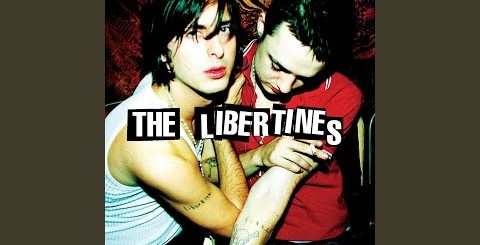
In the tapestry of early 2000s UK indie rock, The Libertines stand out as weavers of gritty tales wrapped in jangly guitars and raw vocal cords. One of their lesser glorified but no less provocative anthems, ‘Tomblands’, offers an intricate brocade of allegory and social commentary, ripe for unraveling by those willing to look beyond the surface.
The track in question, tucked within the folds of their self-titled sophomore album, is not merely a punk-inflected refrain but a subtext-laden narrative. Here, we delve into the cryptic corners and shadowed valleys of ‘Tomblands’, discerning its meaning—one that both reflects its time and carries a timeless resonance.
The ‘Tomblands’ Terrain: Mapping the Metaphorical Landscape
A first glance at ‘Tomblands’ suggests a play on words—a fusion of ‘Tom lands’, perhaps a nod to everyman’s journey, with the inexorable ‘tombs’ evoking images of death and finality. The Libertines paint a desolate scene, likening a space or state of being to a barren wasteland marked by tombs. The ‘land of the gauching skiving sun’ serves as this bleak backdrop, a place where sunlight—a traditional symbol of hope—is tainted by laziness and deceit.
The juxtaposition of lethargy and deceit with the physical presence of ‘bodies in the room’ mirrors a society bereft of vigor and honesty. When the band cries out, ‘Never an honest day’s work is done,’ they’re decrying more than just physical sloth; it’s an indictment of moral corruption and wasted potential.
A Hideaway for Villains: Unmasking ‘Tomblands’ Sinister Players
At the song’s core are characters enveloped in vice and deception. The lyrics intimate a dark story: ‘Fifteen holes in the dealer’s chest / Yo ho ho he was a mini martial man.’ A dealer, presumably in illicit trades, meets a violent end—a mini martial man fallen not in battle, but in the grimy trenches of his underworld dealings.
The libertine ethos—the very name of the band—carries a connotation of freedom pushed to the brink of moral decay. The ‘shovel up the rest’ line underscores this ethical graveyard. This is a place of final reckoning for those caught up in life’s vices, a nadir encapsulated by the dehumanizing act of shoveling up human remains as one would dispose of rubbish.
The Song’s Haunting Refrain: ‘They’re Never Gonna Get Me No’
As The Libertines repeatedly chant ‘They’re never gonna get me no,’ there’s a sense of defiance amid the bleakness. It’s a mantra of survival, a declaration from those cornered by their own acts or by a society quick to ensnare. The protagonist is adamant about evading the inevitable grasp of the Tomblands—whatever the cost or means.
Despite the surrounding despair, this recurring refusal to be ‘gotten’ is a thread of resistance, a slither of agency in the mire. It’s not just a chorus line; it’s the pulse of the song, a bellow from the depths of desperation.
The Telltale Heartbeat of ‘Tomblands’: The Song’s Hidden Resistance
What may at first seem like a narrative of surrender is, upon closer inspection, steeped in rebellion. There’s the overt storyline of corruption and downfall, but it’s countered by the narrator’s resilience. When Pete Doherty and Carl Barât proclaim ‘No, they’re never gonna get me no,’ it’s a juxtaposition to the collapse detailed elsewhere in the song.
The hidden defiance lies in the refusal to accept the fate that the ‘Tomblands’ seem to prescribe. This resistance is symbolic of The Libertines’ own contentious journey as a band: tumultuous and fraught with obstacles, yet always underscored by a refusal to yield to the crushing weight of expectations or burdens of their self-destructive narrative.
Dissecting the Jarring Juxtapositions: The Libertines’ Unsettling Storytelling
Perhaps the most harrowing moment surfaces with the line ‘She was only fourteen / Sussed out your dirty, sordid little scene.’ Here The Libertines address, with stark bluntness, the sinister underbelly of exploitation. This isn’t just storytelling; it’s a pointed accusation against those who prey on the young and vulnerable.
Through these unsettling lyrics, the band crafts a jarring reminder of society’s often-hidden darkness. ‘Tomblands,’ in its gritty, unapologetic examination of the human condition, becomes more than a song. It’s a warning, a mirror held up to the indiscretions and iniquities lurking beneath the facade of civilization.