Androgynous by The Replacements Lyrics Meaning – Peeling Back the Layers of Gender Roles and Identity
Lyrics
Here comes Jane, you know she’s sporting a chain
Same hair, revolution
Same build, evolution
Tomorrow who’s gonna fuss
And they love each other so
Androgynous
Closer than you know, love each other so
Androgynous
Don’t get him wrong and don’t get him mad
He might be a father, but he sure ain’t a dad
And she don’t need advice that’ll center her
She’s happy with the way she looks
She’s happy with her gender
And they love each other so
Androgynous
Closer than you know, love each other so
Androgynous
Mirror image, see no damage
See no evil at all
Kewpie dolls and urine stalls
Will be laughed at
The way you’re laughed at now
Now, something meets boy, and something meets girl
They both look the same
They’re overjoyed in this world
Same hair, revolution
Unisex, evolution
Tomorrow who’s gonna fuss
And tomorrow Dick is wearing pants
Tomorrow Janie’s wearing a dress
Future outcasts and they don’t last
And, today, the people dress the way that they please
The way they tried to do in the last centuries
And they love each other so
Androgynous
Closer than we know, love each other so
Androgynous
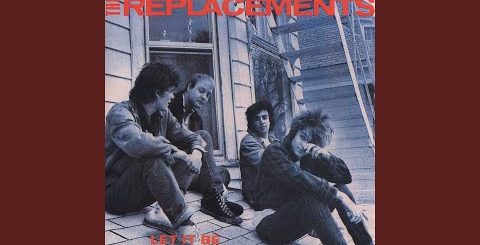
In a landscape of digital downloads and one-hit wonders, few songs manage to resonate with a spirit that transcends time. ‘Androgynous,’ a track from The Replacements’ 1984 album ‘Let It Be,’ does precisely that. More than just a punk anthem, this piece of musical poetry drenches itself in the commentary on gender norms, tied to a stone that ripples across the ages.
What perhaps was seen as mere provocation in the earlier days is now hailed as an anthem ahead of its time. ‘Androgynous’ sheds its layers of chord progressions and gravelly vocals to reveal discussions on identity, love, and the human condition that are ripe for contemporary discourse.
An Epoch of Androgyny: Then and Now
The genre-bending ‘Androgynous’ was a mirror held up to the rigid gender norms of the time. It painted a picture of two characters, Dick and Jane, who defy traditional gender expectations through their attire and attitudes. In a period of glam and punk colliding, this was The Replacements’ dance on the blurred lines of conformity.
Fast forward to the current age where discussions of gender fluidity and non-binary definitions hold sway. The song functions as a prophecy, signaling a future where the fuss over gender norms begins to diminish, nudging the world towards a spectrum of identities instead of a binaristic view.
The Heart of the Revolution: Challenging Gender Constructs
In the core of its narrative, ‘Androgynous’ conveys that the real revolution is the acceptance of one’s true self beyond societal standards. ‘Same hair revolution, same build evolution,’ is not just a clever rhyme. It’s a call to arms for individuality and the intrinsic fight against the imposition of archaic gender roles.
The revolution and evolution mentioned in the lyrics are twofold: both in the sense of a wider societal shift and in the personal growth individuals experience as they break away from norms and live authentically.
The Audacity of Unisex Love
‘And they love each other so, androgynous,’ isn’t simply about the physical or aesthetic aspects of being androgynous. It’s illustrative of a deeper, purer form of love that exists when two people are seen and accepted for who they truly are at their core.
This love knows no bounds, no gender, no standards. It is an ideal that portrays the essence of connection as something that transcends all superficial layers, including how society wants us to dress, act, or be identified.
A Reflection Without Damage: The Canvas of Self-Expression
Mirror images and the visual of ‘seeing no damage’ evoke a strong sentiment against the vilification and ridicule commonly experienced by those who dare to challenge gender stereotypes. It’s a poetic statement about accepting one’s reflection without the societal imprint of shame or harm.
The mention of ‘Kewpie dolls and urine stalls’ tackles the contrast between innocence and vulgar reality, implying that the genuine pathos lies not in androgyny but in society’s scorn.
The Hidden Meaning: Unveiling the Timeless Nature of Androgyny
Peering beneath its punk-rock veneer, ‘Androgynous’ might be an oracle about the future – ‘tomorrow who’s gonna fuss’ – suggesting a world where the gendered dichotomy is obsolete. The song posits a rendezvous with a future where humanity is not judged by outward appearances or gender conformity but rather celebrated for their individual essence.
It captures the ephemerality of the cultural outcast character – ‘future outcasts and they don’t last’ – with the comforting reminder that what is nonconformist today may become the norm of tomorrow, as society continually evolves.