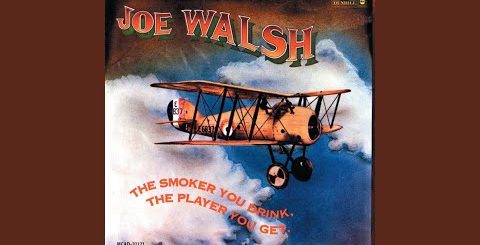
Life’s Been Good by Joe Walsh Lyrics Meaning – Unveiling the Irony of Rock Stardom
Lyrics
Ain’t never been there, they tell me it’s nice
I live in hotels, tear out the walls
I have accountants pay for it all
They say I’m crazy but I have a good time
I’m just looking for clues at the scene of the crime
Life’s been good to me so far
My Maserati does one-eighty-five
I lost my license, now I don’t drive
I have a limo, ride in the back
I lock the doors in case I’m attacked
I’m makin’ records, my fans they can’t wait
They write me letters, tell me I’m great
So I got me an office, gold records on the wall
Just leave a message, maybe I’ll call
Lucky I’m sane after all I’ve been through
(Everybody say, “I’m cool,” “He’s cool”)
I can’t complain but sometimes I still do
Life’s been good to me so far
I go to parties sometimes until four
It’s hard to leave when you can’t find the door
It’s tough to handle this fortune and fame
Everybody’s so different, I haven’t changed
They say I’m lazy but it takes all my time
(Everybody say, “Oh yeah,” “Oh yeah”)
I keep on goin’ guess I’ll never know why
Life’s been good to me so far
Ah, yeah, yeah
(Uh-oh, here comes a flock of wah-wahs)
Joe Walsh’s ‘Life’s Been Good’ resonates as a decadent anthem of rock n’ roll excess and the surreal life of superstardom.
Beneath the upbeat tempo and comical relief, however, lies a layered expression of the reality of fame and the personal cost it entails.
The Mansion Metaphor: Material Wealth vs. Personal Fulfillment
Walsh’s mention of a mansion he’s rarely seen is a powerful metaphor for the accumulation of material wealth that often accompanies fame. It symbolizes the detachment between the tangible assets and the actual enjoyment or usage of them. This raises the question of whether the emblematic fruits of success equal personal fulfillment or if they merely represent an expected narrative.
More broadly, the song positions such opulence alongside personal inaccessibility, fundamentally questioning the point of possessions without presence. It’s an artistic nudge at the emptiness of a lifestyle that society often envies, riddled with irony.
The Freedom of the Road vs. The Limits of Fame
With a Maserati fast enough to break the legal speed limits, Walsh’s character loses his license, grounding the vehicle, and quite literally, himself. The veneer of freedom that comes with high-priced vehicles and fast living is peeled back to reveal the constraints – legal and personal – that bind even the most privileged individuals.
This juxtaposition of high-flying lifestyle being curtailed by authority, and perhaps by the repercussions of one’s actions, delves into the dichotomy of stardom: the illusion of boundless freedom shadowed by its own unique imprisonments.
Isolation in the Spotlight: The Limo as a Fortress
Retreating to the back of a limousine and locking the doors, the protagonist cloaks himself in security, guarded from the undefined ‘attack’. It’s a stark portrayal of the isolation that often results from the loss of normalcy and ensuing paranoia that fame can bring about.
Though wealth and fame promise connection, the fear of being misunderstood or targeted grows proportionately with public exposure. As Walsh illustrates, with higher walls and thicker barriers, the supposed sanctuary of fame can quickly become a gilded cage.
‘Fortune and Fame’: The Song’s Underlying Message
Walsh’s tale of parties and inescapable glitter hints at an all-too-common hidden truth behind the manicured façade of the rich and famous. Beneath the surface, it delivers a cautionary portrayal of a world mired in excess and disoriented by its own splendor, often to the detriment of personal authenticity.
The repeated assertions of sane self-identity amid the insanity, ‘Lucky I’m sane after all I’ve been through’, followed by a campy chorus of affirmation, underscore an undertone of fragile justification and reaffirms an identity lost amidst the whirlwind of fame.
The Song’s Iconic Lines: A Satirical Masterpiece
‘I go to parties, sometimes until four. It’s hard to leave when you can’t find the door.’ These memorable lines serve not only as catchy reminiscences of a rock star lifestyle but also cleverly encapsulate the paradoxical trap of the hedonistic treadmill: the more one has, the more one is lost within it.
Walsh encapsulates the absurdity of his own experiences, weaving them into a comical tapestry that was meant to entertain while incidentally prompting the listener to ponder, laugh, and perhaps grow a little wary of the siren call of fame and its glamorous trappings.