54-46 Was My Number by Toots and The Maytals Lyrics Meaning – Unraveling the Threads of Freedom and Resistance
Lyrics
Listen what I say (listen what I say)
I said hear me now (I said, yeah)
Listen what I say (listen what I say)
I said, “Stick it up, mister”
Hear what I say, sir
Get your hands in the air, sir
Then you will get no hurt mister, ah
Do what I say, sir, ah
Just what I mean sir
Get your hands in the air, sir
Then you will get no hurt, no
I said, yeah (I said, yeah)
Listen what I say (listen what I say)
I said hear me now (I said, yeah)
Listen what I say (listen what I say)
Second thing they say, I must join the office
Third thing they say, “Son, give me your number now”
He say, “What’s your number?”, I don’t answer
He say, “What’s your number, man?”, I don’t answer
He say, “What’s your number now?”
He say “What’s your number now?”
I said, “Fifty-four, forty-six, that’s my number”, whoa
Fifty-four, forty-six, that’s my number, one more time
Fifty-four, forty-six, that’s my number, whoa
Fifty-four, forty-six, that’s my number
I said, yeah (I said, yeah)
Listen what I say (listen what I say)
I said hear me now (I said, yeah)
Listen what I say (listen what I say)
Ba-da-da, dee-dee-dee-dee-dee-dee-dee-dee, dee, da-da-dee-da
Ba-da, dai-dai, day-day, day-da-da-dee-da
Dee-da-dai-da, day-da-day-da, day-da-day-da, day-da-day-da
Da-da-da, dee-dee-dee-dee-dee-dee-dee, de-dee-dee
Dee-da-da-da-da, dai-da-da-da-da
Dee-da-da-da-da-da
I said, yeah (I said, yeah)
Listen what I say (listen what I say)
I said, yeah (I said, yeah)
Listen what I say (listen what I say)
Stick it up, mister
Hear what I say, sir
Get your hands in the air, sir
You will get no hurt, sir, me say
Turn out your left pocket
Ah, give me a clean shirt, sir
Take off your shirt, sir
I not want no racket now
Stick it up, mister (I said, yeah)
Hear what I say, sir (I said, yeah)
Get your hands in the air, sir (I said, yeah)
Then you will get no hurt, mister, oh oh (I said, yeah)
Yeah (I said, yeah)
Whoa, yeah, yeah, yeah (I said, yeah)
Stick it up, mister now (I said, yeah)
Hear what I say, sir
In the annals of reggae music, few songs have carried the weight and cultural resonance of Toots and The Maytals’ iconic track, ’54-46 Was My Number.’ The song, not just a toe-tapping reggae tune, encapsulates a profound narrative of injustice, resilience, and the spirit of human endurance. It’s a musical journey that demands to be dissected and appreciated far beyond its catchy melody.
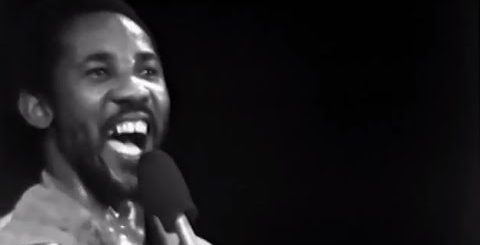
While on the surface it may induce the swaying and dancing typical of reggae music aficionados, the depths of ’54-46 Was My Number’ hide a story rooted in personal turmoil and societal struggle experienced by the band’s frontman, Frederick ‘Toots’ Hibbert. It is a melodic cry against oppression, a chapter from Toots’ life, and a reflection of a broader historical context.
Rhythms of Resistance: The Song as a Symbol of Injustice
The raw energy of the track belies its serious undertone, portraying Toots’ own experience with incarceration for marijuana possession—an event that wasn’t uncommon in Jamaica during the 1960s. The numbers ‘54-46’, which seem cryptic at a casual listen, actually refer to his prison identification number, marking him as a figure within a system that many deemed oppressive and unfairly targeting Rastafarian culture.
Toots transforms this personal anecdote into an anthem of resistance. By repeating the number like a haunting or defiant chant, he reclaims his identity beyond the systematic dehumanization, turning the mark of his imprisonment into a symbol of defiance and strength.
The Sounds of Subversion: Musical Rebellion Captured
Musically, ’54-46 Was My Number’ fuses playful beats with a steely undertone of rebellion. The infectious rhythm and upbeat tempo contradict the gravity of the lyrical content, creating a powerful vehicle for Toots’ message. This duality is a hallmark of reggae music where jovial sounds often house sobering truths – truths that speak to societal issues, resistance, and the endurance of the human spirit.
In every beat, the song defies the bleak circumstances it narrates, using the music as both a balm and a rallying cry. The Maytals succeed in juxtaposing a message of resistance against a sonic backdrop that inspires unity and, paradoxically, joy.
Decoding the Lyrics: The Hidden Meaning Revealed
Each line of the song does more than tell a story – it offers a glance into the interactions between authority and personal sovereignty. The command to ‘Stick it up, mister,’ and the invoking of a mock hold-up scenario, reflect the perceived legalized robbery of citizens’ freedoms through the invocation of harsh laws against Rastafarians.
This plea for the cease of oppression, masked by the image of a robbery, marks ’54-46 Was My Number’ as an ingenious blend of storytelling and subliminal protest. It’s a musical puzzle, each piece uncovering part of the systemic struggles faced by Toots and many like him.
Breaking Down Barriers: The Song’s Universal Appeal
While it is deeply rooted in the specific experiences of Toots and the socio-political climate of 1960s Jamaica, the track transcends its origins to speak to audiences worldwide. It speaks the language of underdogs everywhere, those who have been marginalized or mistreated by systems of power, making ’54-46 Was My Number’ an enduring, universal anthem.
The song’s ability to bridge cultural gaps and resonate with people from all walks of life is a testament to its brilliant composition and Toots’ emotive vocal delivery. The universal appeal lies in its call to human resilience and shared understanding of injustice.
The Memorable Lines That Resonate Across Generations
Certain lines in the song have etched themselves into the collective consciousness, none more powerful than the repeated declaration of ’54-46, that’s my number.’ It’s a line that captures attention through its mystery and then holds onto it with its revealed significance – the power in reclaiming and asserting one’s identity.
The song ensures these numbers are no longer synonymous with incarceration but with freedom, struggle, and ultimately, vindication. The impact of these lyrics continues to reverberate through time and through the speakers of anyone who has ever felt the sting of injustice or the joy of liberation.