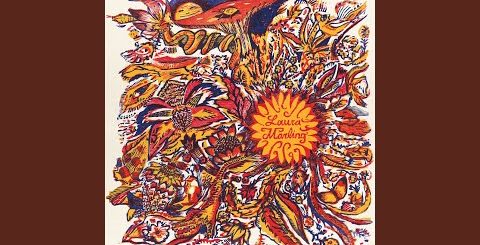
New Romantic by Laura Marling Lyrics Meaning – Unraveling the Threads of Youthful Love and Regret
Lyrics
I’m the first to admit that I’m still pretty young
And I never meant to hurt you when I wrote you ten love songs
That guy that I could never get, oh his girlfriend was pretty fit
And everyone who knew her loves her so
And I made you leave her for me and now I’m feeling pretty mean
But my mind has fucked me over more times than any man could ever know
Maybe I should give up, give in
Give up trying to be thin
Give up and turn into my mother
God knows I love her
And I’m sorry to whichever man should meet my sorry state
Watch my sturdy, lonesome gait and beware
I will never love a man ’cause love and pain go hand-in-hand
And I can’t do it
Again
So we stayed up late one night to try and get our problems right
But I couldn’t get into his head just what was going through my mind
Think he knew where I was going, he put Ryan Adams on
I think he thinks it makes me weak, but it only ever makes me strong
I’ve got this friend who sounds just like him
And he’s the man I’d leave you for, the man that I just adore, like you
The same man, he turns to me, he said “I’ve got to tell you how I feel
If God could make a perfect girl, for me it would be you
And my God told me not to tell about how much do you love your fella?”
I don’t know more everyday
Not in this new romantic way
I’ll always be your first love
You’ll always be my first love
But I’m sorry to whichever man should meet my sorry state
Watch my sturdy, lonesome gait and beware
I will never love a man ’cause love and pain go hand-in-hand
And I can’t do it
Again
I will never love a man ’cause I could never hurt a man
Not in this new romantic way
Laura Marling’s ‘New Romantic’ emerges as an introspective melody that not only enfolds listeners within its gentle guitar embrace but also delves into a young heart’s complex emotional tableau. As the strings resonate with the honesty and fragile contemplations of the songwriter, one cannot help but be whisked away into the depths of youthful love, independence, and the inevitable pain that accompanies such earnest emotions.
Through her hauntingly candid lyrics, Marling weaves a story of self-realization and coming of age, exploring the bittersweet intersection where love, self-doubt, and introspection collide. The song, with its confessional quality reminiscent of a diary entry, has reverberated through the hearts of listeners, each finding a piece of themselves amidst the guitar’s tender strumming and Marling’s vulnerable vocal delivery.
The Anatomy of Regret in Love’s Young Dream
One cannot discuss ‘New Romantic’ without diving headfirst into the potent pool of regret that Marling lyrically portrays. As she reflects on past declarations of love, she questions their authenticity, musing upon the naivete of her younger self. Her forthrightness in admitting that she was ‘wrong’ is not just an expression of regret over a lost love but a broader commentary on the impulsiveness and ever-changing nature of youthful emotions.
To love with youthful abandon is to risk the certainty of pain; it’s to write love songs with fervor, only to ponder their truths in the harsh light of experience. Marling captures this universal trajectory of growing up, making inevitable mistakes, and the resulting emotional ricochet that can leave one feeling ‘pretty mean.’
Mirror to a Maturing Soul: The Journey to Self-Acceptance
‘Maybe I should give up, give in,’ croons Marling, laying bare the inner tug-of-war between striving for an elusive ideal and embracing her true self. Her lyrics reflect the societal pressures faced by many to conform to certain standards, whether it’s physical beauty or life pathways dictated by tradition. Marling’s contemplation of ‘turning into her mother’ serves as a metaphor for the acceptance of one’s roots and nature, as she recognizes the love and inescapable connection there.
In this lyrical journey, we witness the songwriter coming to terms with her own imperfections and the imperatives dictated by her personal experiences and familial ties. This delicate balance between acceptance and the desperation to maintain individuality echoes within the hearts of many who struggle under the weight of societal expectations.
The Emotional Paradox: Love as a Harbinger of Pain
The refrain of ‘New Romantic’ bears the scars of a heart cautioning its future holders. Marling’s declaration that she will ‘never love a man’ because ‘love and pain go hand-in-hand’ is a poignant resignation to the reality of love’s double-edged sword. Her willingness to acknowledge that loving deeply can also lead to deep hurt is a mature realization often obscured by the infatuation of new love.
Through her lyrical prowess, Marling encapsulates the quintessential fear of repeating past hurts. The paradox she presents — that one must eschew love to avoid pain — captures the vulnerability and self-preservation present in the aftermath of emotional trauma. The deliberate choice to abstain from love is a testament to the raw intensity of prior affections and injuries.
The Hidden Meaning Behind Marling’s Melancholic Musings
Upon a closer listen, ‘New Romantic’ reveals itself to be a tapestry of existential musings on identity, femininity, and emotional fidelity. When Marling equates not loving a man with ‘never hurt[ing] a man,’ she subtly introduces the concept that her emotional experiences are not only self-protective but also ethically driven.
The ‘new romantic way’ she references is a radical departure from traditional romanticism; it is one that is careful, mindful, and perhaps, a bit too self-aware. Marling’s navigation of love and relationships is not merely about guarding her heart but also respecting others’. This internal conversation about accountability in love highlights her emotional intelligence and the deep level of introspection that defines her artistry.
Memorable Lines that Cut Deep into the Heart
‘I’ll always be your first love, You’ll always be my first love’—the poignant simplicity of this line echoes the irrevocable impact of young love. Marling captures a universally relatable sentiment; the indelible mark left by first experiences of love and the lingering nostalgia that often cannot be shaken by time nor circumstance.
This repeated conclusion serves as a tender recognition of the significance of an initial foray into love, despite its eventual demise. It transforms the song into an auditory monument of innocence and its inexorable loss. These words, woven throughout the narrative of ‘New Romantic,’ serve as both a lament and a bittersweet embrace of formative emotional milestones.