Newark Wilder by Pavement Lyrics Analysis – Unveiling the Enigmatic Emotions in Indie Rock
Lyrics
The forces against you, the rain
I know everybody wants to put you down
But I know everybody’s gonna put me down, I want you
Because I’m rushing to feel you
But I won’t set you down
I don’t need to
Because I’m rushing to feel you
But I won’t set you down
I don’t need to
Fly, fly, fly, fly, fly, fly, fly
Don’t try, try, try, try, try
It’s a brand new era, it feels great
It’s a brand new era but it came too late
She won’t let you know
That I need a right to touch her
She won’t let you wait for me
For me to touch you
Crowds of the people and voices
And steeples and wedding rings
Wild are the horses and break-up divorces
And separate rooms from
My, my, my, my, my, my, my
I love your tinted eyes
So bad, so bad, so so bad, so so bad
She won’t let me break you out
When the picture’s cut in
Three of us, that is enough
And the simple stuff I need
Can’t you see?
Can’t you see?
Can’t you see?
Can’t you see?
Can’t you stuff?
Can’t you stuff me, stuff me, stuff me?
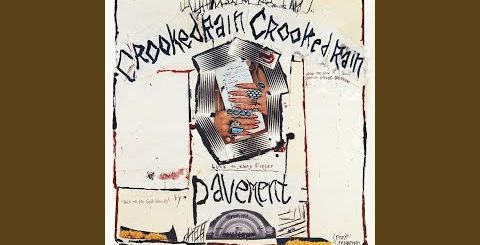
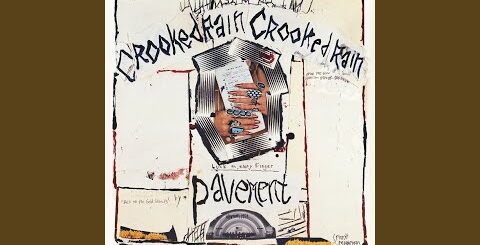
Pavement, the quintessential ’90s indie rock band known for their arcane lyrics and lo-fi soundscapes, spun a web of intrigue with their track ‘Newark Wilder.’ Wrapped in metaphor and a hazy poetic lens, the track from their acclaimed album ‘Crooked Rain, Crooked Rain,’ has long been the subject of speculation and interpretation. Music enthusiasts have often dissected the abstract beauty of Stephen Malkmus’s lyricism to seek an understanding of the complexities lodged within.
‘Newark Wilder,’ with its undulating rhythms and cryptic storytelling, ushers listeners into a realm of personal contemplation and emotional uncertainty. The search for connection, the acceptance of life’s lateness amidst the birth of eras, and the heartache of love’s constraints – all surface within this soulful serenade. Let’s dive into the depths of ‘Newark Wilder’ and discover the meanings that make this song both arrestingly beautiful and achingly relatable.
The Eternal Chase: Love’s Elusive Grip in ‘Newark Wilder’
The protagonist in ‘Newark Wilder’ is enmeshed in a fervent quest: striving to feel a connection that’s receding away. Like the ‘lane driver’ against the elements, the individual faces opposing forces in the pursuit of love. This narrative isn’t just about the physical closeness; it is an exploration of emotional intimacy and the barriers one confronts in attaining it.
Ensnared in this chase, the speaker insists on not needing to ‘set you down,’ a declaration that might extend beyond mere possession to hint at a reverence for the other’s autonomy. Therein lies an insightful tension – the passion to maintain an unwavering embrace amidst a relational dynamic that fundamentally eschews restraint and possession.
The Sting of Unequal Affection and Time’s Harsh Tale
In the visceral refrain ‘Fly, fly, fly… Don’t try, try, try,’ we witness a poignant resignation, a surrender to the futility of forced connection contrasted against the backdrop of a ‘brand new era.’ This era, which ‘feels great’ yet arrives ‘too late,’ captures a universal sentiment – the cruel mismatch of time and personal evolution.
This acknowledgement of temporal discordance speaks to the heart of romantic frustration, one where the advent of emotional readiness or maturity lands misaligned with the opportunities presented by life. It isn’t just about the love that cannot be – it’s also the lament over the epiphanies and growth that come too late for the love that could have been.
The Labyrinth of Intimacy: Navigating Personal Boundaries
As the yearning continues, ‘She won’t let you know that I need a right to touch her,’ the lyric delineates a poignant landscape where desire is ensnared by hesitancy and the complex politics of consent. It’s a stark reminder that the path to another’s heart is not straightforward or unguarded but layered with the need for permission and mutuality.
The narrative is mired in this longing to touch and be touched, yet it remains suspended in ambiguity due to the untold permissions and the inherent difficulties in intersecting with another’s need for space and sovereignty.
A Chorus of Wild Horses: The Bittersweet Symphony of Separation
Malkmus creates a vivid contrast by invoking ‘crowds of the people and voices’ alongside ‘steeples and wedding rings,’ which reflects a society bustling with union and celebration. This merriment is juxtaposed with ‘wild are the horses and break-up divorces,’ depicting the chaotic, unfettered side of human relations that’s prone to shatter as quickly as it commences.
Here, Pavement touches on the delicate facade of stability in relationships and the fierce independence emblematic of the untamed horses – encapsulating the unpredictable nature of love that can mend as easily as it can break.
Dissecting the Delicate Fabric of a Threesome
The triangular dynamic introduced in ‘Three of us, that is enough’ hints at a more profound triangulation – perhaps a classic romantic triangle or a more nuanced, psychological or existential three-way split of the speaker’s state of mind. This tripartite configuration, amidst the cries for the ‘simple stuff,’ lays bare a yearning for a stripped-down form of love, divested of the complexity mirroring our intrinsic yearning for uncomplicated affection.
The plaintive repetition of ‘Can’t you see?’ underscores a plea for recognition and understanding. It’s almost as if the speaker is beckoning a lover, or even themselves, to acknowledge the fundamental needs laid bare. And yet, the repeated ‘Can’t you stuff?’ transforms this need into an almost possessive demand to be filled, to be satiated by the other, thus revealing the often selfish nature of our emotional cravings.