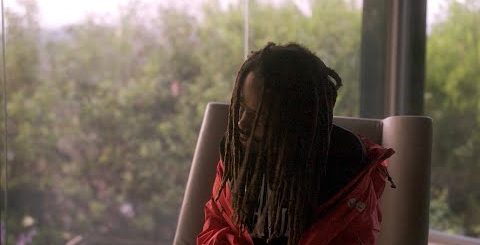
Fire in the Hole by Earl Sweatshirt Lyrics Meaning – Unpacking the Depths of Emotional Turmoil
- Music Video
- Lyrics
-
Song Meaning
- A Canvas of Chaos: The Bleeding Edge of Desperation
- The Ritual of Reading and Ignoring: Isolation in an Age of Connection
- Through the Flames of Experience: The Hidden Meaning of Transformation
- The Timelessness of Truth: The Poetic Eulogy for Misunderstanding
- Standout Bars: Cutting Through the Mulch With Memorable Lines
Lyrics
Blood (blood), blood (blood)
Seeping into the mulch, I needed a quick result
I read it and don’t respond
She see it and salt sprinkle
I needed another go
I’m seeing her when I want
Fire leaping out the hole
Deep breathing only make it grow
Ain’t wanna leave the clutch (clutch)
Far be it from me to plead with y’all (stupid)
Hit, leanin’ into the crutch
Speedin’ through the lulls (uh)
Take heed, we took an oath to the sword (what?)
The shield took a couple chinks but it never broke (no sir)
I know what he mean, how I play it based on what I’m shown
Consolidate the cream, then I’m headed home (mmh)
Sheen shine like fourteen karat gold, rewiring (uh)
Patchin’ holes (it’s no rewinding)
It’s no rewinding, for the umpteenth time, it’s only forward
Peace to AKAI SOLO, the soldier
I couldn’t toast a drink to demise, I heard the clink
Life could change in the blink of an eye, I’m wrinklin’ time (yeah)
I’ma leave it to y’all to get hoodwinked and surprised
Threw on some Bootsy, I rather be with you when I’m high
I went ahead and mixed some Beetle Juice with the wine
Skin contact, peeling her eyes, squeeze down
It’s been a minute since I blew up your line
I leave town fast
Out the dungeon like Outkast
Funnels with the loud pack
Hunter’s boots crunchin’ through the brown grass
Blood
Blood seeping into the mulch, I needed a quick result
I read it and don’t respond
She see it and sprinkle salt
I needed another go
I’m seeing her when I want
Uh
(When I want)
Uh
Uh
Earl Sweatshirt’s ‘Fire in the Hole’ isn’t just another track; it’s a poignant excavation of the psyche draped in the complex cloth of his lyricism. Unlike the straightforward bangers consuming mainstream play, this song demands we pause, lean in, and listen—to really listen—as Earl weaves words that bleed with introspection and rawness.
The song’s intro, which features a haunting repetition of the word ‘blood,’ sets the tone for a narrative that delves deep into personal struggle, resistance and the undying human spirit to move forward. Each verse, ripe with metaphor and layered with meaning, unfolds like the pages of a diary scorched by the flames of experience. Underneath the vivid storytelling, there’s an essence of growth born from pain, a motif that Earl famously navigates with the deftness of a seasoned philosopher.
A Canvas of Chaos: The Bleeding Edge of Desperation
In ‘Fire in the Hole,’ Earl doesn’t just use blood as a motif; it is the life force trickling into every verse. The mention of blood not just seeping but actively being incorporated into mulch, speaks volumes about creation and destruction. On one hand, blood signifies life, vitality, and the arduous bleed for his art. On the other, it represents death, the end of things, and how even demise can fertilize new beginnings.
The song’s chorus tackles deep-seated emotions and an almost cyclic encounter with internal conflicts. It paints a scene of solitude where our protagonist is too caught up in his spiral to engage with the outside world. His struggle isn’t shared nor publicized—it is his and his alone, perceived by others but left unacknowledged.
The Ritual of Reading and Ignoring: Isolation in an Age of Connection
Earl’s mention of ‘reading and not responding’ goes beyond a mere act; it’s the embodiment of a modern ritual where embracing isolation becomes a bittersweet necessity. In the crowded room that is our digital era, Earl chooses the monastic silence of his thoughts over the clamor of external input. The sprinkle of salt by the other could be a nod to the often abrasive nature of external opinions or unsolicited advice, aggravating an already open wound.
Earl’s solitude isn’t an escape but a strategy, a necessary evil to persist through ‘the lulls.’ The correspondence he avoids is symbolic of a greater discourse he’s sidelining—the trivialities that distract from the urgent need to heal and understand oneself.
Through the Flames of Experience: The Hidden Meaning of Transformation
The titular ‘Fire in the Hole’ is not merely a cautionary signal but also a metaphor for incendiary change. The raw energy required to escape the ‘hole,’ emblematic of Earl’s own personal abyss, is matched by the voracity of his artistry. The fire which is ignited within and threatens to consume also has the power to shed light and cauterize old wounds.
Every line in the song reflects a burning need to progress, to solidify gains (‘consolidate the cream’), and retreat to a place of safety (‘headed home’). The incandescence of his lyrical prowess is the refining fire by which his ‘shield’—perhaps his persona or his psyche—is forged and ultimately, although chinked, never destroyed.
The Timelessness of Truth: The Poetic Eulogy for Misunderstanding
In resisting the pull to dwell on downfall, Earl positions himself as an observer to the follies that capture others. ‘Life could change in the blink of an eye’ serves as a somber reminder of impermanence and the folly of being ‘hoodwinked and surprised.’ Earl’s evocation of ‘winkling time’ is the lyrical feat of collapsing the expansive and the immediate into a commentary on human fragility.
The invocation of funk legend Bootsy Collins and the intermingling of ‘Beetle Juice with the wine,’ presents an alchemy of influences that both intoxicate and liberate. In Earl’s lattice of life’s complexities, the pull of substance and the timeless resonance of music become his chosen companions over the superficial.
Standout Bars: Cutting Through the Mulch With Memorable Lines
‘Deep breathing only make it grow’—a line underpinned with irony. Each breath intended to quell the flames only serves to feed them. It’s in this juxtaposition that the listener can sense Earl’s struggle with the paradoxes of life’s challenges. The more he grapples with them, the more potent they become.
‘It’s no rewinding, for the umpteenth time, it’s only forward’—proclaims a commitment to progress, a dismissal of the past’s hold. Earl, in these thoughtful excerpts, crafts a manifesto for moving beyond personal trials. His lyrics are not merely to be heard but to be lived, a rallying cry for anyone caught in the riddle of their own growth.