Caught a Long Wind by Feist Lyrics Meaning – The Quest for Liberation and the Soaring Spirit
Lyrics
Unlock the lock inside of me
Where will you go?
Keep yourself afloat
Feeling old until the wings unfolded
Caught me a long wind
Where will we go?
Keep ourselves afloat
I caught a long wind
A long life wind
I got to know the sky
But it didn’t know me
Got to see the light
And land on top of the sea
And be the bird, be the key
And now the current tells
What the wave withheld
And then the lightning say
Oh where the light the will lie?
Where will you go?
Keep yourself afloat
I caught a long wind
A long life wind
Like a swallow
A night owl
A little chickadee
Sad sparrow
Good morning bird
Good nightingale
I took a deep breath
And caught a long wind
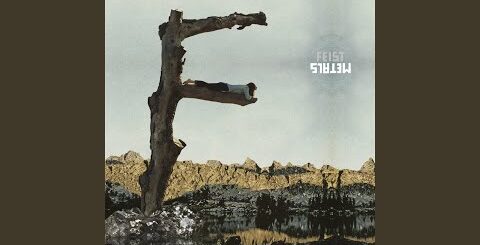
In the lush tapestry of indie folk music, Feist’s ‘Caught a Long Wind’ emerges as an evocative poem, a melody that harnesses the powerful imagery of flight as a metaphor for personal liberation. Drenched in the introspective songwriting that Leslie Feist is known for, this particular piece is a part of the artist’s 2011 album, ‘Metals,’ which ventures into themes of self-discovery, transition, and the meandering paths of inner emotions.
The song, with its delicate arrangements and hauntingly beautiful vocals, asks the listener to take flight on a journey of introspection. It encourages one to unlock the latent potential within and to explore the vast expanses of the human experience, carried aloft by the stirrings of the soul’s own winds. Let’s delve into the layers of meaning behind the lyrics of ‘Caught a Long Wind’ and unpack the messages intricately woven by Feist.
Wings Unfolded: The Struggle to Rise Above
The opening lines, ‘Little bird, have you got a key? Unlock the lock inside of me,’ speak to a yearning for freedom, a desire to escape the metaphorical cage that confines. It is a universal plea for something or someone to release the potential that we all harbor within us. Yet, the key lies in the phrase ‘feeling old until the wings unfolded,’ suggesting that it is only through maturity and growth that one can truly begin to take flight.
When she sings, ‘Caught me a long wind,’ Feist evokes the image of seizing a strong gust—a moment of opportunity that has the power to propel one forward into the vast unknown. The question ‘Where will we go?’ isn’t just a query about direction; it’s an existential ponderance on the destinations our personal journeys will lead us to.
The Skies and Seas of Existence: Finding One’s Place
In the verse, ‘I got to know the sky, but it didn’t know me,’ there’s a profound acknowledgment of insignificance within the vastness of life. Despite soaring high, reaching towards the heavens, there’s an element of isolation, a recognition that on the grand scale, one may remain unknown to the boundless skies.
The lyrics ‘Got to see the light and land on top of the sea’ conjure a triumphant note — a victorious moment when light pierces darkness, symbolizing clarity and understanding. But this clarity isn’t static; it’s dynamic, much like the light atop the ever-moving sea, suggesting that realization and self-awareness are ephemeral, to be chased continuously.
Murmurations of the Soul: The Hidden Meaning of Taking Flight
Throughout ‘Caught a Long Wind,’ there is a palpable sensation of transformation. This metamorphosis is realized through the avian imagery Feist employs — from the vulnerability of ‘little bird’ to the wisdom of ‘owl’ to the melancholy of ‘sad sparrow.’ Each bird serves as an embodiment of different states of being, moments of resilience, intelligence, sorrow, and everyday awakening (‘Good morning bird’).
The deeper meaning of ‘Caught a Long Wind’ could be a reflection on life’s cyclical nature, of being in constant motion like the birds that head towards new horizons with each challenging gust. The struggle against life’s currents and the eventual breaking through are captured gracefully within Feist’s lyrical prowess.
Echoes of a Melancholic Aviary: Dissecting the Song’s Memorable Lines
Feist’s lyrical choice in ‘Like a swallow, a night owl, a little chickadee, sad sparrow, good morning bird, good nightingale’ effectively portrays the nuances of the human spirit. These lines stand out for their literary merit, encapsulating the soul’s various shades through the titular ‘long wind’ of experiences that we navigate.
Each bird metaphor sings a different tune that resonates with listeners, connecting them to the music on a deeper, almost primordial level. It’s an invocation of our natural instinct to find kinship with these winged creatures, as they echo our own quest for significance and belonging.
Breath and Breeze: The Final Liberation in ‘Caught a Long Wind’
The liberating climax of the song arrives with ‘I took a deep breath and caught a long wind.’ Breath here is not merely about the physical act; it symbolizes the essence of life, inspiration, and spiritual sustenance. The action of inhaling deeply is a preparation for the transformative journey, a decision to embrace the force of the long wind of life that propels forward movement and change.
Feist presents a narrative that is not just about the struggle or the flight, but also the moments of respite and the silent, hopeful intakes of breath that replenish the spirit. The interplay between breath and wind in the song epitomizes the delicate dance between the self and the world—one reflective of past struggles and the other, an eternal force guiding us towards new realms of possibility.