Napoleon Solo by At the Drive-In Lyrics Meaning – Decoding a Post-Hardcore Puzzle
Lyrics
Were you sitting down
On the beaded impotence of New Orleans
A hint of suspense when that telephone rings
This is forever
It paved a wave of distance
Between a syntax error
From Austin’s yellow brick road
This is forever
From this Texas breath
Exhaled no sign of relief
This you know, this you know this is forever
March 23rd hushed the wind the music died
If you can’t get the best of us now
It’s because this forever
Makes no difference our alphabet
Is missing letters
17 embalmed and caskets lowered
Into the weather
A drizzle brisk and profound
From this Texas breath
Exhaled no sign of relief
This is forever
We’re struck by the chords from their hearts
This is forever this is forever
From this Texas breath
Exhaled no sign of relief
You know that this is forever
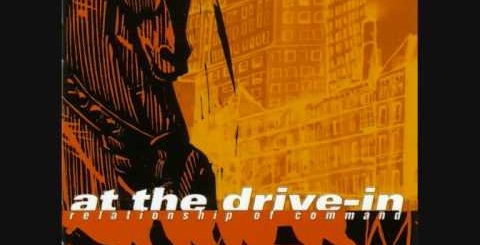
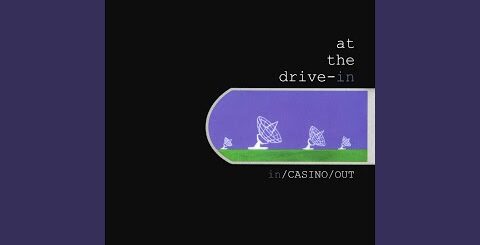
On the cusp of the new millennium, a frenetic post-hardcore quintet from El Paso, Texas, named At the Drive-In, released an enigmatic track that would reverberate through the annals of alternative rock. ‘Napoleon Solo’, a song nestled within their critically acclaimed album ‘In/Casino/Out’, is a complex tapestry of emotive storytelling and abstract poetry that defies simplistic interpretation.
The band’s proclivity for intricate lyrics and layered soundscapes serves to create a rich, auditory mosaic. Crafting songs that overlap personal turmoil with broader social commentary, At the Drive-In captures the spirit of a generation disillusioned by the empty promises of modernity.
The Lament of Cultural Despondency Spliced with Personal Anguish
The opening lines cut through the silence like a muffled cry for help, situating the listener ‘on the beaded impotence of New Orleans.’ This imagery elicits a sense of cultural paralysis, perhaps alluding to the sedentary decadence that often characterizes Bourbon Street, where beads are tokens of revelry yet devoid of genuine fulfillment.
The ‘hint of suspense when that telephone rings’ functions as a harbinger of dread. It’s as if the narrator is teetering on the edge of an epiphany – a bucolic realization that the ominous ring brings the news of certainty and irrevocable change.
March 23rd – The Date That Echoes Through Time
The mention of ‘March 23rd’ might seem a mere detail, yet it resonates with the indelibility of a significant historic or personal event. It’s a date that serves as a timestamp, a marker from which ‘the music died.’ This phrase may call to mind Don McLean’s ‘American Pie’, echoing the collapse of the idealistic 60s and its ensuing era of disenchantment.
At the Drive-In might be highlighting their particular moment of loss, capturing the essence of an emotional apocalypse that is both intimate and universal. It whispers of a reality where the hope that once soared now hushes to a somber wind.
Syntax Error: The Clash Between Reality and Communication
Layering the song with the term ‘syntax error’ speaks volumes about the struggle to convey truth and connection. It’s a metaphor for the dislocation between intent and expression – the unspeakable chasm that leaves messages distorted along the ‘yellow brick road’ from Austin.
This yellow brick road could symbolize the journey towards enlightenment, where the promise of illumination is fraught with misdirection, leading to more isolation instead of salvation. Inducing a notion that regardless of proximity, we are worlds apart in our understanding.
17 Embalmed: The Elegy of Absence and The Weather’s Indifference
In a striking visual, the song evokes ’17 embalmed and caskets lowered into the weather,’ drawing a portrait of funeral rites amid a dismissive drizzle. This scene serves as a powerful commentary on the anonymity of death and the cold indifference of the universe.
The weather’s lack of ceremony, juxtaposed with the unspoken stories of the 17 entombed, underscores a haunting narrative about life’s temporality and the oblivion that swallows individuality.
Eternal Resonance: The Surreal Permanence in ‘This is Forever’
Throughout the anthem, the repetition of ‘This is forever’ is both defeat and declaration. It could speak to the indelible mark we leave on the world or the lasting sting of grief. Here, immortality is not a trophy but a relentless echo.
The lyrics suggest that ‘this forever’ makes no difference, hinting at existentialist musings. Whether in the triumphs of our alphabets or the absences in our letters, whether in harmonious chords or hushed winds, existence marches on, a paradoxically poignant and indifferent solo.