Hunters Of The Sky by Mastodon Lyrics Meaning – Unraveling the Cryptic Allegory of Aerial Predators
- Music Video
- Lyrics
-
Song Meaning
- The Predator and Prey Dichotomy: A Commentary on Survival
- A Glass Giant Moth’s Fragility and Resilience: The Human Condition?
- Through the Eyes of the Reapers: The Song’s Hidden Message
- The Mythological Overtones: Mastodon’s Signature Storytelling
- Remembering the Haunting Refrain: Memorable Lines That Linger
Lyrics
Evading sharks of the sky
Death trap and I kill again
Dig through my own hives
Shelter from sky
Talon of raptor
Force-fed glass giant moth
Reaping fields of the flesh
Heavy hand thwart the scheme
Of the dominant nymph
Omen she brings
Carried on weathered wings
Fly reptile
Leather wings
Bones hollow
Petrified
Running faster than I ever have
Evading sharks of the sky
The earth’s ashing floats
What is good for man
Cast us out into the known
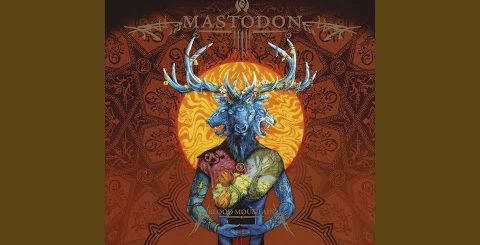
As the thunderous guitars and relentless drums propel you into the heart of Mastodon’s ‘Hunters Of The Sky,’ the raw energy is almost tangible. The song flies on the higher echelons of their 2006 album ‘Blood Mountain,’ offering a brutal and intense auditory journey. But as listeners, we’re left grappling with the layers beneath the intense soundscape—where metaphors intertwine with literal imagery, and meaning bleeds into the abstract.
This track, featuring aggressive lyrical imagery and a haunting atmosphere, is more than a heavy metal anthem—it’s a narrative bristling with darker themes and hidden symbolism. The song’s enigmatic lyrics invite diverse interpretations, as Mastodon is known for pushing beyond traditional storytelling in their music to explore deeper existential and environmental themes.
The Predator and Prey Dichotomy: A Commentary on Survival
At first glance, ‘Hunters Of The Sky’ depicts a vivid battle for survival. The lyrics ‘Running faster than I ever have/Evading sharks of the sky’ conjure visions of a prey attempting a desperate escape from the clutches of a relentless predator. It’s nature’s merciless game played on a sky-high stage.
Yet, within this raw depiction of natural selection lies a metaphor for human existence: the chase symbolizes our own trials, as we navigate the predators of our society—whether they be in the form of adversity, competition, or our inner demons.
A Glass Giant Moth’s Fragility and Resilience: The Human Condition?
As the ‘force-fed glass giant moth’ makes its appearance in the lyrics, we face an oxymoron—a creature majestic in its size but vulnerable in its substance. The glass moth might signify our own human fragility, our transparent wings battered as we venture through life’s trials.
Concurrently, it encapsulates resilience, for even as we seem delicate and breakable, humans have a startling capacity to adapt and survive even the harshest of circumstances, akin to a moth escaping the fatal clutches of predators.
Through the Eyes of the Reapers: The Song’s Hidden Message
Mastodon does not stop at straightforward analogies. With the ‘reaping fields of the flesh,’ they introduce the concept of predators themselves as agents of necessary evils. Reapers not only symbolize death but are also harbingers of balance within ecosystems.
This line could be probing into the role humans play as ‘hunters’ in the world, questioning whether our destructive actions are part of a natural order or a disruption to it. Are we nature’s reapers, the bringers of balance, or are we pushing the earth to its limits?
The Mythological Overtones: Mastodon’s Signature Storytelling
Mastodon’s lyricism often taps into mythological themes, and ‘Hunters Of The Sky’ is no exception. Phrases like ‘talon of raptor’ or ‘dominant nymph’ feel lifted from an ancient epic, painting vivid imagery.
These mythological references contribute to the song’s sense of timelessness, hinting at a narrative that’s as old as the earth itself. It blurs the lines between modern experiences and age-old tales, implying a cyclical nature to the struggles we face, much like those encapsulated in myths and legends.
Remembering the Haunting Refrain: Memorable Lines That Linger
‘The earth’s ashing floats/What is good for man’—these lines serve as a stark reminder of the consequences of our actions, underscoring a somber reflection on the impact of humanity on the planet.
There’s an echo of poetic justice in these words, a suggestion that whatever we do to the earth, the remnants of our deeds will inevitably return to haunt us. The idea that we cast ourselves out into the known, into the consequences of our actions, is a powerful sentiment that resonates long after the song ends.