These Worries by Kid Cudi Lyrics Meaning – Unpacking the Shadows of the Mind
Lyrics
So much whiskey all in my liver
I really like the punch it delivers
Makes me warm while I high five sinners
All alone trying to hide from the shadows
Ain’t no use, it seems everywhere they follow
They know where I be at, in my mind tryna get me
These worries are heavy,
They rest on my shoulders
My body won’t let me fall victim no more
These worries are heavy,
They rest on my shoulders
My body won’t let me fall victim no more
Life is like that,
Beat me up and I’ll fight right back
Poof poof be gone,
I see the devil linger on,
Yeah stuck in my hell,
Writing my mom and I ain’t doing so well,
Lord let me in, I feel like he’s my only friend
Yeah, the rage of the menace
Hate me now then hate me when I’m winning
Work so hard to not go insane,
It’s a full time job to not lose my faith
Okay I’ve been here before,
Alone for the upteenth time or more
I’m tired of mu’fuckas sayin’ that they worry about me
When in fact they probably never gave fuck about me
These worries are heavy, they rest on my shoulders
My body won’t let me fall victim no more
These worries are heavy, they rest on my shoulders
My body won’t let me fall victim no more
Yeah life is like that, beat me up
And I’m fighting right back
Poof poof be gone, I see the devil linger on,
Yeah I wanna win,
As long as I can do the work within,
Lord let me in,
I feel like you’re my only friend.
These worries are heavy, they rest on my shoulders
My body won’t let me fall victim no more
These worries are heavy, they rest on my shoulders
My body won’t let me fall victim no more
Yeah, the rage of the menace
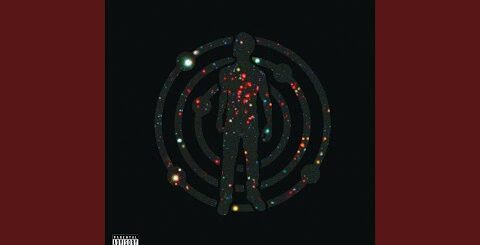
In the intricate tapestry of modern hip-hop, Kid Cudi emerges as the dark horse of introspection, a maestro of the melancholic. ‘These Worries’ from his 2010 album ‘Man on the Moon II: The Legend of Mr. Rager,’ delves into a journey mired by mental struggles, an existential waltz with inner demons.
The song isn’t just a verbal diary of distress but a battle cry for resilience. It masterfully weaves Kid Cudi’s signature blend of poignant lyricism and haunting melodies, casting a spotlight on the heavyweight champion the mind can be when it wars against itself.
The Wizard’s Potion: Whiskey as an Escape
Cudi introduces himself as ‘the crazy the wizard,’ an architect of his own escape through whiskey’s warmth. It’s this admission of turning to alcohol to soften the cacophony of life that sets the tone. The libation might deliver a temporary punch that high-fives the sinners within, but at its core, it’s an attempt to evade the omnipresent shadows clawing at his sanity.
It’s no mere celebration of alcohol, but rather a confession—Cudi acknowledges the toxicity even as he relishes the temporary reprieve. His verse reflects a widespread coping mechanism, a mask of revelry worn to shield the soul from its nocturnal adversaries.
The Weight on His Shoulders: Chronicling the Internal Struggle
The chorus, anthemic in its delivery, reinforces the enormity of the psychic burden Cudi shoulders. It’s a declaration of grievance and grit; while ‘these worries are heavy,’ they fail to crush him completely. The repetition of assurance serves as a self-affirmation that his spirit isn’t broken—his body refuses to fall victim.
It’s evident that for Cudi, the actuality of existing is a combat sport. The scars are not tokens of defeat but of continued struggle and ultimate survival against the darkest corners of his mind. The battle he speaks of is not just personal—it’s a proxy for the existential angst of a generation.
The Devil in Disguise: A Duel with Darkness
Cudi illustrates his dance with the devil—a perpetual haunt that ‘linger on’ despite his efforts to dispel it. This darkness isn’t just a figure of speech; it’s the internal adversary that fuels his rage, a menace that he despises yet drives him. It’s a fight against the entrapment in his personal hell, reaching out to a seemingly distant divine for salvation.
The letter to his mother, a beacon of earthly connection, reveals the depth of his turmoil. Amid these lyrical confessions, he issues a reminder that even in the throes of combat with one’s demons, the quest for deliverance is tireless, a balance of accepting internal chaos and seeking external guidance.
Solitude and Insincerity: Standing Alone Against the World
Cudi addresses a common paradox in human connection—feeling utterly isolated despite assurances from others. He calls out the insincerity of fair-weather friends and doubters alike, casting a solitary silhouette against a backdrop of empty words. It’s an evocative portrait of an individual forsaken by the populace, combating not just internal skirmishes but also external apathy.
Simultaneously, this insularity cements his determination to face adversities regardless of social support. Utilizing his loneliness as fuel, Cudi chooses self-reliance over hollow sympathies, a testament to his tenacity.
Victory Within & the Echoes of a Chorus
In the defiant chant of the chorus, Cudi does not merely reiterate his resilience but underscores a crucial fight—the one ‘within.’ He is chasing a victory not for external acclaim but personal redemption. The essence of his struggle is as much about overcoming internal conflicts as it is about weathering outside forces.
In the lines that refuse victimhood, Cudi crafts a mantra expressive of both vulnerability and strength. The simplicity and repetition of the chorus create a memorable echo, the kind that embeds itself in the listener’s psyche, providing a rugged anthem for those navigating the mire of their own worries.