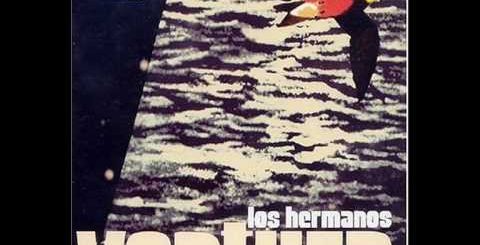
Um Par by Los Hermanos Lyrics Meaning – Dissecting the Nuances of Yearning and Discontent
Lyrics
Quando tem já não quer
Acha alguma coisa nova na TV
O que não pode ter
E deixa de gostar
Larga mão do que ele já tem
Passa então a amar
Tudo aquilo que não ganhou
Dê motivo pra outra vez acreditar
Na cascata da vez
Que você comprou assim zero mais dez
Um presente pra mim
Mas se eu perguntar
De onde veio esse agrado
Você vai gritar
Diz que é homem feito, sei não
Ah faça-me o favor
Diga ao menos o que foi
E se eu faltei em te explicar
Diz que a gente sempre foi
Um par
Sai domingo diz que é o dia de jogar
Mas que jogo eu não sei
Fica até segunda o dia clarear
E troféu não se vê
Entra sem falar
Sai correndo e volta outra vez
Sem cumprimentar
Nem parece aquele
Eu rezo, ai Deus do céu
Ou alguém no chão
Diga-me o que foi
Que eu deixei faltar
O que eu não consigo é entender
Como é que um filho meu é tão diferente assim
De mim
Me faz entender
In the pantheon of songs that deftly highlight the human condition through rich metaphors and poignant melodies, ‘Um Par’ by Los Hermanos stands as a testament to the complexities of desire, contentment, and the perennial chase for the imperceptible ‘more’. The song isn’t just another track in their discography, it’s a narrative that encapsulates the often-unspoken feelings that haunt the corridors of modern existence.
Through a blend of melancholic rhythms and evocative lyrics, the band confronts the universal struggle against dissatisfaction and the endless pursuit of what lies just beyond reach. This introspection leaves us with a piece that’s both timeless and timely—a mirror reflecting the enigmatic aspect of wanting and the vacuous nature of having.
The Restlessness of Human Yearning
The opening lines of ‘Um Par’ instantly immerse us into the central theme: the relentless discontent that bubbles beneath the surface of human desires. Los Hermanos have an uncanny ability to articulate a feeling before it even fully forms in our consciousness, when the protagonist gets what they wish, their want wanes, immediately latching onto a new fixation.
This cycle of endless yearning is depicted as a never-satisfied hunger, driven by a culture that places immense value on novelty, often at the expense of what is already possessed. The ‘new thing on TV’, a symbol of the always-revolving door of consumerism and the meandering eye of human want, is deeply entrenched in the song’s melancholic soul.
Dichotomy between Gifting and Genuine Connection
‘Dê motivo pra outra vez acreditar / Na cascata da vez / Que você comprou assim zero mais dez / Um presente pra mim,’ pleads with a lover to go beyond the superficiality of material gifts. Los Hermanos evoke the spiritual longing for reasons to believe in something more than the ‘waterfall’—a metaphorical cascade of fleeting pleasures.
The gesture of gifting is pulled apart, baring its transactional nature, and urging for a move past the numeric love of ‘zero plus ten’. To the listener, it becomes clear that the song strikes deep into the heart of relationships, where the real currency is emotional authenticity, not the cold exchange of tangible offerings.
The Ephemeral Trophy of Personal Achievement
As the lyrics navigate through the alleys of personal endeavors, ‘Sai domingo diz que é o dia de jogar / Mas que jogo eu não sei,’ speaks to the all-consuming culture of escapism through hobbies or perhaps even vices that we often glorify as modern-day ‘trophies.’
Los Hermanos cleverly juxtapose the day spent playing against the absence of any visible award. This trophy, or lack thereof, delves into the superficial pursuit of goals that society deems valuable, questioning whether these pursuits are meaningful or simply distractions from self-reflection and true connection.
Unveiling the Song’s Hidden Meaning: A Reflection of Generational Gaps
Los Hermanos subtly yet powerfully dive into the underlying currents of familial disconnect and generational disparity. The line, ‘Como é que um filho meu é tão diferente assim / De mim,’ reveals a parent’s bewilderment at the unrecognizable ways of a child, who seemingly embodies values and actions far removed from their own.
This lyrical confession sheds light on the mystifying dance between inheritance and individuality, raising existential curiosities about the generational transmission of personality and ethos. The song becomes an anthem highlighting not so much the defiance of youth, but an inherent search for identity that both aligns with and diverges from familial roots.
The Echoes of Memorable Lines: Intimacy Versus Estrangement
‘Sem cumprimentar / Nem parece aquele.’ The song’s vivid imagery speaks volume about the silent chasm that can grow between people who were once close, the absence of a greeting signifying a disconnect that reaches beyond words.
In their characteristic narrative style, Los Hermanos don’t just state an estrangement; they let it unravel like an aching question, transforming a simple observation into a doorway to profound contemplation. As listeners, we are compelled to examine the bonds in our lives that may have frayed unbeknownst to us, asking ourselves where, when, and how the space between ‘Um Par’ widened.