Levon by Elton John Lyrics Meaning – An Ode to the Pressures of Conformity and the American Dream
Lyrics
He calls his child Jesus ’cause he likes the name
And he sends him to the finest school in town
Levon, Levon likes his money
He makes a lot they say
Spends his days counting
In a garage by the motorway
He was born a pauper
To a pawn on a Christmas day
When the New York Times
Said God is dead and the war’s begun
Alvin Tostig has a son today
And he shall be Levon
And he shall be a good man
And he shall be Levon
In tradition with the family plan
And he shall be Levon
And he shall be a good man
He shall be Levon
Levon sells cartoon balloons in town
His family business thrives
Jesus blows up balloons all day
Sits on the porch swing watching them fly
And Jesus, he wants to go to Venus
Leave Levon far behind
Take a balloon and go sailing
While Levon, Levon slowly dies
He was born a pauper
To a pawn on a Christmas day
When the New York Times
Said God is dead and the war’s begun
Alvin Tostig has a son today
And he shall be Levon
And he shall be a good man
And he shall be Levon
In tradition with the family plan, woo
And he shall be Levon
And he shall be a good man
He shall be Levon
And he shall be Levon
And he shall be a good man
And he shall be Levon
In tradition with the family plan, woo
And he shall be Levon
And he shall be a good man
He shall be Levon
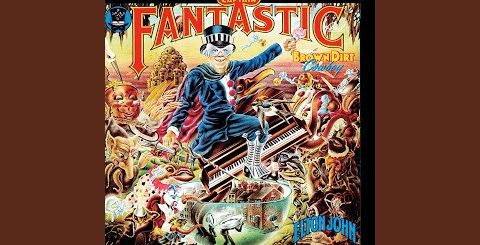
Delving into the mesmerizing world of Elton John’s ‘Levon,’ we embark on a journey through a lyrical landscape that whispers the tales of dreams, societal expectations, and the generational chains that bind. Released in 1971 on the Madman Across the Water album, the song Levon encapsulates the essence of a time riddled with both cultural transformation and deep-set tradition.
Now, decades after its release, ‘Levon’ remains as poignant and enigmatic as ever, instilling in its listeners a longing to decipher the profound messages that lurk beneath the surface. We explore this timeless ballad, contemplating not just the lyrics themselves, but the emotional and historical context that frames them, drawing out the subtle nuances that have solidified Levon’s place in the pantheon of Elton John’s greatest musical legacies.
Levon’s Crown: A Metaphor of Sacrifice and Suffering
Within the first lines of the song, we’re introduced to Levon, a symbolic figure weighed down by his ‘war wound like a crown.’ This vivid imagery serves as an allegory for the burdens carried by the song’s protagonist – the sacrifices made and the cost of living in a society that equates worth with wealth and success. Levon’s wound is not just physical; it represents the psychological scars of conformity and the relentless pursuit of prosperity.
The crown here can be seen as a double-edged sword, a representation of honor and bravery, yet simultaneously, a heavy, burdensome object that signifies the pain endured through life’s battles. It is a paradoxical honor that Levon bears, one that speaks to the heart of the American dream and its underlying discontents.
Jesus: A Rebellious Legacy or Victim of Expectation?
The name given to Levon’s child—Jesus—is provocatively loaded, immediately conjuring religious connotations. Yet, Elton John turns expectation on its head, as this Jesus is a boy far removed from salvation, instead propelled towards a future dictated by the family’s economic aspirations. The finest school, the family business of cartoon balloons, all seem to prescribe a life preordained by his father’s values.
Jesus’ desire to go to Venus represents a yearning to break free from the constraints of his earthly existence, a narrative of escape from the predestined path that has been set out for him. This interplanetary longing becomes a metaphor for the universal human desire for freedom and the pursuit of one’s own dreams, torn between filial duty and personal aspiration.
The Significance of the ‘Finest School’ and Selling Balloons
Levon’s son being sent to the ‘finest school in town’ is a lyrical device that touches on the societal norm of equating educational prestige with success. It’s a rite of passage, a way to solidify status, yet one cannot help but question whether personal happiness and fulfillment are also part of the curriculum at this so-called ‘finest school.’
Similarly, the family trade of selling cartoon balloons may seem whimsical at first glance, but it further illustrates the concept of being anchored to a vocation that offers financial stability over personal gratification. The balloons, while they fly freely, are anchored to a string, just as Levon and Jesus are tethered to their predetermined roles within the family business.
Levon’s Quest for Wealth and the Illusive American Dream
John’s depiction of Levon’s obsession with money and his reputation of making a lot ‘they say’ puts a spotlight on the relentless pursuit of material gain. This quest for wealth becomes an endless loop, trapping Levon in an existence where counting money in a ‘garage by the motorway’ overshadows the more joyful experiences of life.
The garage setting invokes a sense of isolation and disconnection, a place where Levon retreats to count his wealth instead of enjoying it. Levon’s pursuit of the American Dream, grounded in financial success, ironically leaves him impoverished in matters of the spirit and the heart.
Unraveling The Timeless Lure of ‘Levon’s’ Memorable Lines
Elton John’s storytelling prowess reaches its crescendo with lines steeped in cultural references that speak volumes. The mention of ‘Christmas day’ when ‘the New York Times said God is dead and the war’s begun’ evokes strong imagery of birth, a religious turning point, and sociopolitical upheaval.
Levon’s lyrics mark a period marked by questioning authority and the established order, thus contrasting the rhythm of ordinary lives with the extraordinary events shaping the wider world. They serve as a reminder that beneath the personal narratives of Levon and his son, Jesus, run the undercurrents of a society seeking meaning beyond the headlines of the day.