All Wrong by Morphine Lyrics Meaning – The Complex Tapestry of Human Emotion
Lyrics
All the way down
She had a smile that swerved
She had a smile that curved
She had a smile that swerved all over the road
It’s all wrong all wrong
All wrong all wrong
She had a way of making people feel good to be around her
As it should be
It’s all wrong all wrong
All wrong all wrong
All wrong all wrong
All wrong
And when she laughs I travel back in time
Something flips the switch and I collapse inside
It’s all wrong all wrong
All wrong all wrong
All wrong all wrong
All wrong
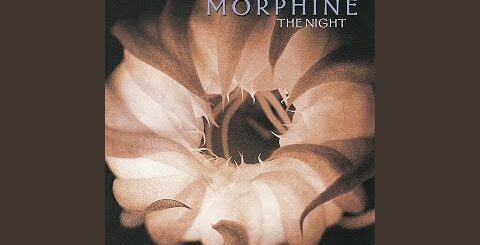
Like a siren’s call from the depths of human experience, ‘All Wrong’, a track off Morphine’s critically acclaimed 1993 album, ‘Cure for Pain’, encapsulates a mesmerizing blend of noir-jazz and alt-rock that haunts listeners long after the last note fades. This song, while minimalist in its instrumentation, is lush with emotional complexity and lyrical ambiguity.
The stoic vocals of frontman Mark Sandman, paired with the band’s unique sonic landscape, provokes a raw introspection, leading us down a rabbit hole of memories and regrets that are as distressing as they are cathartic. The elusive meaning behind ‘All Wrong’ is both a testament to Morphine’s artistry and a challenge to the listener to unearth the layers of poignant subtext.
The Enigmatic Siren and the Ravages of Memory
‘All Wrong’ opens with the vision of a woman, mysterious and enticing, her ‘black hair like ravens’ beckoning attention. This imagery, so vivid and alive, sets the stage for what unfolds as a tale of allure and the subsequent emotional whirlpool it engulfs us in. Sandman’s portrayal of this woman is dual-edged; she embodies both the enticement of attraction and the sting of its aftermath.
The smiles that ‘swerve’ and ‘curve’ symbolize the unpredictable nature of human interaction, the way emotions can veer off course, leading us to places we never anticipated. In these lines, there is a sense of the erratic journey of love, fraught with its ups and downs, and the acceptance of this turbulence as an immutable part of life. It’s this acceptance that’s ‘All Wrong’.
Dichotomy of Presence and the Shadow of Influence
The song speaks to the character’s influence, luring us into the warmth of her presence: ‘She had a way of making people feel good to be around her.’ Here lies the core twist, the sting behind the honey—the feeling that whatever this is, ‘As it should be,’ contrasts with the relentless refrain ‘It’s all wrong.’ We grapple with the juxtaposition of how something so seemingly right can feel profoundly misplaced.
Is it the longing for something that once felt wholesome now lost, or the realization that the comfort we drew from it was an illusion? Morphine leaves us pondering these questions, stripping back the layers of our own connections, compelling us to confront the ‘All Wrong’ in our lives without offering a resolution.
The Time-Travelling Laughter: An Emotional Paradox
Laughter, typically a sound of joy, becomes a trigger for time travel and introspective collapse in ‘All Wrong.’ As Sandman’s voice carries the weight of this realization, the music complements his descent. The bass, saxophone, and drums tread lightly, almost in trepidation, forging an auditory corridor that guides us through the protagonist’s inner conflicts.
The moment laughter flips the switch, it’s as though we’re confronted with the ghost of happiness past. It poses the question: Can the remnants of a smile or laughter leave us more fractured than whole? In Sandman’s lament, the past’s power to cripple the present is an emotion vividly and viscerally rendered through the simplicity of his words.
The Lyrical Echo of Desolation: It’s All Wrong
There is no mistaking the centerpiece of ‘All Wrong.’ The phrase ‘It’s all wrong’ cuts through the narrative like a mantra, a persistent echo that threads the enigmatic tapestry of this song together. This repetition serves as a stark reminder of the dissonance between what is and what ought to be, reverberating through the soul with the clarity of a church bell at midnight.
With each utterance, it gains gravity, becoming more than a chorus—instead, it transforms into a shared chorus for all who have found themselves lost in the twilight zone of love and longing. Sandman, ever the wordsmith, crafts a hook that transcends the song, turning it into a universal sigh for communal heartache.
Unearthing the Song’s Hidden Message: An Elegy to Love’s Illusion
Delve beneath the surface of ‘All Wrong,’ and you find a complex ode to the illusions of love. The character in the song, with her swerving smiles and captivating presence, may represent love itself—an unpredictable force that, even when it seems to steer us right, leaves us questioning our emotional compass.
Each time Sandman claims ‘It’s all wrong,’ he’s not just speaking of a relationship or a fleeting moment; he’s unraveling the greater paradox of human connection. It’s the understanding that even the most potent feelings and experiences, much like the song itself, can be compelling yet confounding, leaving us in a perpetual state of emotional dissonance.