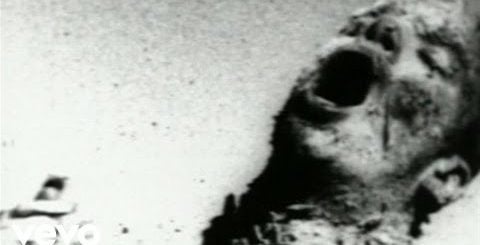
Spade by Marilyn Manson Lyrics Meaning – Unearthing the Depths of Dark Emotional Terrain
Lyrics
Now my sweet knife rusts tomorrow.
I’m a confession that is waiting to be heard.
Burn your empty rain down on me
Whisper your death beat so softly
We bend our knees
At the altar of my ego
You drained my heart
And made a spade
But there’s still traces of me
in your veins
You drained my heart
And made a spade
But there’s still traces of me
in your veins
All my lilies’ mouths are open
Like they’re begging for dope
And hoping
Their bitter petal chant,
“We can kick , you won’t be back.”
I’m a diamond that is tired
Of all the faces I’ve acquired
We must secure the shadow
Ere the substance fades
You drained my heart
And made a spade
But there’s still traces of me
in your veins
You drained my heart
And made a spade
But there’s still traces of me
in your veins
And we said ’til we die
And we said ’til we die
Marilyn Manson has never been an artist to shy away from controversy or deep introspection. In his song ‘Spade,’ Manson dives into the murky waters of self-revelation and relational decay. The track, part of his album ‘The Golden Age of Grotesque,’ is an audacious blend of gothic overtones and biting lyrical introspection that has left fans and critics alike dissecting its intricate layers for years.
The song’s stark title juxtaposes the image of a spade, a tool for unearthing and digging, with the playing card, often associated with dark omens and death. This dichotomy sets the tone for a journey through the song’s anguished and raw emotional landscape, driven by Manson’s haunting delivery and industrial rock sound.
Delving Into the Ego’s Altar: Manson’s Self-Excavation
At its core, ‘Spade’ is a confessional, a self-portrait of an artist reflecting on the layers of his persona and the impact of his relationships. The lyrics ‘I’m a confession that is waiting to be heard’ lay bare this intent, inviting the listener to witness Manson’s candid introspection.
The repeated invocation of the altar of his ego suggests a ritualistic shedding of pride and self, a theme that Manson has explored throughout his career. His sharp self-awareness cuts through the song, offering a glimpse into the complex interplay between his public image and private vulnerabilities.
From Heart to Spade: The Transformation of Love
Manson’s raw imagery flips the symbol of the heart, traditionally associated with love and affection, into a spade, an instrument of digging and severance. The metaphor speaks to the transformation of a once heartfelt connection into something cold and utilitarian. ‘You drained my heart and made a spade’ laments this deep sense of loss and betrayal.
The psychological imagery here is vivid and visceral. Manson employs the language of emotional excavation, suggesting that the toll of this transformation leaves behind scars – ‘traces of me in your veins’ – that are not easily erased.
The Opiate Nature of Desire: Manson’s Lilies Cry Out
The song’s vivid description of lilies begging for dope and their ‘bitter petal chant’ reveals Manson’s exploration of addiction, be it substance abuse or the intoxication of desire. With these lines, Manson may be commenting on the obsessive nature of modern love and its need to fill an existential void.
By comparing the open lilies to mouths gasping for something to save them, Manson conveys a powerful sense of yearning and the destructive nature of dependency. The inherent desperation in this image alludes to the destructive cycle of seeking fulfillment in external sources.
Securing the Shadow Before the Substance Fades
Manson often plays with philosophical and existential ideas, as exemplified by the line ‘We must secure the shadow ere the substance fades.’ This suggests a deep engagement with the idea of preserving one’s legacy or essence before it’s too late or before one’s true self is lost amid the many faces ‘acquired.’
It’s a call to grasp onto authenticity in a world that often values superficiality, a theme that resonates deeply in the postmodern, image-obsessed society that Manson critiques. The ‘shadow’ and ‘substance’ duality captures the internal struggle to maintain genuine identity in the face of constant change.
‘Til We Die: The Haunting Promise in Manson’s Chorus
The song’s tragic climax repeats the vow ‘And we said ’til we die,’ emphasizing the permanence and inescapability of the emotions and bonds that Manson has described. It’s a haunting reminder of the promises we make, either to ourselves or others, and the weight they carry.
These seemingly simple lines pack a poignant punch, encapsulating the fervent, sometimes futile human desire to hold onto connections that have been irrevocably transformed. Manson’s ability to distill such potent sentiment into a memorable mantra demonstrates his lyrical prowess and amplifies the song’s lasting impact.