Tilting The Hourglass by Alesana Lyrics Meaning – The Intense Journey Through Heroism and Sacrifice
Lyrics
But Ill never again taste your lips
As fate keeps me locked away
I must close my eyes to see your face
Emptiness has darkened my eyes
As I hopelessly beg for my life to end
…tell my why…
My iron eyes tell the tale
Heroes always pay in their blood
I can be only this
I see the fear growing in their lost eyes
My purpose is so clear…I am the ax
I am the ax and this is why I must not fear the end
And when I’m gone will you forget me?
Pen wears its steady course across the page
Resigned to its designs to take the hive
Emptiness has darkened my eyes
As I hopelessly beg for my life to end
…tell my why…
I wish I could make you see, I wish I could make you see through the pain
Through the end, I wish I could make you see the greater purpose that
I have to serve…no one else will fight…no one else will fight…so I must
My iron eyes tell the tale
Heroes always pay in their blood
I can be only this
…I am the ax…
Fear has been lost to faith
The darkest night has come before the end
Of which we must prevail
Amidst the pitch of steel we shall arise
I will destroy all those who oppose me
My iron eyes tell the tale
Heroes always pay in their blood
I can be only this
I see the fear growing in there…
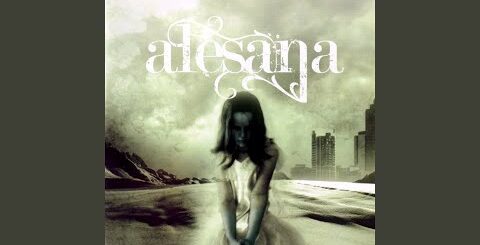
Alesana’s ‘Tilting The Hourglass’ plunges listeners into a deeply emotional and existential odyssey, set against a backdrop of soaring melodies and a tense narrative. This song, lifted from their 2008 album ‘Where Myth Fades to Legend,’ delves into the core of human struggle, juxtaposing the inevitability of fate against the burning desire to make one’s mark upon the world.
At first glance, ‘Tilting The Hourglass’ may seem like another entry into the post-hardcore scene’s archive of angst and desperation, but a closer analysis reveals a multi-layered tale that speaks volumes about heroism, sacrifice, and the search for meaning within our fleeting existence.
The Weight of Fate and the Thirst for Significance
From the song’s opening line, ‘You take my breath away…’, Alesana pushes us into a narrative gripped by loss and the pangs of desire — a motif exploited by countless poets. It’s not just about a lover’s absence, but also about the greater existential angst resulting from one’s dreams and hopes being confined by forces beyond control.
Fate, as depicted in the song, is a cruel and indifferent jailer. Our protagonist is a figure who, despite his earthly chains, yearns to transcend his corporeal prison; his eyes must close so he can envision the face of his beloved and, metaphorically, the face of his destiny.
Diving Deep into ‘Emptiness’: The Plight of the Unheard Hero
Emptiness here is not just an absence of joy, but a sinking void where hope fades into oblivion. The hero’s plea for the cessation of life is a chilling reminder of the iron price that comes with carrying the weight of heroism. In this outcry, there is a profound connection between the weariness of the soul and the resolute determination to fight.
Moreover, the juxtaposition of ‘iron eyes’ with the tale of heroes paints a visceral image of a warrior forged in the fires of tribulation. These ‘iron eyes’ witness the cost of bravery; in their unwavering gaze, we see the blood paid for every inch of ground won in the grander war against obscurity.
The ‘Ax’ Factor: Unveiling the Hidden Meaning
The narrator’s declaration, ‘I am the ax,’ is symbolic of a tool — an instrument of change that can both clear the path and deliver the final blow. It’s a dual-sided metaphor that reveals the hidden meaning of the song; to face the end without fear, one must become an active agent in their own fate, shaping it with the decisive force of an ax.
This personification of the ax also hints at a stoic acceptance of the role and responsibilities fate bestows. It is a fierce acknowledgement that the protagonist has a grander purpose — one that eclipses personal sorrow and necessitates the courage to fight when no one else will.
Will You Forget Me? – The Echo of Legacy in ‘Tilting The Hourglass’
The fragile nature of memory and the yearning to be remembered posthumously haunts the narrative. As the ‘pen wears its steady course across the page,’ it symbolizes the relentless march of time and the history that records both our deeds and our existence.
Our protagonist is achingly aware of his mortality and, in the face of the ‘darkest night,’ he focuses on the need to prevail, to make his life resonate in the symphony of human history. The preservation of one’s legacy becomes as vital as the air we breathe.
Steel Amidst the Shadows: The Climactic Struggle for Purpose
Much like the final act of an epic saga, ‘Tilting The Hourglass’ crescendos with ‘the pitch of steel’ and the rising action of an inevitable confrontation. This sense of an approaching denouement symbolizes the ultimate battle every individual must face: the struggle to affirm one’s purpose against the enveloping darkness.
In the tempest of steel, the fearless rise. The protagonist vows to destroy opposition, parading an ethos of resistance and self-determination. Such lines do not just speak to a personal rebellion, but to a universal human impulse to stand and fight against the oncoming tide of annihilation.