
Then Came the Last Days of May by Blue Öyster Cult Lyrics Meaning – Unpacking a Harrowing Tale Beneath the Desert Sun
- Music Video
- Lyrics
-
Song Meaning
- The Desert Motif: A Stage for Desperation and Dreams
- A Story of Innocence Lost and the Lure of Easy Money
- Ambush Under the Open Sky: Dissecting the Song’s Climactic Twist
- The Enigmatic Question: How Deep Must One Dive to Find the Hidden Meaning?
- Echoes of a Desperate Refrain: Memorable Lines that Haunt the Listener
Lyrics
And a little bit of water goes a long way, ’cause it’s hot
Three good buddies were laughin’ and smoking
In the back of a rented Ford
They couldn’t know they weren’t going far
Each one with the money in his pocket
Could go out and buy himself a brand new car
But they all held the money they had
Money they hoped would take them very far
Sky’s bright, the traffic light, now and then a truck
And they hadn’t seen a cop around all day (what luck)
They brought everything they needed
Bags and scales to weigh the stuff
The driver said the border’s just over the bluff
It wasn’t until the car suddenly stopped
In the middle of a cold and barren place
And the other guy turned and spilled
Three boys blood, did they know a trap had been laid?
They’re okay the last days of May, but I’ll be breathin’ dry air
I’m leaving soon, the others are already there (all there)
You wouldn’t be interested in coming along, instead of staying here?
It’s said the West is nice this time of year, that’s what they say
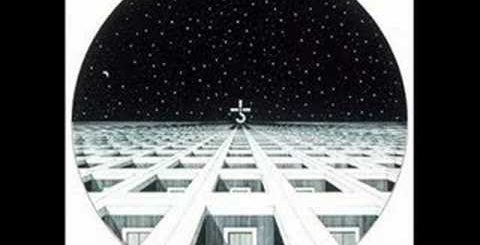
Blue Öyster Cult, a band synonymous with complex compositions and profound storytelling, often blurs the line between reality and fiction. ‘Then Came the Last Days of May’ from their eponymous debut album released in 1972, exemplifies this intricate weaving of narrative and melody.
At first glance, the song’s title evokes a sense of an impending conclusion, a finale marked by the twilight of spring. However, as we delve into the lyrics, we unearth a chilling narrative of ambition, betrayal, and desolation beneath the unrelenting desert sun.
The Desert Motif: A Stage for Desperation and Dreams
The song paints an environment where the ‘sun is just a dot,’ throwing into relief the harsh and unforgiving desert landscape that becomes the setting for the unfolding drama. This motif is a mainstay in literary and cinematic tradition, symbolizing at once boundlessness and entrapment, serving as a backdrop for the characters’ aspirations.
The stark simplicity of the scenery complements the narrative. Here, the sun scorches, water is a precious commodity, and every action is a gamble against nature’s indifference. It’s a scene that captures the timeless struggle between humanity and the vast emptiness of the wild.
A Story of Innocence Lost and the Lure of Easy Money
The song’s protagonists are three ‘good buddies,’ naive and exuberant, embarking on a journey with dreams of quick wealth. As they drive through the desert, their laughter masks the looming shadow of greed. It’s a cautionary tale about the consequences of the blind pursuit of riches—a theme as timely now as it was in 1972.
This narrative arc taps into a universal truth about the human condition: the constant yearning for something more and the lengths to which people will go to achieve it. The characters disregard the risks, entrusting their lives to the false promise of easy gains.
Ambush Under the Open Sky: Dissecting the Song’s Climactic Twist
The desert tranquility is shattered when ‘the other guy turned and spilled / Three boys blood.’ It’s a denouement as abrupt as it is violent, painting a grim portrait of betrayal that transforms the song from a tale of adventure to a survival narrative. The impact of this twist is amplified by its contrast with the light-hearted beginning.
This betrayal speaks to the undercurrent of danger that courses through the pursuit of the American Dream. The song subtly subverts the listener’s expectations, as Blue Öyster Cult embraces the storytelling power of rock music, using it as a medium to relay a complex human story.
The Enigmatic Question: How Deep Must One Dive to Find the Hidden Meaning?
Beneath its literal interpretation lies a reservoir of deeper meaning. The lyrics hint at broader existential quandaries: are the ‘last days of May’ symbolic of the end of innocence, or the final moments before entering a new, perhaps darker, chapter? The song provokes thought about the precipices we navigate between ambition and moral decay.
The allure of the West ‘nice this time of year’ is riddled with ambiguity—is it a call to join a paradise lost, or a siren song leading one toward their own downfall? The song’s cryptic nature invites multiple interpretations, adding to its enduring allure.
Echoes of a Desperate Refrain: Memorable Lines that Haunt the Listener
‘Parched land no desert sand’ and ‘the traffic light, now and then a truck’ are lines that linger, epitomizing the song’s narrative starkness and its ability to paint vivid images with minimal brush strokes. They resonate with the tales of aspiration and the fickle fortunes of those who dare to gamble with fate.
Each phrase is meticulously chosen, creating a synergy of language and sound that Blue Öyster Cult masters. The contemplative melody that accompanies the lyrics etches the story deep into memory, ensuring that ‘Then Came the Last Days of May’ remains a powerful sonic experience.






A wonderful song, which serious meaning I did not know until later (I live in Sweden, could not hear every word on live recording). May 28 now. I listen to this atmospheric song always this time a year 😀