The Banana Boat Song by Harry Belafonte Lyrics Meaning – Unpeeling the Layers of Calypso
- Music Video
- Lyrics
-
Song Meaning
- Unloading the ‘Tally Man’: The Song’s Hidden Economic Commentary
- Between Sunup and Sundown: A Worker’s Yearning for Freedom
- A Carousel of Calypso: Rediscovering the Joy in the Grievous
- From the Treetops to Pop Culture: How the Song Climbed its Way to Iconic Status
- Lifting the Bunch: The Resilience Encoded in Memorable Lines
Lyrics
Daylight come and me wan’ go home
Day, me say day, me say day, me say day
Me say day, me say day-o
Daylight come and me wan’ go home
Work all night on a drink of rum
Daylight come and me wan’ go home
Stack banana ’til de mornin’ come
Daylight come and me wan’ go home
Come, mister tally man, tally me banana
Daylight come and me wan’ go home
Come, mister tally man, tally me banana
Daylight come and me wan’ go home
Lift six foot, seven foot, eight foot bunch
Daylight come and me wan’ go home
Six foot, seven foot, eight foot bunch
Daylight come and me wan’ go home
Day, me say day-o
Daylight come and me wan’ go home
Day, me say day, me say day, me say day
Daylight come and me wan’ go home
A beautiful bunch o’ ripe banana
Daylight come and me wan’ go home
Hide the deadly black tarantula
Daylight come and me wan’ go home
Lift six foot, seven foot, eight foot bunch
Daylight come and me wan’ go home
Six foot, seven foot, eight foot bunch
Daylight come and me wan’ go home
Day, me say day-o
Daylight come and me wan’ go home
Day, me say day, me say day, me say day
Daylight come and me wan’ go home
Come, mister tally man, tally me banana
Daylight come and me wan’ go home
Come, mister tally man, tally me banana
Daylight come and me wan’ go home
Day-o, day-o
Daylight come and me wan’ go home
Day, me say day, me say day, me say day
Me say day, me say day-o
Daylight come and me wan’ go home
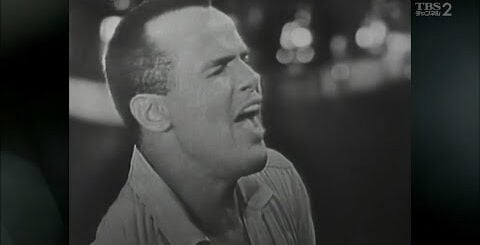
When Harry Belafonte belted out ‘Day-O’ in his 1956 hit ‘The Banana Boat Song’, he was doing more than just laying down a track that would become a signature calypso melody. He was distilling the essence of an era, the voice of a people, and the story behind the lyrics that resonate with themes of labor, longing, and liberation.
Anchored in the rhythmic heart of Jamaican folk music, the song serves as an infectious blend of Caribbean culture and social commentary, all wrapped in a tune as sweet as the ripe bananas it celebrates. Though often relegated to the realms of feel-good playlists and pop culture references, the depth of ‘The Banana Boat Song’ is ripe for exploration as each verse peels back the sun-kissed exterior to reveal a core of historical significance and human experience.
Unloading the ‘Tally Man’: The Song’s Hidden Economic Commentary
The repeated calls to the ‘tally man’ to ‘tally me banana’ are far from frivolous – it is the heartbeat of the song’s narrative. This phrase speaks to the grueling labor of the Jamaican fruit workers, beckoning an end to their night-long toil. As the daylight creeps in, the portside accounting of inventory becomes a metaphor for the exploitation and economic hardships faced by banana laborers who long for the shift’s end.
Belafonte’s portrayal is not only an anthem but also a subtle call to consciousness for listeners to acknowledge the labor behind the goods they enjoy. It’s a protest hidden in the music’s vivacity, the calypso rhythms acting as a spoonful of sugar to the stinging critique of colonial trade practices.
Between Sunup and Sundown: A Worker’s Yearning for Freedom
The iconic line ‘Daylight come and me wan’ go home’ echoes more than just a worker’s tiredness; it resonates with a profound desire for freedom. It’s a mantra for emancipation, a reminder of a time when the end of a laborious night did not only mean rest but the conclusion of servitude. Belafonte taps into the collective memory of Caribbean history, including slavery and indentured labor, embedding this longing within a catchy refrain.
By juxtaposing the all-night work ‘on a drink of rum’ with the breaking dawn, the songwriters cleverly craft a metaphor for endurance and the persistent struggle to maintain one’s agency in the face of oppression.
A Carousel of Calypso: Rediscovering the Joy in the Grievous
Despite its embedded messages of toil and subjugation, ‘The Banana Boat Song’ thrives on an undeniable zest for life. Calypso, the genre to which the track belongs, traditionally harnesses humor and levity to confront uncomfortable truths. Belafonte’s interpretation is no different, using an almost playful demeanor to package its somber narratives.
The very essence of calypso is the transformation of tribulation into something that can be danced to, and Belafonte excels at making the listener swing to the rhythm of resilience, ensuring that the song remains a staple for both its musicality and its capacity to elevate the spirit.
From the Treetops to Pop Culture: How the Song Climbed its Way to Iconic Status
It is one thing to create a song that holds deep meaning, but it’s another for it to rise to the realms of an icon. ‘The Banana Boat Song’ did just that, transcending its origins and finding itself etched into the bedrock of popular culture. Its inclusion in films, commercials, and even as a sports chant underscores the tune’s infectious nature.
The adaptability of the song, able to fit seamlessly into a variety of contexts, showcases Belafonte’s genius in crafting a song that carries its weight yet soars on the wings of mainstream appeal. This cultural cornerstone remains fresh and noteworthy, a testament to the durable power of storytelling through music.
Lifting the Bunch: The Resilience Encoded in Memorable Lines
The song’s imagery is as potent as its melodies, particularly in its depiction of the ‘six foot, seven foot, eight foot bunch’ of bananas. This serves as a poetic representation of the heavy burdens shouldered by the workers. The workers are tasked with carrying their physical and metaphorical loads with the strength and resilience that has come to define the spirit of Jamaica and the diasporic communities that share its lineage.
Belafonte’s lyrics offer a rallying cry for those weighed down by the struggles of daily life, crafting an emblem of tenacity that has resonated with generations. It’s a reminder that even in the darkest of work nights or personal adversities, the promise of daylight – and perhaps relief – is on the horizon.