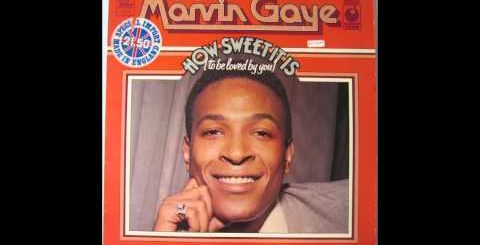
Wholy Holy by Marvin Gaye Lyrics Meaning – Unveiling the Call for Unity and Spiritual Revolution
Lyrics
Come together
Wholy holy
People we all gotta come together
‘Cause we need the strength, power, all the feeling
Wholy holy
Oh Lord, come on get together, one another
Wholy holy
Wholy holy
Wholy holy we should believe in one another (believe in Jesus)
Jesus left a long time ago, said he would return (believe it)
He left us a book to believe in
In it we’ve got a lot to learn
Oh, wholy holy (oh Lord)
We can conquer (yes we can) hate forever (oh Lord)
Wholy (wholy holy, wholy holy)
We can rock the world’s foundation (Yes we can)
Everybody together, together in a wholy
We’ll holler love love love across the nation (Oh, oh)
Wholy holy, all together in wholy
We proclaim love, our salvation
Ooh, ooh
Among the pantheon of soulful prophets, Marvin Gaye stands as an unassailable force—a sage who infused the sounds of the ’70s with prophetic wisdom. ‘Wholy Holy’ is a gem, a lesser-known track off the momentous album ‘What’s Going On’. Not merely a sequence of verses and choruses, this piece unfolds as a spiritual mandate, a call to a collective awakening for an era riddled with division.
A deeper dive into ‘Wholy Holy’ reveals layers of meanings far beyond its gospel-infused melody. It speaks of a universal message, a plea for unity, and a guide to a love that could elevate the human race. This is a song with a heartbeat pulsing with fervor for social and spiritual renewal. Let’s explore the song’s rich tapestry of themes that remain relevant even in today’s discordant world.
The Interplay of Gospel and Social Commentary
Marvin Gaye’s artistry knew no bounds, intertwining the sacred with the profane—the gospel-like calls within ‘Wholy Holy’ are no exception. It is a symphony of soul embracing the gospel tradition while catapulting its listeners into the throes of contemporary societal introspection. The influence of Gaye’s father, a preacher, is palpable; the lyrics don’t just beckon people to come together but to do so with the gravitas of a Sunday congregation responding to an impassioned sermon.
‘Wholy Holy’ is an oratorio of activism clothed in sanctity. Gaye transforms the church’s environs into a battleground for love and peace—not to be fought with fists, but with conviction. This coalescence of the secular and holy domains underscores the song’s powerful message that true social change encompasses both heart and spiritual fortitude.
The Echo of Civil Rights and the Quest for Harmony
Immersed in a time when civil rights clashes and Vietnam War protests made headlines, ‘Wholy Holy’ was Gaye’s harmonious response to discord. Within the song’s verses lies a resonant plea for unity, a declaration that we should lay down the weapons of hatred and divisiveness, and instead band together to build a more just society.
Gaye’s message is not one of idle hope but of active change—believing in one another and in the legacy left by figures like Jesus, whom Gaye references. This summoning of biblical narratives isn’t about religious dogma; it’s an appeal to the intrinsic values of love, forgiveness, and righteousness that transcend any singular creed or community.
Unpacking the Hidden Meanings of Divine Allegory
At its core, ‘Wholy Holy’ is rich with allegorical potency. When Gaye speaks of the ‘book to believe in,’ there is a direct allusion to the Bible, yet it is also metaphorical—pointing to a universal manual of human kinship and compassion that we have yet to master. This is not just literal scripture but the unwritten scripture of human decency that we all must imbibe and propagate.
The promise of Jesus’ return is a hopeful yearning for salvation, transcending spiritual confines to symbolize the emergence of enlightenment within society. Gaye calls for an understanding that surpasses religious confines, a divine wisdom that could heal a fracturing world—not so much waiting for a savior, but becoming the saviors of our collective soul.
The Soul-Stirring Line: Proclaiming ‘Love, Our Salvation’
One of the song’s most memorable lines, ‘We proclaim love, our salvation,’ serves as the thesis of ‘Wholy Holy.’ It is an avowal that amidst an era rife with societal strife and personal anguish, love—ubiquitous and pure—remains the ultimate salvific force. This is not a love confined to eros or philia, but agape—the boundless, unconditional love that every religion or belief system holds as sacrosanct.
For Gaye, the notion of love is potent and transformative; it’s not only a balm for the individual spirit but also the elixir that can heal a nation’s wounds. In a world fragmented by ideologies and identities, the declaration empowers a united front—suggesting that it is only through the advent of collective love that we may reach our spiritual and social zenith.
The Timeless Appeal of Marvin Gaye’s Call to Action
The call to ‘come together, one another’ is not a desperate plea; it is an empowering directive. On hearing ‘Wholy Holy,’ one is not lulled into passivity but is instead galvanized into action. Even decades later, the melodic exhortations of Marvin Gaye resonate with clarity and urgency, animating new generations with the belief that a better world isn’t just possible—it’s attainable.
Ultimately, ‘Wholy Holy’ is more than a song. It is a philosophy, a blueprint for social harmony and human dignity. It is Marvin Gaye’s legacy—a timeless symphony to the power of human connectedness, echoing the sentiment that when it comes to humanity’s wholeness and holiness, we’ve still got ‘a lot to learn.’