Funtime by Iggy Pop Lyrics Meaning – Unveiling the Hedonistic Mantra of the Punk Era
Lyrics
(Fun) hey baby we like your pants
All aboard for funtime
(Fun) hey, I feel lucky tonight
(Fun) I’m gonna get stoned and run around
All aboard for funtime
(Fun) last night I was down in the lab
(Fun) talkin’ to Dracula and his crew
All aboard for funtime
(Fun) I don’t need no heavy trips
(Fun) I just do what I want to do
All aboard for funtime
(We like fun)
(We like fun)
(We like fun)
(Fun) baby, baby, we like your lips
(Fun) baby, baby, we like your pants
All aboard for funtime
(Fun) everybody, we want in
(Fun) we want some, we want some
All aboard for funtime
(Fun) baby, baby, we like your lips
(Fun) baby, baby, we like your pants
All aboard for funtime
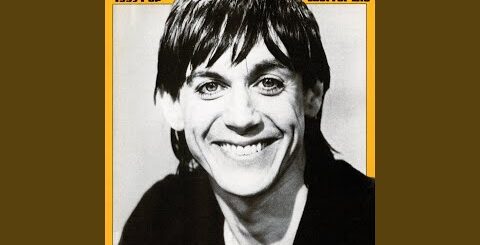
Iggy Pop, often hailed as the ‘Godfather of Punk’, delivered an anthem for the insatiable soul with his 1977 single ‘Funtime’. At first blush, the track may seem like a straightforward paean to nocturnal revelry, but beneath the surface throbs a complex tapestry of rebellion, freedom, and the pursuit of unapologetic pleasure that defined a generation.
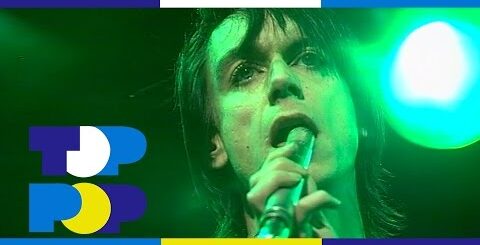
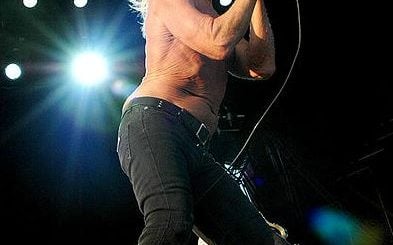
With a driving guitar riff and Iggy’s distinctive drawl, ‘Funtime’ manages to capture the anarchic spirit of its era. It’s both a soundtrack for the night’s escapades and a philosophical treatise on hedonism wrapped in a leather jacket. Let’s dive into the multiple layers hidden within the deceptively simple lyrics of this punk rock gem.
Strap In for the Wild Ride: ‘Funtime’s Electrifying Energy
From the get-go, ‘Funtime’ grabs the listener by the collar with its pulsing beat and frenetic delivery. The song doesn’t just invite you to listen—it compels you to participate. Iggy’s insistence, the repetitive cry for ‘fun’, serves as both a beckoning and a command; there’s no room for wallflowers here.
It’s the musical embodiment of adrenaline, capturing the urgency of those fleeting moments of youth and exhilaration one tries to freeze in time. Every ‘all aboard’ feels like a rallying cry, calling all misfits and night owls to join in a celebration of the here and now.
Decoding the Vampiric Vibes: Dracula’s Cameo in ‘Funtime’
The mention of ‘Dracula and his crew’ isn’t just a random inclusion. It’s Iggy dipping into the visceral imagery of the nocturnal, the outcast, the mythic creatures that live on the fringes. This line constructs an alternative society, night dwellers who have their own rituals and pleasures.
Interestingly, this monster mash reference is not out of place in the context of 1970s counterculture. It serves as a metaphor for the artist’s own place in the cultural landscape—a misfit among the mainstream, a creature of the night thriving in the brightness of his own creation.
Unencumbered Existence: The Rebellion Against ‘Heavy Trips’
When Iggy Pop sings ‘I don’t need no heavy trips’, it’s a declaration of liberation from societal expectations, burdens, and the drudgery of everyday life. In a time when rock ‘n’ roll was laden with grandiose concepts and psychedelic excess, Iggy opted for immediacy and raw simplicity.
His ethos, ‘I just do what I want to do’, is a rebellious shout against the notions of delayed gratification and the status quo. It’s punk rock distilled to its very essence—the individual’s right to self-determination and the pursuit of personal joy.
The Infectious Chorus: ‘All Aboard for Funtime’
The chorus of ‘Funtime’ is nothing short of an earworm. It’s easy to find oneself chanting along to the phrase ‘All aboard for funtime’, which acts as both an anchor and an intermission in the song’s energy. These words slice through the verses, creating a shared destination for all listeners.
This refrain not only punctuates the song’s rhythm but also serves as a metaphor for the collective journey of Iggy’s audience—boarding a metaphorical train that eschews routes and destinations for the thrill of the ride itself.
The Lingering Enigma: Unraveling The Deeper, Hidden Meaning
Beyond the celebration of nightlife and personal freedom, ‘Funtime’ can be interpreted as a subtle critique of consumer culture—the repetitive nature of the phrases ‘we like your lips’ and ‘we like your pants’ mimic advertising slogans, ad nauseam repetitions that seek to dictate our desires.
Iggy subverts these hollow incantations, repurposing them as anthems of choice and personal pleasure. It’s as if he’s suggesting that true ‘fun’ is not what’s sold to us, but what we personally endorse and embrace, defining fun on our own hedonistic terms rather than those handed down by external forces.