Oh Very Young by Cat Stevens Lyrics Meaning – The Echoes of Impermanence and Hope
Lyrics
You’re only dancin’ on this earth for a short while
And though your dreams may toss and turn you now
They will vanish away like your dads best jeans
Denim blue, faded up to the sky
And though you want them to last forever
You know they never will
You know they never will
And the patches make the goodbye harder still
Oh very young what will you leave us this time
There’ll never be a better chance to change your mind
And if you want this world to see a better day
Will you carry the words of love with you
Will you, will you ride the great white bird into heaven
And though you want to last forever
You know you never will
You know you never will
And the goodbye makes the journey harder still
Will you carry the words of love with you
Will you ride, oh, ooh
Oh very young, what will you leave us this time
You’re only dancin’ on this earth for a short while
Oh very young, what will you leave us this time
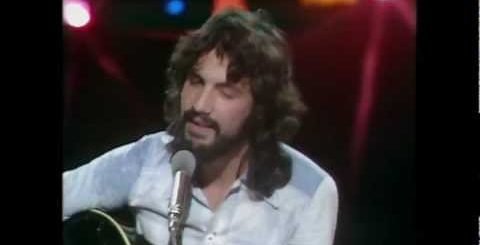
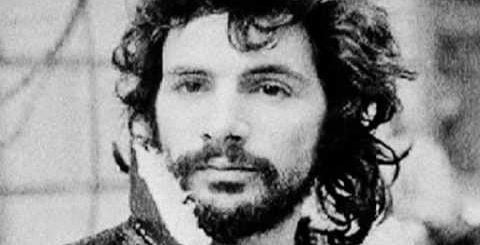
Cat Stevens, also known as Yusuf Islam following his conversion to Islam, has long been heralded as a poet of the people, a troubadour of truth in an ever-shifting world. His song ‘Oh Very Young’ stands as a solemn rumination on the fleeting nature of life and the lasting impact of our actions. With a gentle melody carrying weighty themes, Stevens deftly juxtaposes youthful naivety against an inherent understanding of life’s transient dance.
Released in 1974 on the album ‘Buddha and the Chocolate Box’, ‘Oh Very Young’ is a mesmerizing call to self-reflection, a lyrical beacon to guide the new generations through the tempest of time. It’s a track that has rippled across the decades, inviting interpretations that explore life’s ephemeral beauty and the enduring legacy of actions motivated by love.
The Timeless Waltz of Youth and Mortality
Within the opening lines, ‘Oh very young, what will you leave us this time,’ Stevens touches upon a universal truth that echoes through history: the brevity of our existence. The reference to ‘dancin’ on this earth for a short while’ evokes imagery of life as a dance—a delicate, perhaps even joyous, but ultimately fleeting performance. This song strikes chords of existentialism, asking not just what one will accomplish, but what tangible imprint one will leave on the world.
This isn’t simply a memento mori—a remembrance of death—but rather a gentle exhortation to recognize our limited time and make the most of it. Much like the ‘denim blue’ of ‘your dad’s best jeans’ fades with time, so too do the moments of our lives, challenging us to find permanence through ephemeral existence.
The Patches of Memories: Holding Onto What Matters
Stevens crafts a vivid metaphor with ‘the patches make the goodbye harder still,’ a line that conveys the way we attempt to preserve what we hold dear. Patches on jeans are akin to the memories and experiences we cling to in the hope of warding off the inevitability of change and loss. There’s a bittersweet recognition in the song—that every attempt to mend and sustain is yet another reminder of the impermanence we face.
This could be seen as a message to carry forth the wisdom of the past without being burdened by it. There is an implicit understanding that while goodbyes are made more difficult by the emotional ‘patches’ we add to our lives, these patches are also testaments to the love and connection that give our brief existence depth and meaning.
Seizing the Chance for a Better Tomorrow
The song’s call to action, ‘There’ll never be a better chance to change your mind,’ appeals to the listener to seize the present to foster a brighter future. Stevens doesn’t dwell solely on the philosophical; he recognizes the potential for impactful change inherent in all of us. The reference to ‘change your mind’ can be interpreted as an invitation to alter one’s course—to adapt beliefs and actions in favor of a more loving and positive influence on the world.
This idea that we carry the potential for progress within us is empowering. It’s a reminder to the ‘very young,’ to all generations, that although we cannot last forever, we possess the now, the moment in which we can alter the trajectory, not only of our lives but of humanity at large.
The Metaphor of the Great White Bird: Aspirations of Ascendence
One of the most evocative images in ‘Oh Very Young’ is the query: ‘Will you ride the great white bird into heaven?’ Symbolizing purity, peace, and the spiritual journey, this ‘great white bird’ serves as a powerful allegory for the aspirations we harbor. Stevens intertwines earthly experiences with metaphysical queries, encouraging listeners to transcend worldly concerns and aspire towards higher ideals.
This line speaks to the soul’s journey beyond the corporeal bounds of life. Yet, it also challenges us: will we live our lives in such a way that our passage into the unknown is not just an end, but a continuation of the love and positive energies we’ve nurtured? Are we, as Stevens might suggest, ‘carrier pigeons’ of virtues that can soar beyond our physical limitations?
Memorable Lines that Anchor Life’s True Pursuits
‘Will you carry the words of love with you’ repeats throughout the song, punctuating the narrative with its profound simplicity. This recurring question serves as both an anchor and a compass. It’s an anchor in its straightforwardness—encouraging love as a foundation—and a compass in its directional guidance—pointing towards a path where love is both the journey and destination.
These simple yet profound words encapsulate the core of Stevens’s message. They remind us that in the midst of life’s uncertainties, our ability to love and be loved is the truest essence of what we leave behind. These are the words and sentiments that resonate, ripple out, and reverberate through the generations long after the dance has ended.