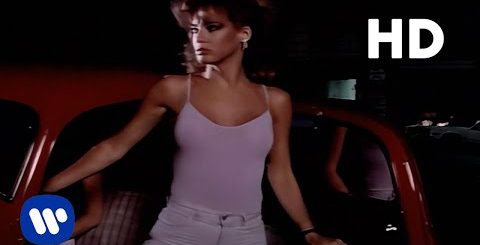
Cheap Sunglasses by ZZ Top Lyrics Meaning – Decoding the Cultural Iconography of Affordable Eyewear
Lyrics
The first thing you do when you get up out of bed
Is hit that streets a-runnin’ and try to beat the masses
And go get yourself some cheap sunglasses
Oh yeah, oh yeah, oh yeah
Spied a little thing and I followed her all night
In a funky fine Levis and her sweater’s kind of tight
She had a west coast strut that was as sweet as molasses
But what really knocked me out was her cheap sunglasses
Oh yeah, oh yeah, oh yeah
Now go out and get yourself some big black frames
With the glass so dark they won’t even know your name
And the choice is up to you cause they come in two classes:
Rhinestone shades or cheap sunglasses
Oh yeah, oh yeah, oh yeah
ZZ Top’s ‘Cheap Sunglasses’ is more than just a song about eyewear; it’s a resonant exploration of identity, culture, and the nuances of socio-economic status. Through its gritty guitar riffs and growling vocals, the band presents a piece that resonates with the rebel spirit and the American Dream.
But is there more to ‘Cheap Sunglasses’ than meets the eye? Beyond the surface narrative about rocking affordable shades lies an arena of deeper symbolism and social commentary, offering a nuanced look at the human condition under the veil of consumerism.
The Dawn of Discontent: Morning Light and Social Rumble
The song kicks off with a character facing the harsh light of day—a metaphor for the cold reality that comes after the comfort of darkness. The narrative isn’t just about the physical pain of sunlight; it’s about waking up to a society where the ‘masses’ are in a rat race, and the only reprieve is to blend in with ‘cheap sunglasses.’
This pursuit of anonymity through consumer goods suggests a critique of the class system. It posits that, despite the masses striving for individuality, they end up conforming to what’s affordable, hence the mass appeal of cheap sunglasses. The lyric serves as a stark reminder of the daily grind that many face, and the small solaces we seek to cope with it.
The Allure of Affordability: Seduction in Low-Cost Fashion
The song’s seductive component weaves through its verses as ZZ Top describes the allure of a woman in ‘funky fine Levis.’ The juxtaposition of her west coast strut—often associated with wealth and glamour—with inexpensive accessories highlights a tension between class aspirations and economic realities.
She becomes a symbol of attainable beauty and grounded sensuality, a direct contrast to the high fashion and unattainable standards often glorified in media. ‘Cheap sunglasses’ thus become an equalizer, making style and desirability accessible to all, regardless of socioeconomic status.
The Two Classes of Cool: Rhinestone vs. Cheap
The mention of ‘two classes’ of sunglasses—rhinestone and cheap—sings a satirical tune on the hierarchies within fashion itself. While rhinestone may imply a fake, ostentatious wealth, cheap sunglasses represent an authentic, unpretentious choice.
This line also serves as a microcosm for the broader social stratifications, where what we wear becomes a shorthand for wealth or lack thereof. ZZ Top cleverly tilts the scales, granting coolness not to the luxurious but to the practical, everyday choice of the working class.
The Hidden Meaning: Veiled Views and Darkness Within
With the urging ‘to get yourself some big black frames,’ ZZ Top touches on the desire to hide behind a façade. The darkness of the glasses obscures not just the eyes but the soul, hinting at a culture that values privacy and emotional reserve over vulnerability and open expression.
This perspective resonates with anyone who has ever wanted to go unnoticed or keep a part of themselves hidden from the world. ‘Cheap Sunglasses’ encapsulates the paradox of seeking connection in an age where surface appearances often dictate interactions.
Remember the Lines: Riffs That Stick Like Cheap Shades on a Sunny Day
The repeating mantra of ‘Oh yeah, oh yeah, oh yeah’ becomes more than a lyrical hook; it’s an assertion of affirmation to the ideologies presented throughout the song. It solidifies every line, every concept with a confident nod to the listeners, inviting them to agree with the sentiment being sung.
As the song burns into our consciousness with its catchy hooks and relentless groove, it’s the recognition of our own reflection in those ‘cheap sunglasses’—our shared experiences of seeking comfort in a world that’s often too bright, too real, that makes the tune timeless.